
Stripe's latest launches say fintech is moving toward programmable dollar balances for both workers and agents
Stripe's June 2026 announcements around AI agent payments, Deel's contractor wallet, and international business tooling suggest the next fintech layer is programmable money distribution rather than simple checkout.

Coinbase's June launches say stablecoin rails are becoming an agent-ready commerce stack
Coinbase's latest product sequence suggests crypto exchanges want to become the programmable financial rail for AI agents, publishers, merchants, and cross-border payouts all at once.
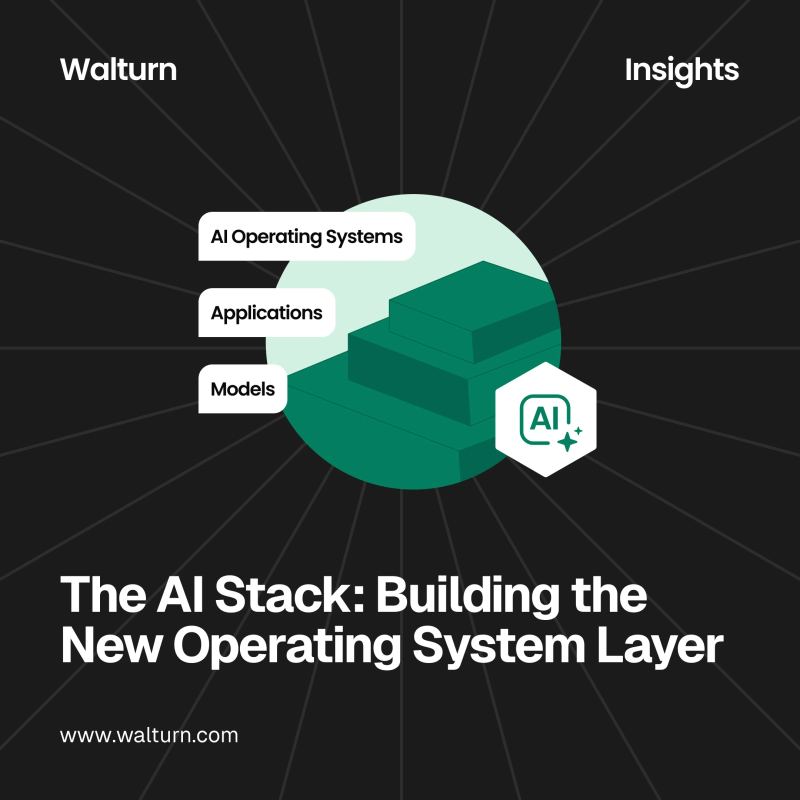
Google's I/O and Android 17 rollout say AI is becoming an operating-system workflow layer
Google's June 2026 platform updates show the AI race moving away from isolated assistant features and toward agent wiring that spans models, developer tools, and operating-system level task execution.

GitHub's Copilot app GA says agentic software work is leaving the chat pane and becoming a desktop workflow
GitHub's general availability release for the Copilot app shows software tooling is shifting from inline assistance toward full desktop workflows built around parallel agent sessions, worktrees, and integrated validation.

GitHub's new Copilot credit telemetry says enterprise software buyers now need usage truth, not AI mystique
GitHub's June 19 update adding per-user AI credit consumption to Copilot usage metrics shows that the software fight around coding agents is moving toward observability, budgeting, and governance.
Stripe and AWS are building agent paywalls at the network edge, and that could reset how publishers charge machines
Stripe's June 15 partnership with AWS on AI traffic monetization shows fintech infrastructure moving into a new role: pricing, authorizing, and settling machine-to-machine payments before requests even hit the application.

HPE and NVIDIA are rebuilding the AI factory around agents, governance, and confidential infrastructure
The latest HPE and NVIDIA updates show AI factories moving from GPU clusters for model training into integrated stacks for agent orchestration, sovereign deployment, and security-heavy enterprise workloads.
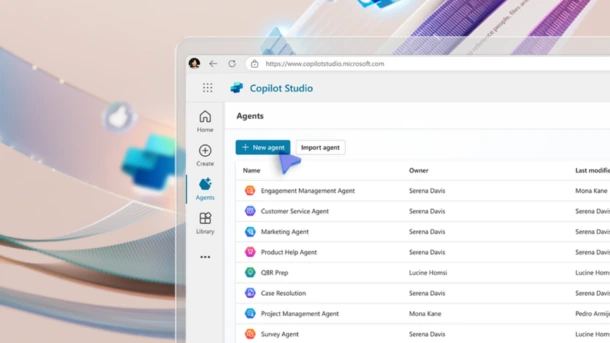
GitHub's latest Copilot rollout says software moats in the agent era may come from workspace control, not just model access
GitHub's June 2026 Copilot updates show the software battle moving toward isolated workspaces, discoverable agent resources, and native orchestration surfaces instead of treating models alone as the main product.

Microsoft's Surface RTX Spark Dev Box says AI hardware advantage is shifting toward local developer throughput, not just cloud GPU access
Microsoft's Build 2026 hardware push reframes the AI device race around sustained local development, unified memory, and agent-ready tooling rather than raw datacenter bragging rights alone.
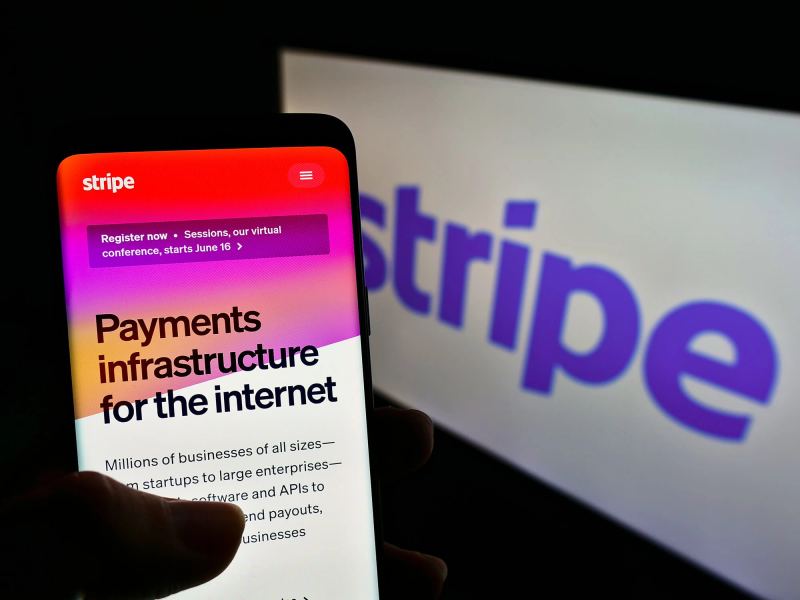
Stripe's latest launches say fintech wants to own AI-era monetization, not just checkout buttons
Stripe's June 2026 announcements across AWS, London, and Paris show the company extending beyond payment acceptance into the financial logic for AI agents, usage billing, fraud control, and global merchant expansion.

Coinbase's June product wave says crypto exchanges want to become full financial operating systems, not just trading venues
Coinbase's June 2026 launches show a widening ambition: bundle tokenized stocks, pre-IPO perpetuals, stablecoin payments, and agent-ready web payments into one account layer so crypto infrastructure becomes a broader financial interface.
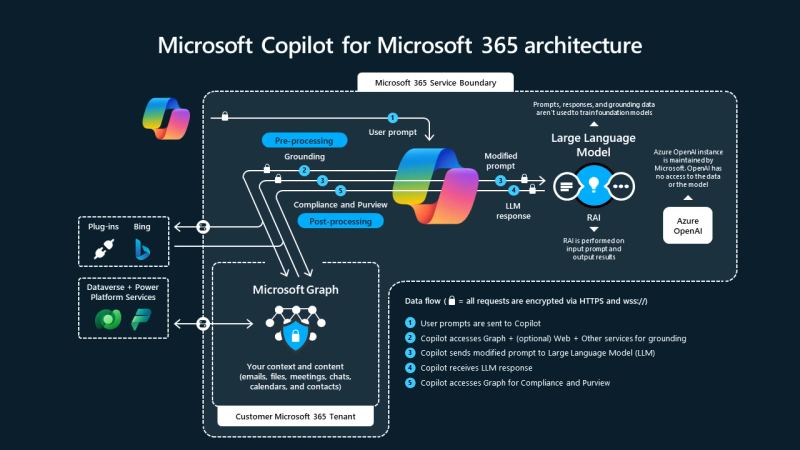
Microsoft's Web IQ says software moats in the agent era may come from retrieval discipline, not just model access
Microsoft's June 2026 Web IQ launch reframes one of the biggest software questions in AI: if models are increasingly interchangeable, then the real product edge may sit in how software finds, ranks, packages, and attributes live information for agents at production speed.
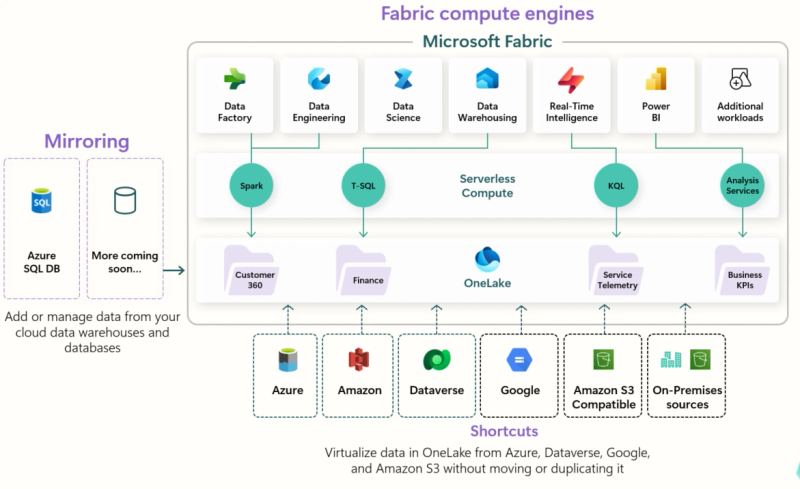
Microsoft's Azure Cobalt 200 preview says AI hardware advantage is moving into cloud fabric design, not just accelerator branding
Microsoft's June 2, 2026 Cobalt 200 preview shows cloud hardware competition shifting toward custom Arm system design, memory behavior, storage throughput, and network efficiency for always-on agentic workloads.

Adyen's latest moves say fintech wants to be the translation layer between billing systems, AI commerce, and real-world payment execution
Adyen's June 11 and June 16, 2026 announcements show the company trying to solve a deeper merchant problem than checkout conversion: how to connect usage-based billing, catalog logic, checkout orchestration, and agent-led payments inside one financial operating stack.

Wing's Papa Johns partnership says autonomous delivery becomes real only when drones, packaging, and agentic ordering all work as one system
Wing's May 11, 2026 Papa Johns pilot and its broader 2026 expansion updates show that drone delivery is maturing from a flashy aviation demo into an operational stack that combines routing, packaging, app integration, and AI-assisted ordering.

Stripe's latest agent payments push says fintech's next moat is a permission layer for software buyers, not a prettier checkout page
Stripe's 2026 Sessions announcements and its 2025 annual update both point to the same thesis: payments in the agent era will be won by the company that can issue safe, revocable, scoped payment permissions to software, not just optimize conversion for humans.

Coinbase for Agents says crypto accounts want to become execution wallets for autonomous software, not just trading apps
Coinbase's June 11, 2026 launch of Coinbase for Agents and its June 16 system update point to a bigger crypto ambition: turn exchange accounts into permissioned operating wallets that software agents can use to trade, pay, and execute tasks under user-set limits.

ASUS and Qualcomm's QN10 say the AI PC race is moving from laptops into compact local-agent desktops
The ASUS Ascent QN10 and Qualcomm's Snapdragon X2 Elite messaging show that AI hardware competition is no longer confined to notebooks and data centers. Vendors now want compact desktops that can run local multimodal and agentic workloads with enough NPU headroom to make on-device AI feel like a workstation feature instead of a cloud dependency.

Mastercard's Agent Pay for Machines says card networks want to price machine commerce before AI agents commoditize payments
Mastercard's June 10 launch of Agent Pay for Machines shows the payments industry moving quickly to define trusted rails for software that buys and sells automatically. The strategic goal is not just faster transactions. It is to make the card network relevant inside machine-native commerce before AI agents turn payment execution into a background utility.
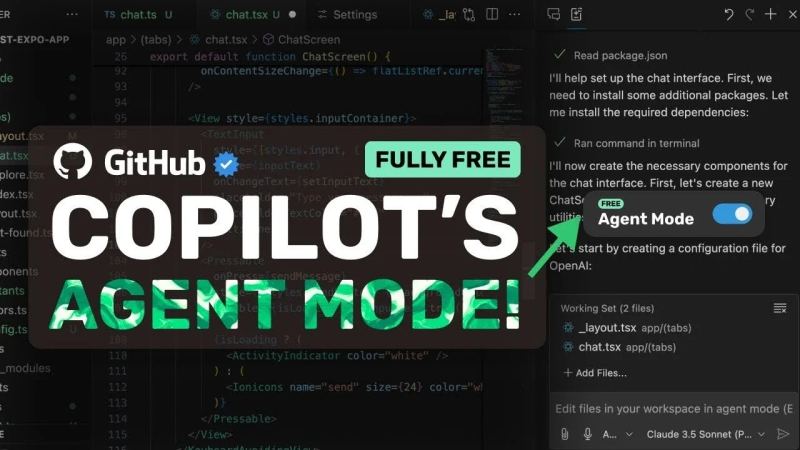
GitHub Copilot app GA says coding agents need a desktop control plane, not just an editor sidebar
GitHub's June 17 general release of the Copilot app turns coding agents into a managed desktop workflow with sessions, worktrees, pull requests, and validation loops. That suggests the software market is moving beyond chat-in-the-IDE toward a control plane for parallel AI development work.

Google's dual-chip TPU 8t and 8i strategy says AI hardware is splitting into specialized training and inference factories, not one general-purpose race
Google's 2026 TPU message argues that frontier AI infrastructure is no longer about one chip family doing everything; it is about separating pretraining and inference economics into distinct hardware lanes tied to agent-scale workloads and massive capital spending.
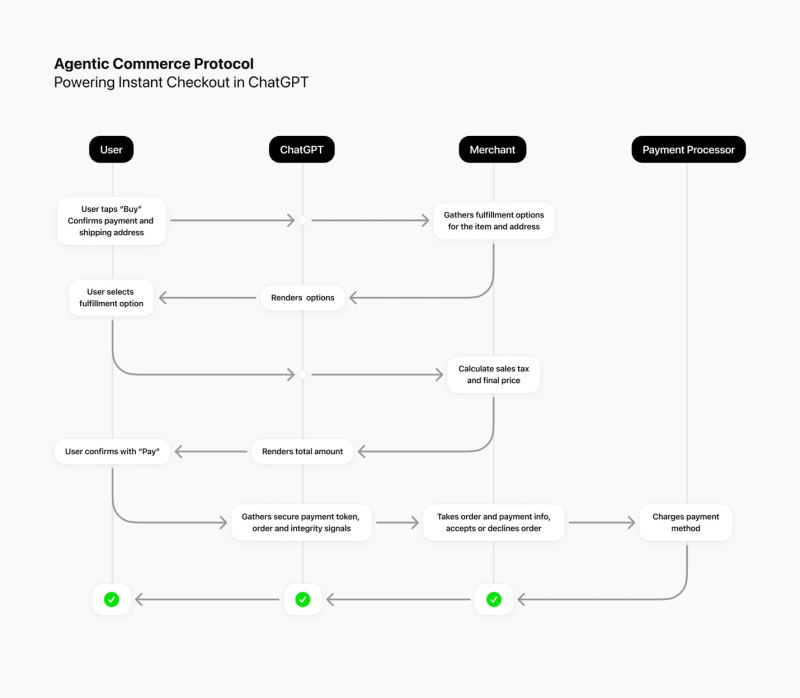
Visa's OpenAI partnership says agentic commerce will be won by payment networks that can verify and constrain AI, not just process cards
Visa's June 10, 2026 OpenAI partnership and Intelligent Commerce rollout argue that the next payments race is about giving AI agents trusted ways to discover, authorize, and complete transactions under real controls, not simply bolting chat onto checkout.

Google DeepMind's AI control roadmap says the next enterprise AI fight is securing agents like insiders, not treating them like harmless assistants
Google DeepMind's June 18, 2026 AI control push reframes agent safety as an operational security problem, arguing that increasingly capable internal agents need layered monitoring, least-privilege access, and response infrastructure before they become deeply embedded in company systems.
Vercel's eve launch says developer software is becoming a production framework for agents, not just a kit of model wrappers
Vercel's June 17, 2026 eve launch suggests the software stack around agents is moving from ad hoc orchestration code toward opinionated production frameworks with durable execution built in.