
Lattice's AMI deal says the cloud control stack is becoming hardware's new choke point
Lattice's planned acquisition of AMI matters because it reveals where value is accumulating in AI hardware: not only in accelerators, but in the low-level control, firmware, and manageability layer that keeps complex cloud systems secure and operational. As datacenters grow more modular and AI-heavy, control-plane tooling is becoming a strategic silicon story.

PayPal's latest quarter says agentic commerce is no longer a side bet inside fintech
PayPal's May 5 results matter less as a simple earnings print than as evidence that the company is still reorganizing around AI-mediated commerce. Between its recent Cymbio deal, AI checkout ties with Google, and a quarter that kept the commerce engine growing, PayPal looks increasingly like a payments network trying to make itself indispensable to the agent era.
Washington's new CAISI deals turn frontier AI testing into pre-release infrastructure
The May 5 CAISI agreements matter because they shift frontier-model evaluation from an ad hoc safety ritual into something closer to critical infrastructure. When Microsoft, Google DeepMind, and xAI agree to let government testers examine unreleased systems, the AI race stops being only about launch speed and starts becoming a contest over who can prove operational trust before deployment.

Linkerbot's funding target says humanoid robotics is being repriced around the hand
Linkerbot's May 4 funding story matters because it highlights where investors now see leverage inside humanoid robotics. Instead of betting only on full-body robot makers, capital is flowing toward the dexterous hand as a scarce, high-complexity subsystem that can shape commercial readiness across the whole category.
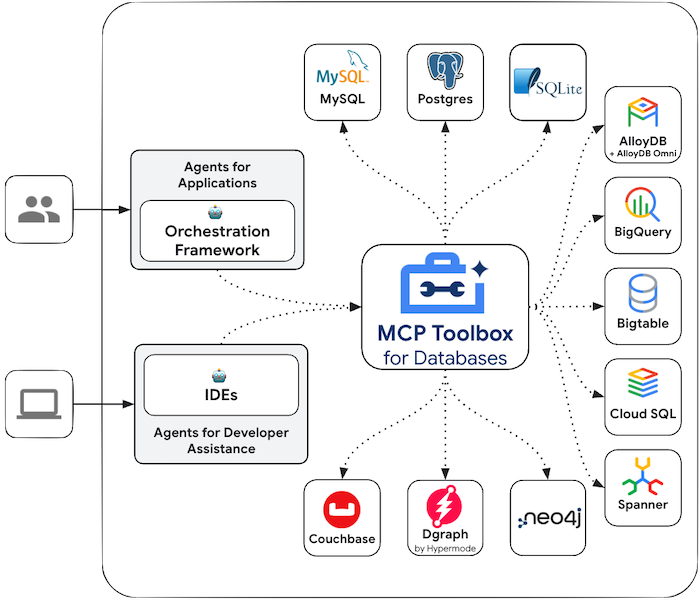
Google Cloud's MCP toolbox push says agent-native database tooling is moving into the platform layer
Google Cloud's latest push around MCP Toolbox for Databases matters because it turns a once-experimental agent connector into a platform story. When database access, schema discovery, and prebuilt agent tools move into mainstream developer workflows, software teams start treating agent integration less like a hack and more like standard infrastructure.
IBM's Think 2026 launch says the AI race is shifting from models to operating systems
IBM's May 5, 2026 Think announcements matter because they frame enterprise AI as an operating-model problem, not a demo problem. The center of gravity is moving toward agent orchestration, real-time data plumbing, governance, and sovereign control for workloads that have to survive audits, outages, and board-level scrutiny.
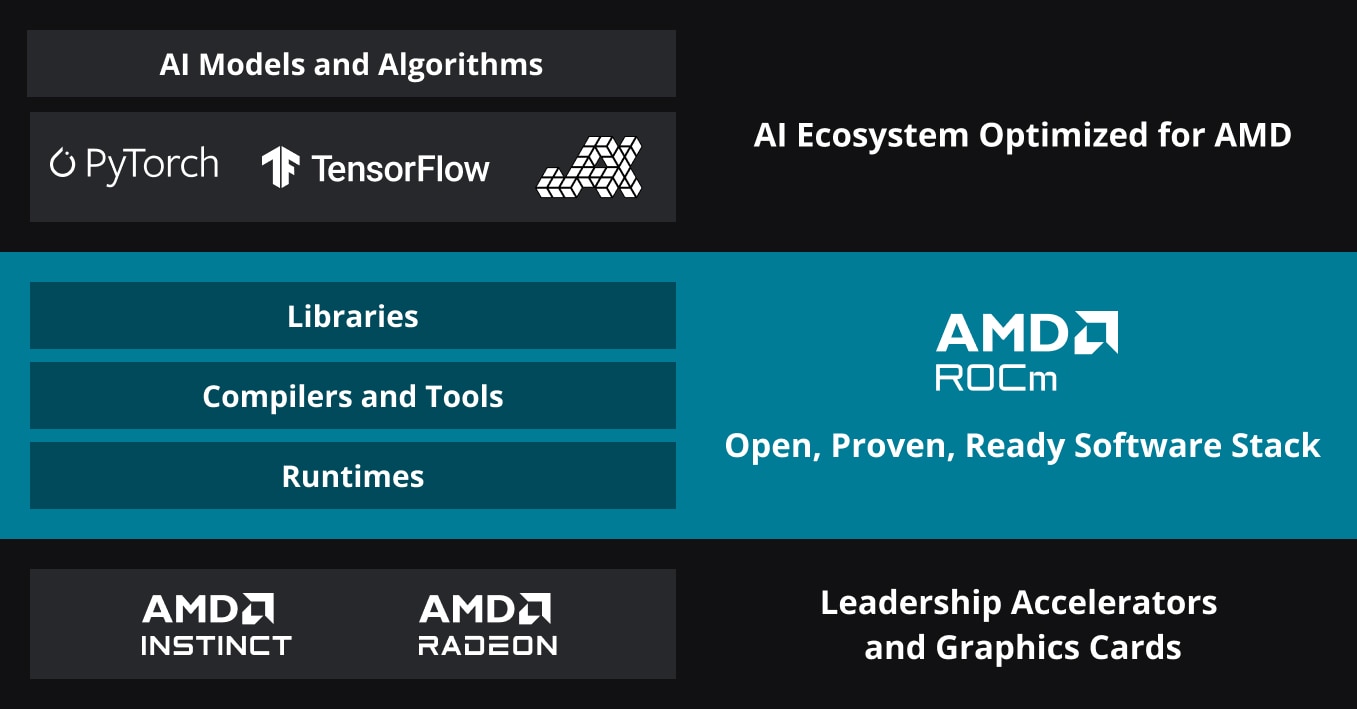
AMD's July AI showcase is becoming a hardware ecosystem referendum
AMD's decision to frame July 2026 as a major Advancing AI reveal is not just event marketing. It is an attempt to prove that AMD can sell a complete AI systems story, spanning accelerators, racks, networking, software, and partner adoption, rather than just offer an alternative chip line beside Nvidia.

AEVEX's IPO shows defense-drone scale is becoming a public-markets story
AEVEX Aerospace's IPO filing matters because it reframes military drone and autonomy suppliers as investable operating platforms rather than niche defense subcontractors. As demand for ISR, attritable systems, and autonomous mission tooling rises, the drone market is starting to look large and durable enough for public-capital scrutiny.

Visa and Mastercard results say the payments core is still outgrowing the macro noise
Fresh quarterly results from Visa and Mastercard matter for fintech because they show the underlying payments rails are still compounding across consumer spend, cross-border activity, and issuer demand even while headline markets stay fixated on tariffs, rates, and macro uncertainty. The implication is that the payments core remains structurally healthy enough to keep funding new fintech layers above it.

Qualcomm's latest quarter says its AI future depends on escaping the handset memory crunch
Qualcomm's April 29 results were less about one quarter of phone demand and more about strategic transition. The company is trying to use automotive, IoT, and a new hyperscaler data-center engagement to prove it can stay relevant as AI hardware spending shifts away from smartphones and toward infrastructure.
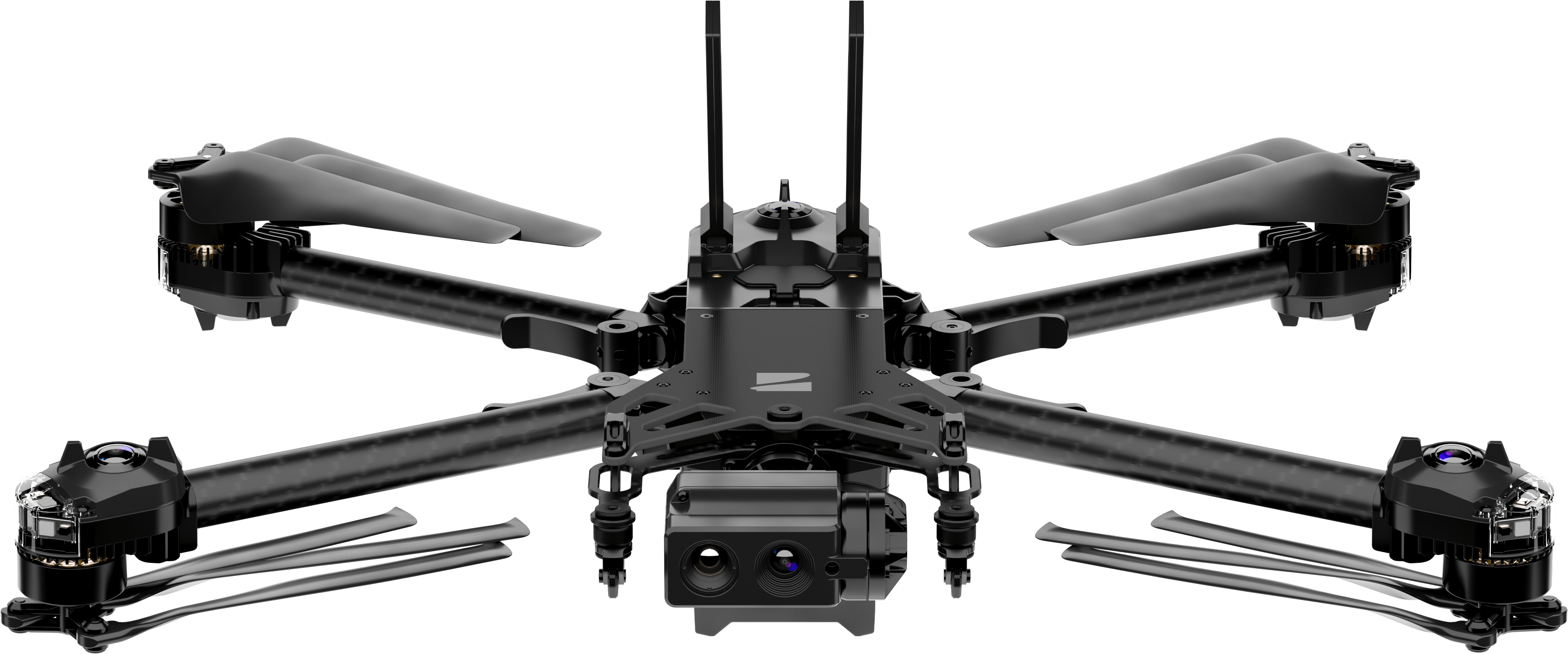
Skydio's $3.5 billion plan says drone autonomy is becoming a manufacturing and supply-chain race
Skydio's late-April announcements make a bigger point than one company expansion story. In drones and robotics, the contest is moving from clever demos to secure supply chains, domestic manufacturing depth, and the ability to scale autonomous systems for public safety, utilities, and defense.

Samsung's record quarter says the AI hardware race is now a memory supply story
Samsung's April 30 results were not just another earnings beat. They showed how AI infrastructure demand is pushing memory into the center of the hardware stack, tightening supply, lifting pricing, and rewarding whoever can ship advanced DRAM and HBM at scale.

Ethereum's 2026 roadmap is pushing the next DeFi cycle toward throughput, security, and UX
Ethereum Foundation updates from April and February show a quieter but more important crypto story than short-term token noise: the chain's next phase is about making DeFi more usable, more scalable, and less fragile at the protocol and ecosystem level.

Circle is turning stablecoins from crypto wrappers into treasury and currency infrastructure
Circle's April product moves and Jeremy Allaire's yuan-stablecoin comments point to a bigger fintech shift: stablecoins are being repositioned as mainstream money-moving rails for treasury teams, PSPs, and eventually national currency competition.

Big Tech's $700 billion AI spend is becoming a cloud revenue sorting machine
Alphabet's April 30 cloud breakout, Amazon's AWS results, and OpenAI's new Stargate update all point to the same shift: AI competition is no longer about demos alone, but about who can turn compute into durable revenue fastest.

Arbitrum is making MEV pricing dynamic, and that changes DeFi execution economics
Arbitrum's new dynamic reserve price for Timeboost is a subtle infrastructure change with outsized implications: it makes transaction-priority pricing more adaptive, more transparent by API, and more tightly linked to the actual economics of onchain competition.

Vercel's April breach turns plaintext environment variables into a software supply-chain lesson
Vercel's security bulletin is not just another cloud incident report. It is a sharp reminder that modern developer platforms are only as safe as their OAuth surface, secret defaults, and visibility into what counts as sensitive.
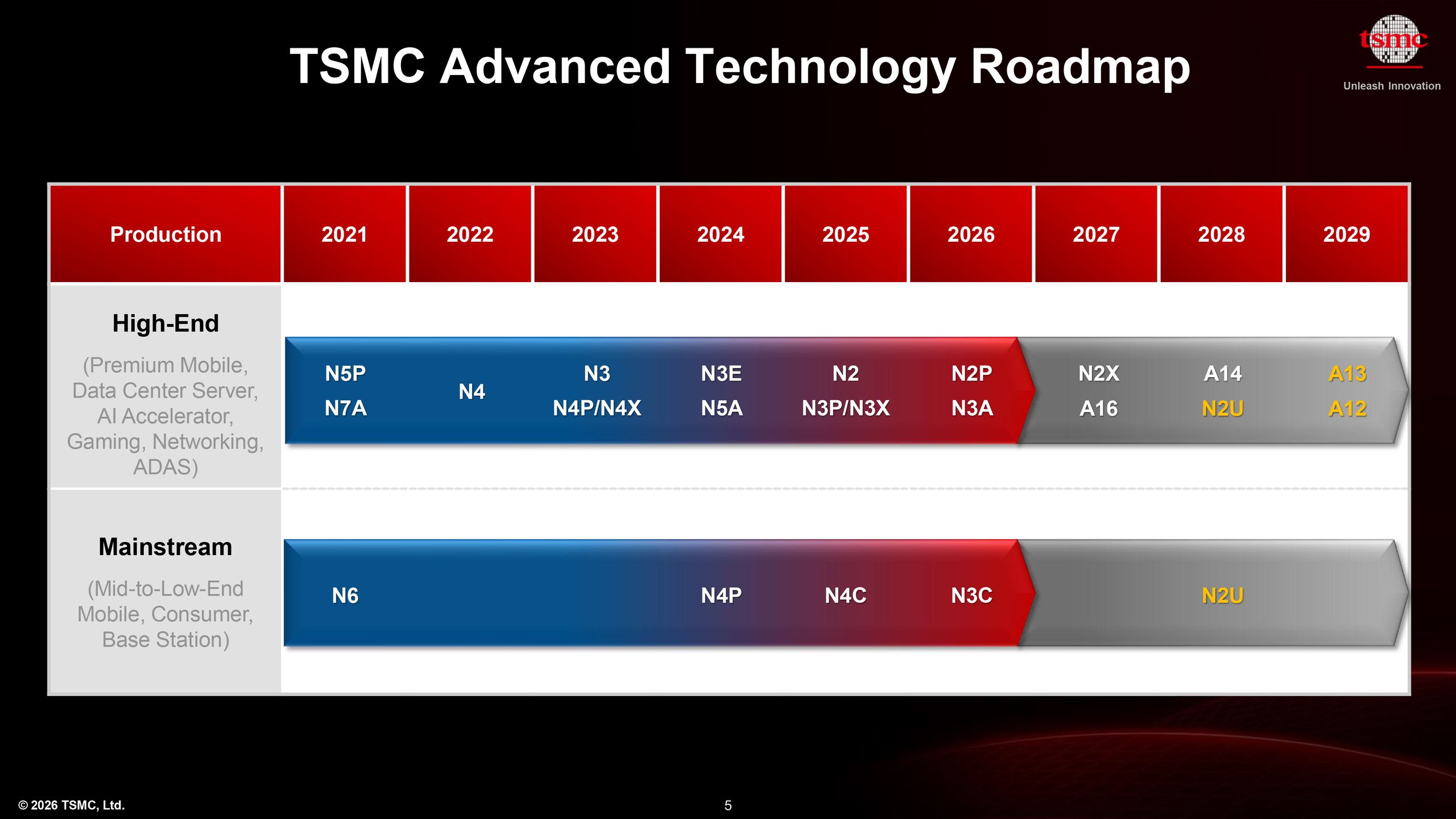
TSMC's 2029 roadmap splits chipmaking for AI servers and client silicon
TSMC is stretching its process roadmap through A14, A16, N2, and future nanosheet nodes, with AI servers and client devices pulling chip design in different directions.

AMD DevDay turns open AI hardware into a developer platform story
AMD's April DevDay and 2026 AI roadmap show a hardware strategy built around developers, ROCm, AI PCs, edge systems, and rack-scale accelerators.

Anthropic Mythos turns frontier AI into a cybersecurity governance problem
Claude Mythos Preview is not just a stronger model. Its restricted rollout shows that frontier AI capability is becoming a cybersecurity access-control problem.
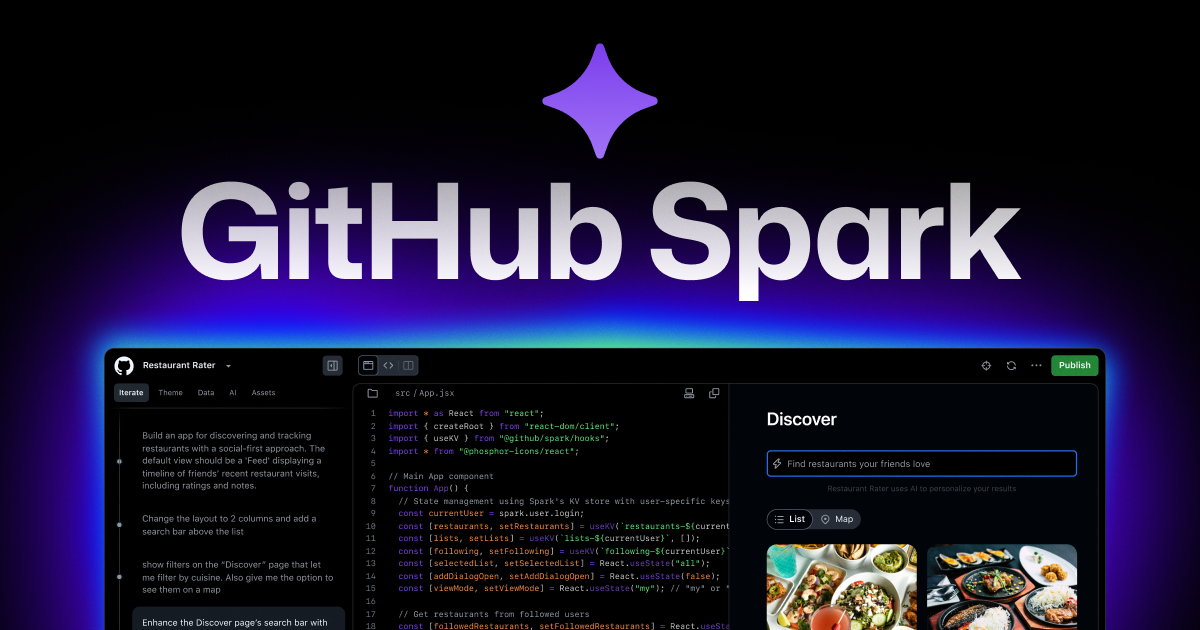
Software teams are moving from coding copilots to managed agent workspaces
The software stack is shifting from single-prompt code completion toward managed AI workspaces where agents build, test, review and ship under human supervision.