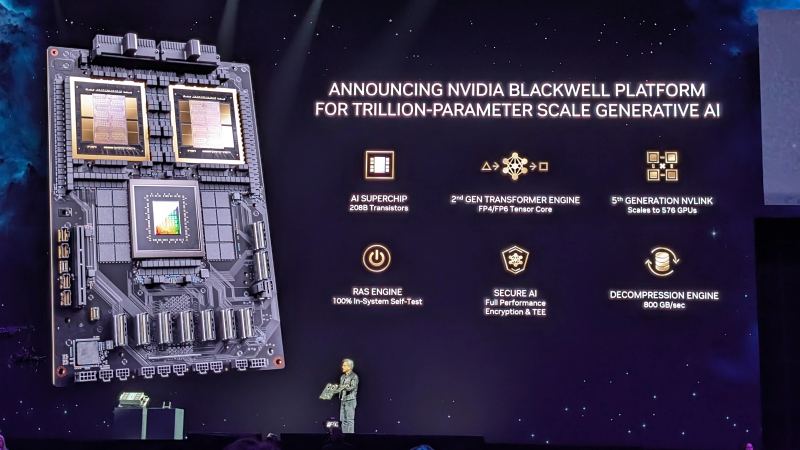
AMD's latest AI surge says the hardware battle is moving from single chips to full-stack deployment readiness
AMD's May 5, 2026 results and event positioning show an AI hardware market that is now being won through supply, systems, and deployment confidence as much as through accelerator specs.

Qualcomm's latest Snapdragon 6 and 4 chips show the next AI hardware fight is moving down into affordable phones
Qualcomm's May 7, 2026 Snapdragon 6 Gen 5 and 4 Gen 5 launches suggest AI-era hardware differentiation is expanding beyond flagship devices into the mass market where battery life, image quality, and responsiveness still decide adoption.

Adyen's Q1 update and Talon.One deal show fintech platforms racing toward real-time decisioning
Adyen says Q1 net revenue reached €620.8 million and links its Talon.One acquisition to a broader plan to merge payments, liquidity, and promotions into one real-time commerce stack.

Skydio's manufacturing push says the drone market is becoming an industrial-capacity race
Skydio's $3.5 billion domestic expansion plan and fresh Series F funding show that autonomous drone competition is shifting from clever demos toward scale, supply chains, and national industrial positioning.

CAISI's new frontier model deals put pre-release AI testing closer to deployment
NIST's Center for AI Standards and Innovation signed expanded agreements with Google DeepMind, Microsoft and xAI, turning government model evaluation into a more routine pre-deployment checkpoint for frontier systems.
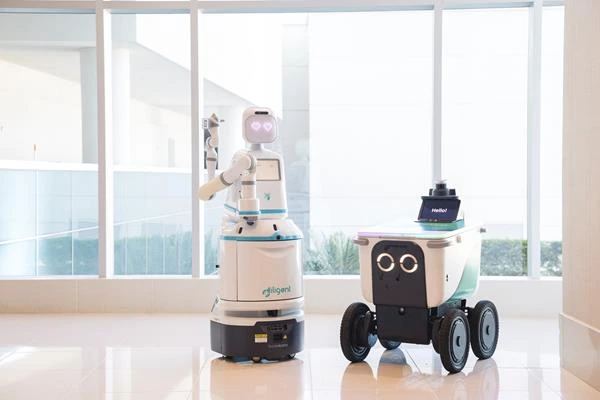
Serve Robotics' first quarter says physical AI is finally being measured in recurring revenue and city expansion, not just robot novelty
Serve Robotics' May 7, 2026 results put harder metrics behind delivery robotics: revenue tripled sequentially, the footprint widened, and the company used the Diligent Robotics acquisition to argue that service robots are becoming a real operating category rather than a perpetual pilot.
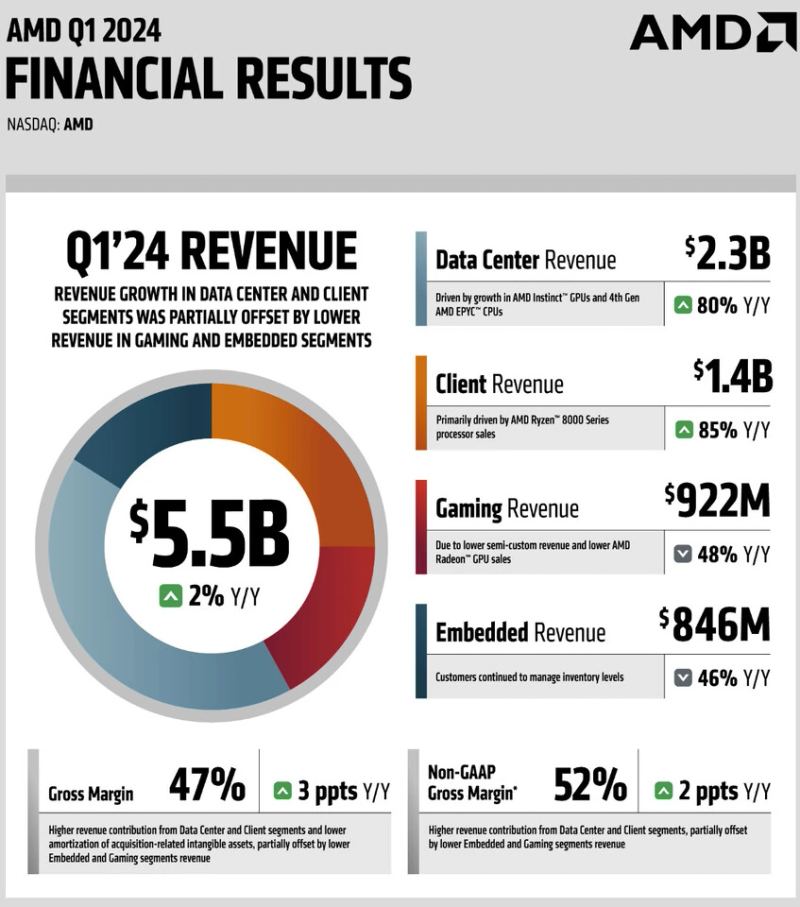
AMD's first quarter says AI hardware demand is real, but the next pricing shock may hit the broader PC market first
AMD's May 5, 2026 results show the upside of the AI buildout and the strain it creates elsewhere: data center revenue keeps accelerating, but rising memory and component costs are starting to squeeze the consumer side of the hardware market.

GPT-5.5 Instant becoming ChatGPT's default model says the next AI battleground is dependable everyday use, not just frontier demos
OpenAI's May 5, 2026 rollout of GPT-5.5 Instant as ChatGPT's default model shows where consumer AI competition is moving: toward better factuality, tighter answers, lower-latency personalization, and mass-market reliability instead of one-off benchmark theater.

Red Cat's quarter says drone-defense winners will be the companies that turn battlefield demand into manufacturing breadth
Red Cat reported first-quarter 2026 results on May 7 showing 849% revenue growth alongside new NATO and Asia-Pacific orders, a swarm-robotics acquisition, and expanded maritime manufacturing plans. The deeper takeaway is that the drone market is consolidating around companies that can combine combat iteration, autonomous control software, and production scale.
Teradata's Autonomous Knowledge Platform says enterprise software is being rebuilt for always-on agents, not dashboard users
Teradata unveiled its Autonomous Knowledge Platform on May 7, 2026 as a unified environment for AI, analytics, and enterprise data across cloud, on-premises, and hybrid deployments. The deeper software signal is that vendors now believe always-on agents need a different product shape than the dashboard-and-query systems built for human operators.
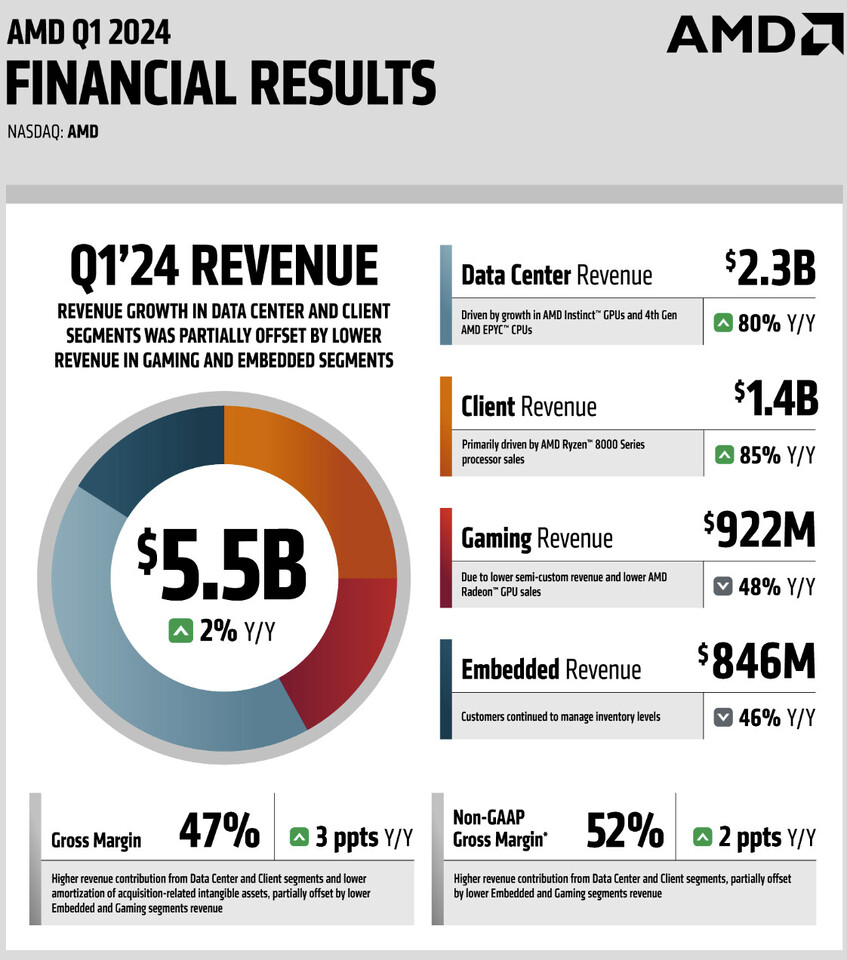
AMD's first-quarter results say the hardware winner in AI may be the vendor that can scale supply faster than demand is rational
AMD reported first-quarter 2026 results on May 5 showing $10.3 billion in revenue and Data Center as the main driver of growth. The larger hardware signal is that the AI infrastructure race is no longer just about peak chip launches. It is about who can translate demand into deliverable systems, supply visibility, and large-scale deployment confidence.
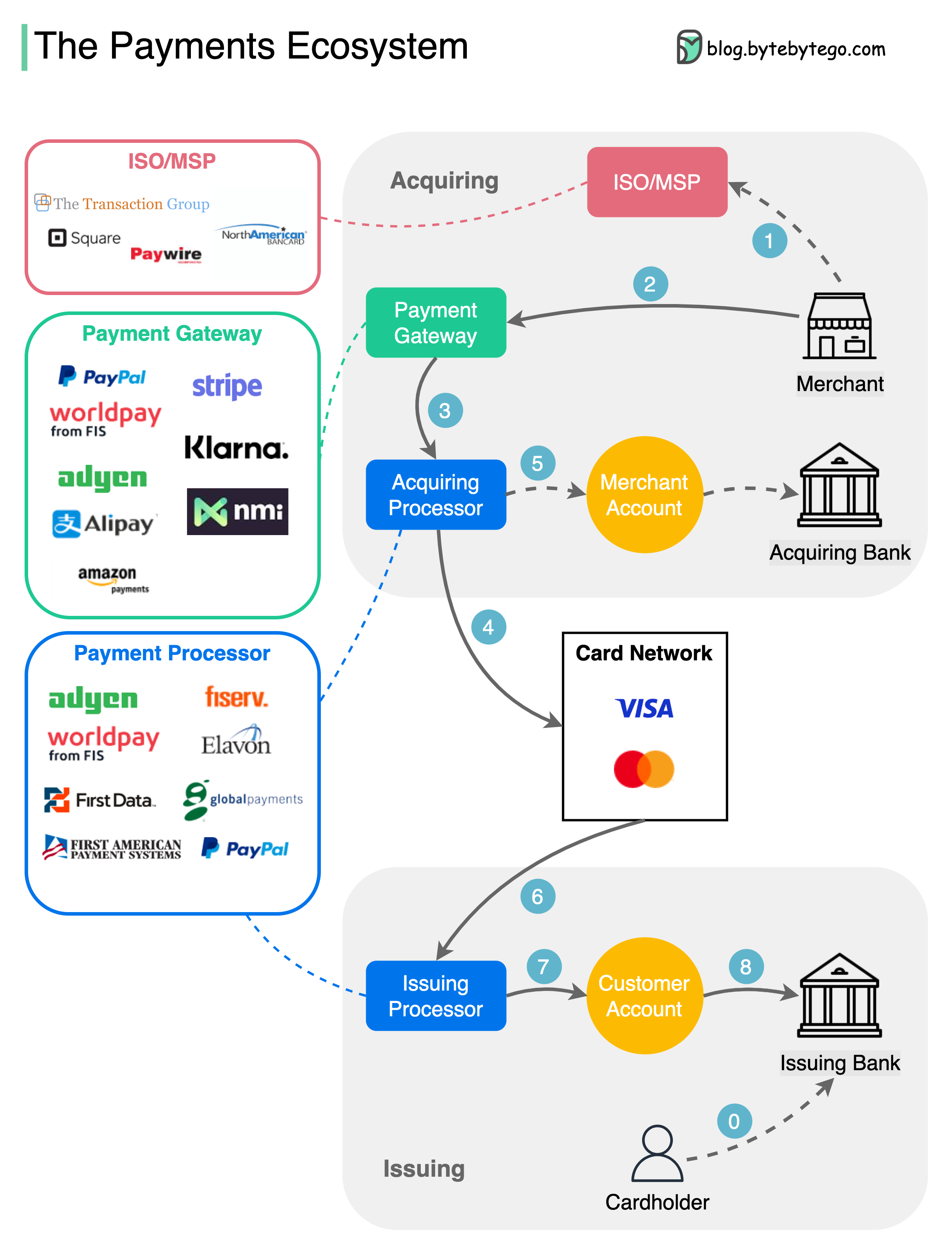
Adyen's latest payments push says fintech platforms want to control transaction logic before the card is even charged
Adyen's May 6, 2026 business update paired steady payments growth with two strategic signals: its Talon.One acquisition and its new Intelligent Money Movement product. Together they show fintech platforms trying to unify pricing, liquidity, payouts, and payment execution into one operating layer that can support increasingly automated commerce.
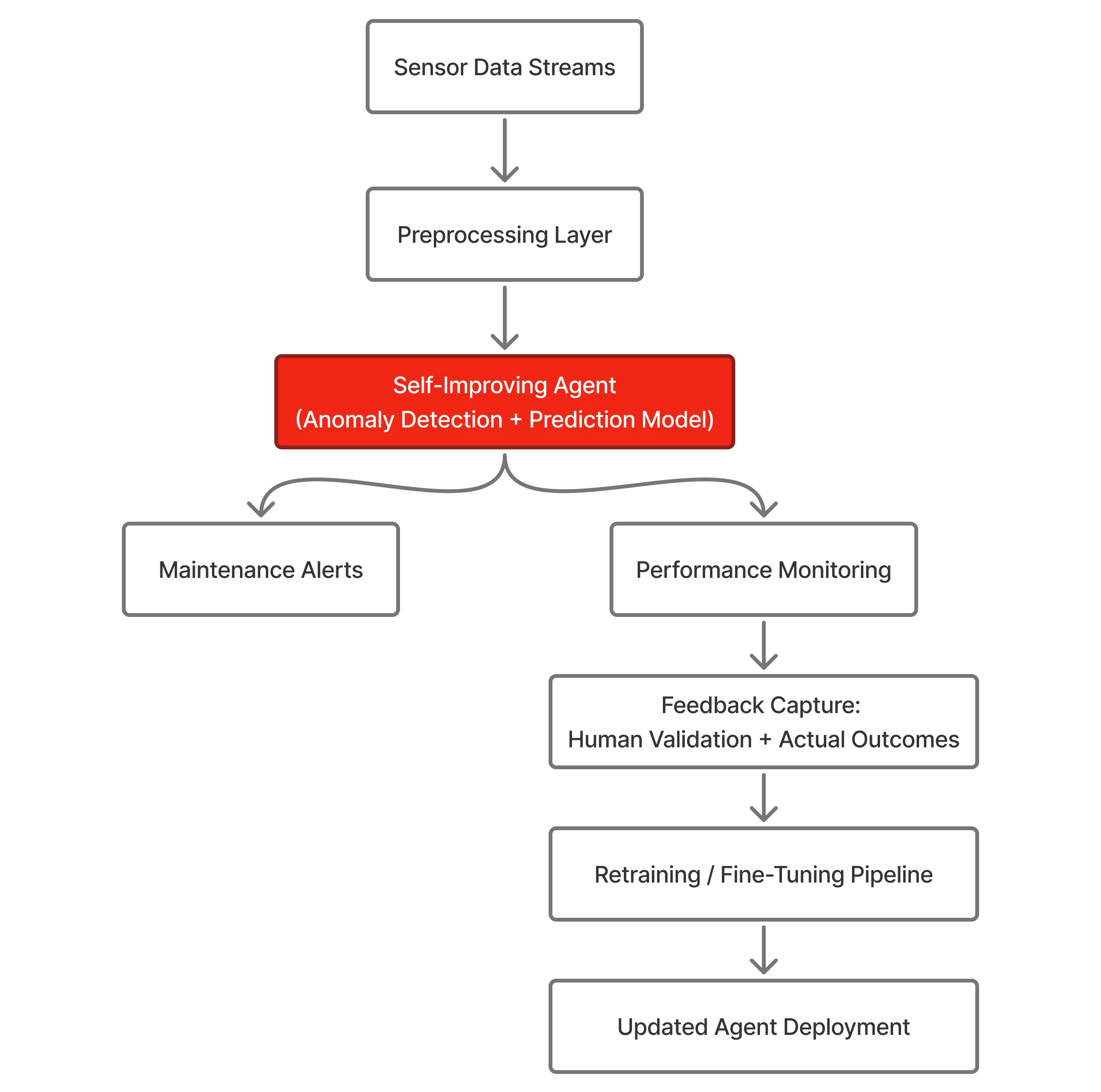
SoundHound's OASYS launch says enterprise AI is moving from prompt tools to self-improving agent operations
SoundHound AI announced OASYS on May 5, 2026 as a self-learning orchestrated agent platform that can create, evaluate, and improve conversational AI agents over time. The larger significance is that enterprise AI vendors are now competing on lifecycle automation and operational upkeep, not only on model quality or chatbot polish.

Remitly's record quarter says cross-border fintech can still grow fast after the easy digital migration
Remitly reported record first-quarter 2026 results on May 6, including 25% revenue growth, 37% send-volume growth, and a higher full-year outlook. The broader takeaway is that cross-border fintech is no longer just a digitization story; the strongest platforms are becoming scale businesses with better economics, richer customer segmentation, and room to expand beyond basic remittances.

Anthropic's new enterprise services firm says frontier AI vendors are moving downstream into implementation revenue
Anthropic said on May 4, 2026 that it is launching a new AI services company with Blackstone, Hellman & Friedman, and Goldman Sachs. The move matters because it shifts Anthropic from selling models and subscriptions into the harder, stickier layer of enterprise implementation, where deployment friction has slowed AI monetization across large organizations.

MongoDB’s latest release argues the real enterprise AI bottleneck is memory, retrieval, and context
MongoDB unveiled a new bundle of agent-focused capabilities on May 7, 2026, including automated embeddings, persistent agent memory, and faster operational performance in MongoDB 8.3. The launch matters because enterprise AI is increasingly being limited by data orchestration and context management rather than by the model layer alone.
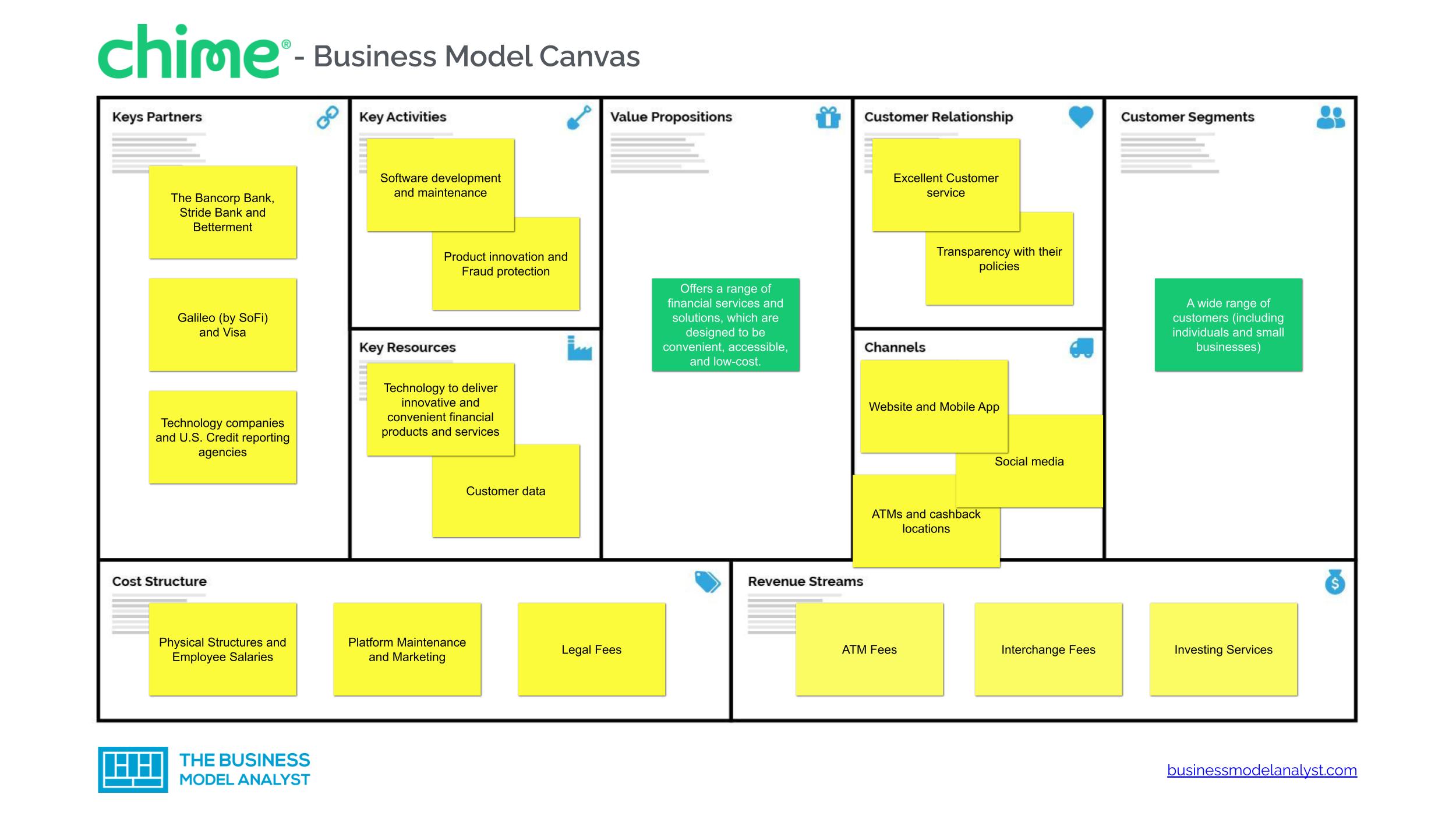
Chime’s first quarterly profit says consumer fintech is entering a tougher, more disciplined phase
Chime reported on May 6, 2026 that it delivered its first quarter of GAAP profitability as a public company, with revenue up 25% year over year. The result is more than an earnings beat: it suggests digital consumer finance is being repriced around durability, payment engagement, and platform leverage rather than pure user-growth narratives.

Hut 8's Beacon Point lease says AI demand is now financing gigawatt-scale compute campuses
Hut 8's May 6, 2026 Beacon Point announcement matters because it turns AI infrastructure demand into a multi-year physical buildout story rather than a short-cycle server procurement story. A 352 megawatt lease attached to a one-gigawatt campus shows how AI hardware competition is increasingly decided at the level of power, land, cooling, and delivery architecture.
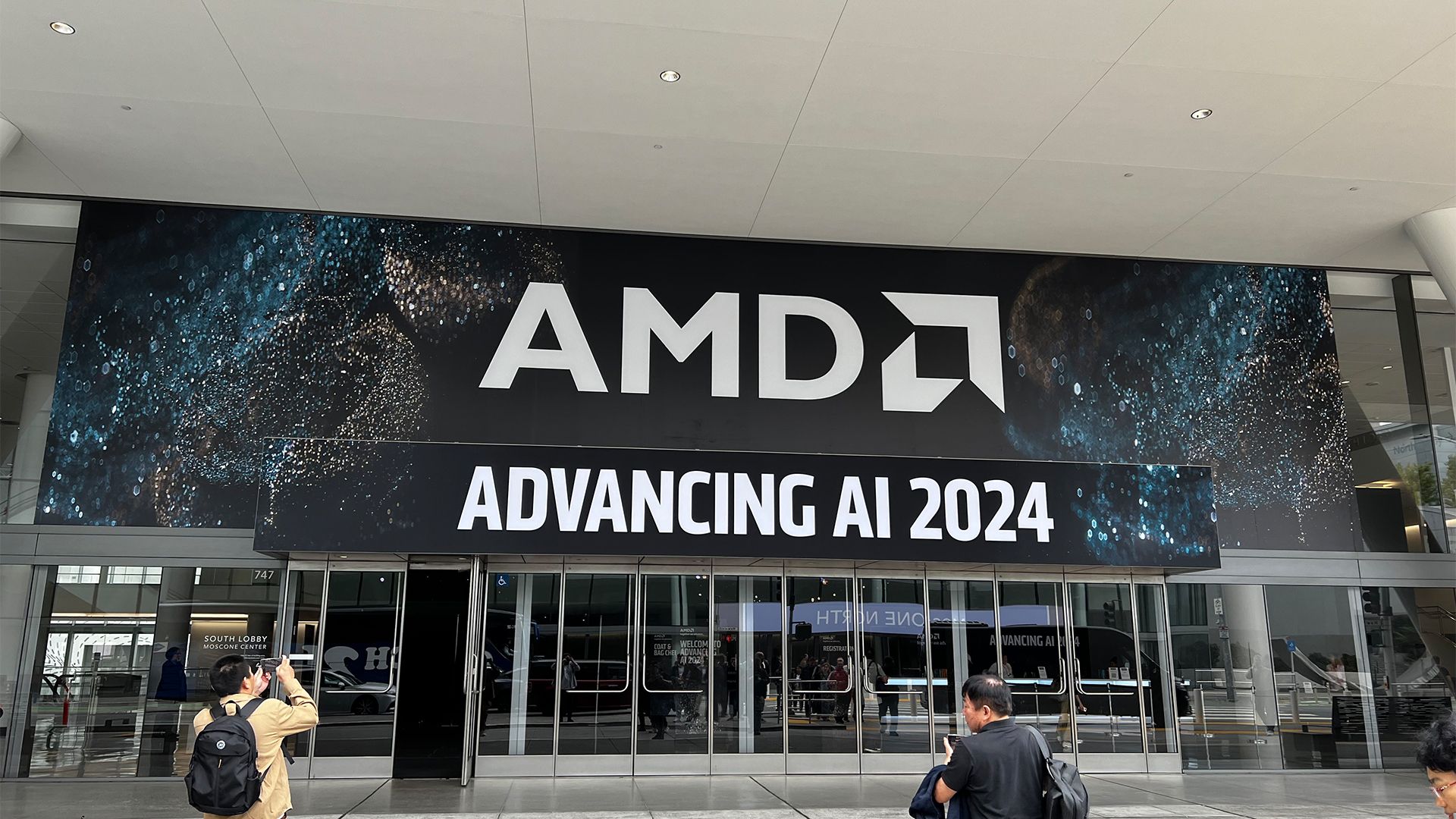
AMD's Advancing AI event announcement says hardware buyers now want a full platform story before launch day
AMD's late-April announcement for its Advancing AI 2026 event matters because it telegraphs where hardware competition is moving: toward whole-system storytelling around racks, software, networking, memory, and ecosystem readiness. The market now wants the platform narrative lined up before the products even ship.

Flywire's first quarter says complex cross-border payments still reward vertical fintech specialists
Flywire's May 5 first-quarter results matter because they suggest specialized payments infrastructure is still winning in education, travel, and healthcare despite broader fintech pressure. When a company built around difficult, high-context payment flows is still posting strong revenue growth, the signal is that complexity remains a defensible business model.
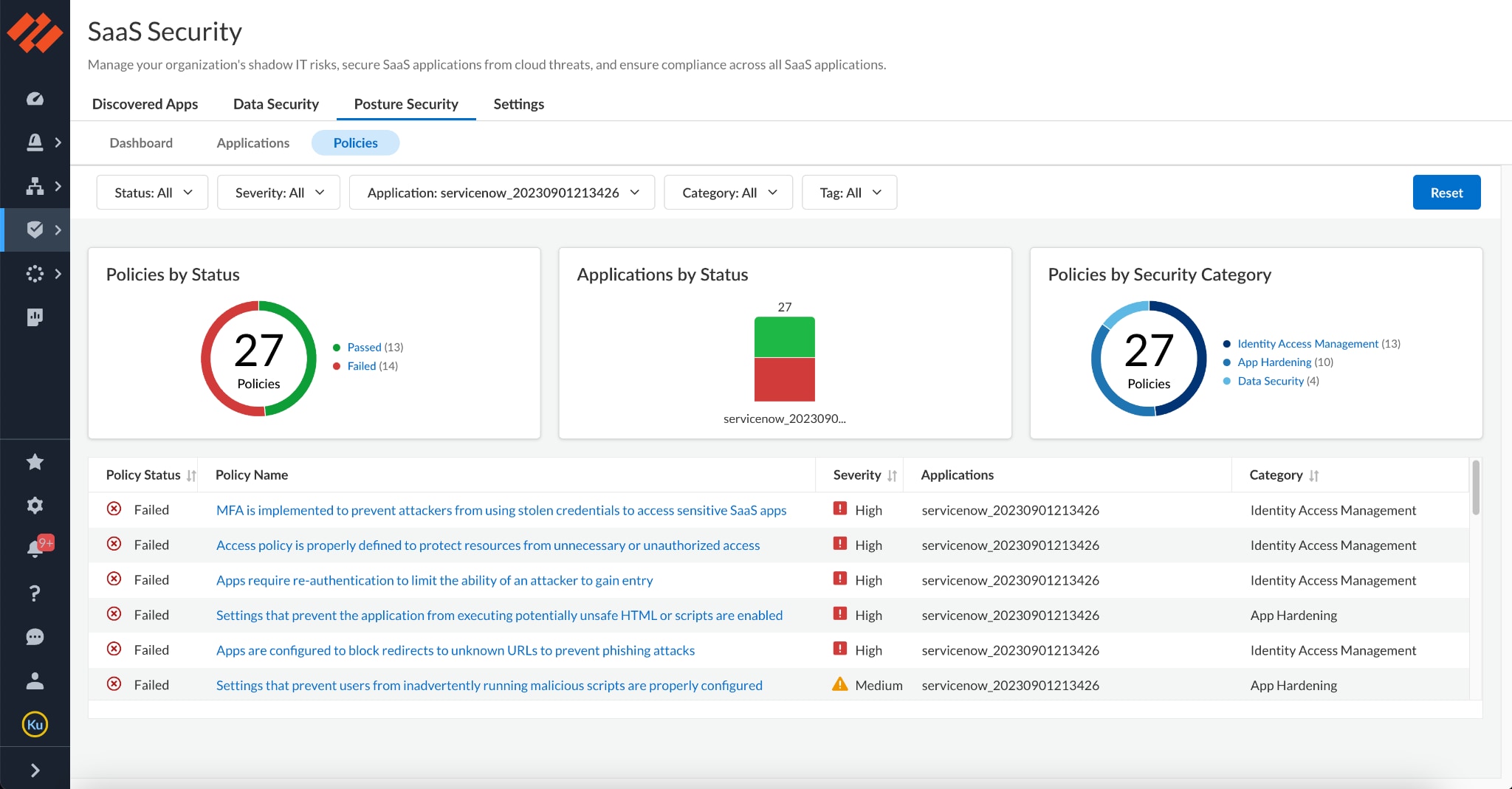
Palo Alto's latest SaaS warning says software teams still are not ready for employees with AI agents
Palo Alto Networks' May 6 warning about securing SaaS and enterprise data in the age of AI agents matters because it reframes software risk around machine-operated identity and delegated action. If every employee gains an agent that can browse, connect, retrieve, and act across SaaS tools, software security stops being a user-permission problem and becomes an orchestration problem.

Zipline's Houston launch says drone delivery is finally being sold as normal urban convenience
Zipline's April 29 early-access rollout in Houston matters because it reframes drone delivery from pilot-program novelty into everyday urban logistics. Combined with Zipline's recent claims of more than 2 million deliveries and ongoing work on quieter aircraft, the company is making a case that the next phase of robotics adoption will come not from spectacle but from making autonomy disappear into normal consumer behavior.
AMD's latest quarter says AI hardware demand is broadening beyond the GPU headline
AMD's May 5 first-quarter results matter because they show AI hardware demand spreading across a fuller systems stack. With data-center revenue up 57% to $5.8 billion, stronger EPYC adoption, continued Instinct ramp, and new collaborations spanning Meta, cloud providers, Samsung, and TCS, the story is less about one accelerator cycle and more about whether AMD is turning AI infrastructure into a multi-product platform business.

Colin Angle's new home-robot company says physical AI is coming back through care, not chores
Familiar Machines & Magic matters because it revives consumer robotics with a different thesis from the Roomba era. Instead of winning through task utility first, Colin Angle's new company is betting that emotionally aware, edge-heavy physical AI can become a trusted daily presence in the home and eventually a broader platform for embodied intelligence.