Google's Antigravity launch says software development is being rebuilt around managed agents, not isolated copilots
Google's I/O 2026 developer stack matters because it tries to turn prompts into production software through one continuous environment spanning AI Studio, managed agents, and an agent-first platform called Antigravity.
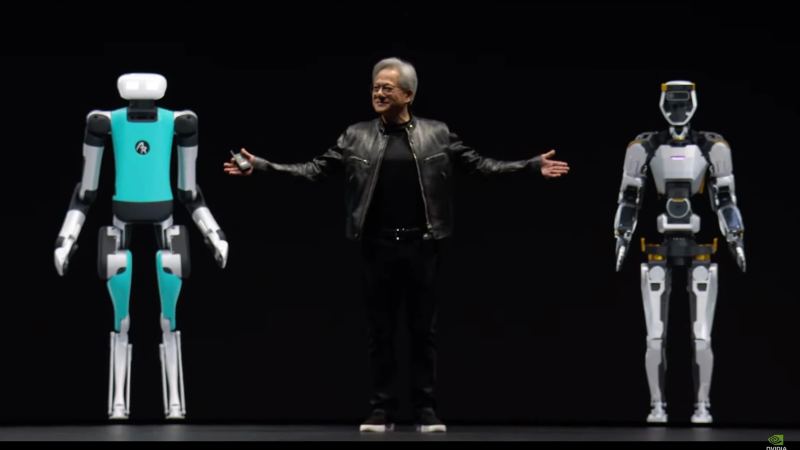
NVIDIA's GR00T reference humanoid says robotics is moving from bespoke labs toward shared research platforms
NVIDIA's early June 2026 robotics push matters because it turns humanoid development into a more standardized academic and developer workflow built on shared hardware, open training platforms, and reusable physical-AI tooling.
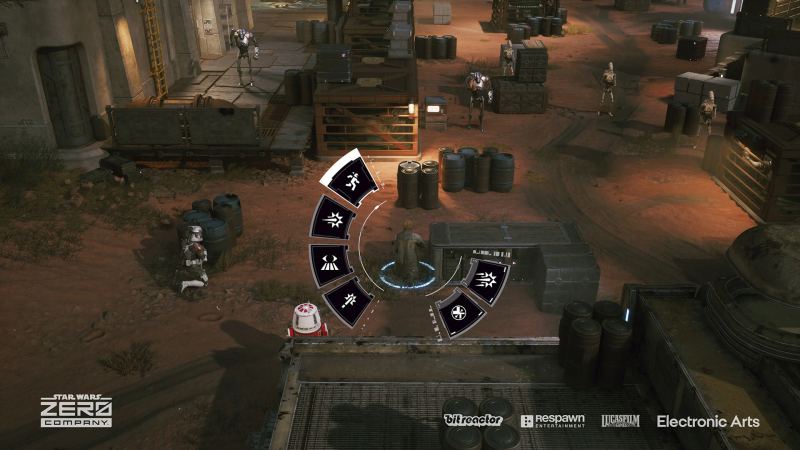
EA's Star Wars Zero Company bet says major game publishers still believe premium strategy can break out with the right IP wrapper
EA's June 5, 2026 Star Wars Zero Company reveal matters because it backs a traditionally niche turn-based tactics format with one of entertainment's biggest licenses, suggesting major publishers still see room for premium strategy games when they are packaged with cinematic presentation and mass-market IP.
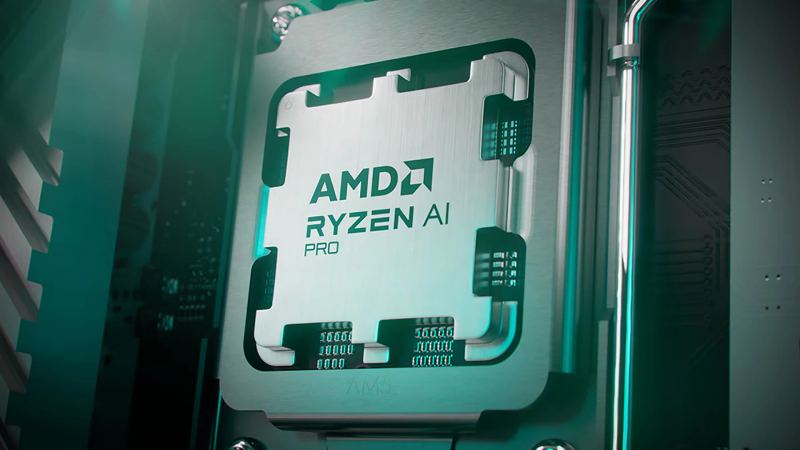
AMD's new agent computers say serious AI hardware is collapsing workstation, NPU, and local model testing into one box
AMD's May 20, 2026 Ryzen AI Halo and Max PRO 400 launch matters because it treats on-device agentic AI as a workstation-class systems problem, not as a lightweight Copilot feature bolted onto ordinary PCs.
NVIDIA and Microsoft say the real AI race is now about shipping one governed agent stack from laptop to cloud
The June 2, 2026 NVIDIA and Microsoft Build announcements matter because they recast agentic AI as a deployment-stack problem, where the winning platform is the one that keeps models, data, runtimes, and governance aligned from local devices to cloud infrastructure.

PlayStation's Until Dawn 2 reveal says gaming franchises now return as creator-era social horror systems
PlayStation's June 2, 2026 Until Dawn 2 reveal matters because it rebuilds a known horror franchise around influencer culture, branching relationships, and streamable spectacle instead of just nostalgia.
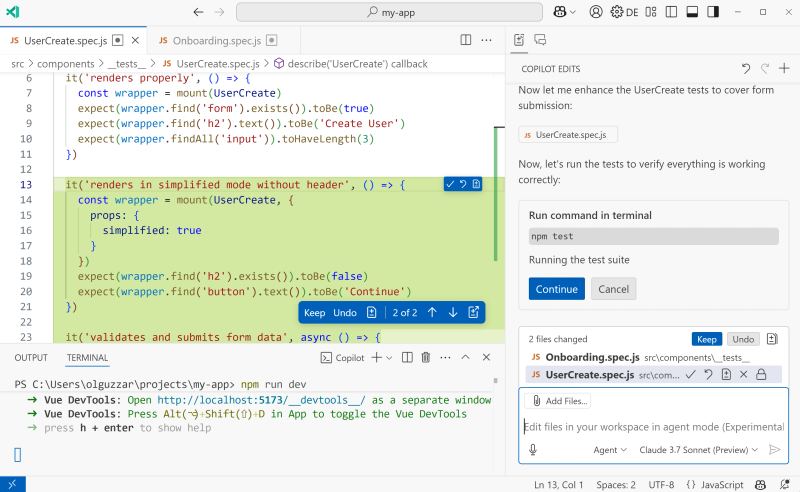
GitHub's Copilot app expansion says software is being reorganized around agent sessions, not IDE tabs
GitHub's June 2, 2026 Copilot app update matters because it gives agent-driven development a dedicated desktop surface built around parallel sessions, canvases, and isolated validation instead of chat bolted onto old tooling.

PlayStation's God of War Laufey reveal says big gaming franchises still grow by shifting perspective, not just scaling spectacle
Sony's June 2, 2026 God of War Laufey reveal matters because it turns a major franchise forward by re-centering the series on Faye, signaling that platform-scale gaming still depends on perspective shifts as much as production scale.
Zipline's Houston launch says drone logistics will scale by becoming ordinary household infrastructure, not futuristic spectacle
Zipline's April 29, 2026 Houston early-access launch matters because it shows drone delivery companies are competing on everyday reliability, neighborhood fit, and operational scale rather than on one-off demo flights.
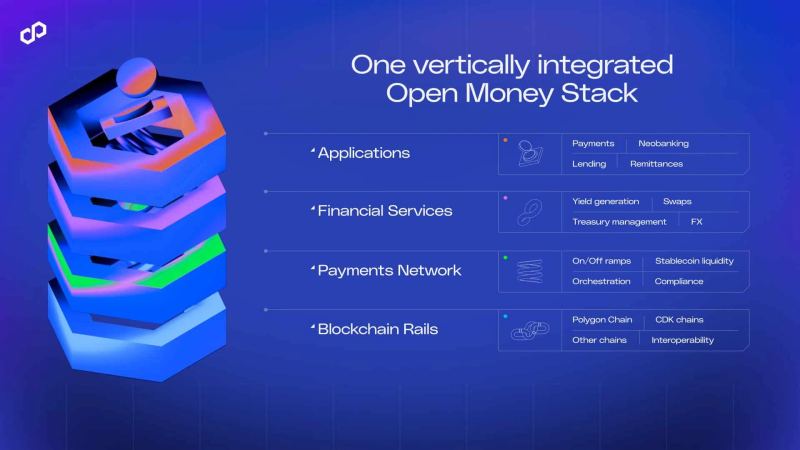
Polygon's Open Money Stack says crypto infrastructure is maturing into a liquidity operating system, not a wallet feature set
Polygon's June 4, 2026 Open Money Stack preview matters because it packages wallets, chain abstraction, liquidity routing, and compliance-ready payments into one crypto execution surface built for mainstream financial apps.
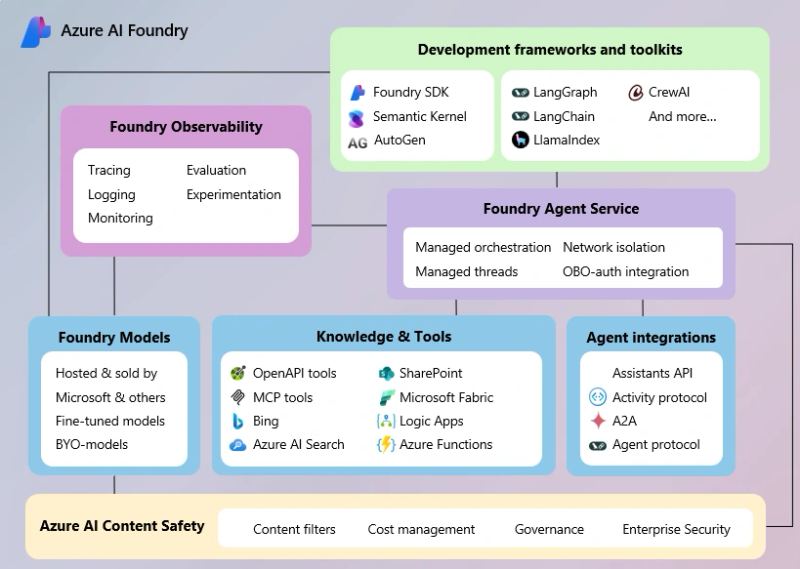
Microsoft's Work IQ push says software is being redesigned around agent surfaces, not app menus
Microsoft's June 2, 2026 Work IQ rollout matters because it turns enterprise software context, tools, and governance into a compact runtime built for agents instead of expecting developers to manually stitch together sprawling APIs and raw data sources.
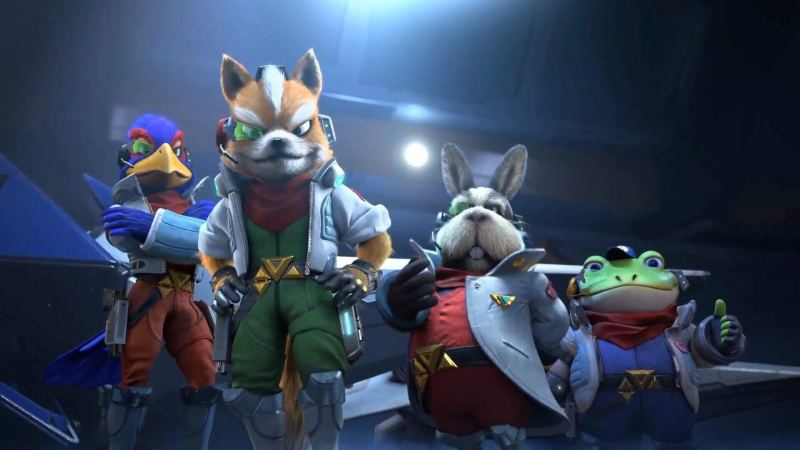
Nintendo's Star Fox reboot says gaming platforms still win by reformatting classics for shared play
Nintendo's June 4, 2026 Star Fox gameplay reveal matters because it treats a legacy franchise as a modern social product, layering online co-op, battle modes, GameShare, GameChat, and music tie-ins around a known single-player campaign structure.
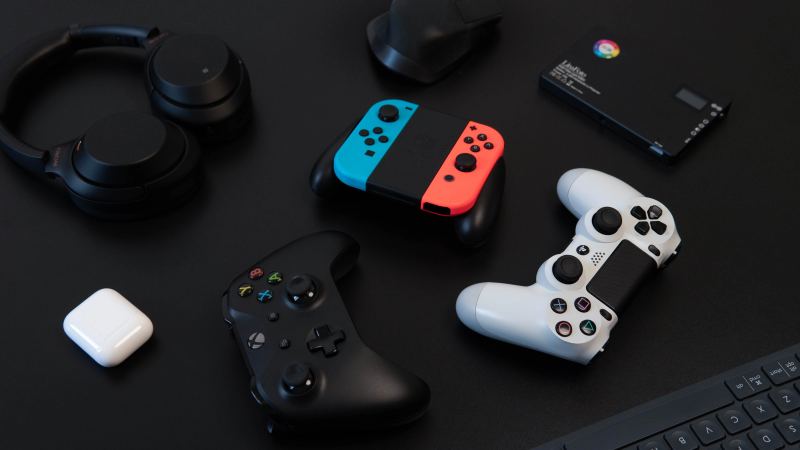
PlayStation's June State of Play says gaming platforms now compete on release cadence and ecosystem confidence
Sony's June 2, 2026 State of Play matters because it used platform cadence, third-party reveals, and subscription tie-ins to show that gaming attention is now won by steady ecosystem confidence, not only by one tentpole exclusive.
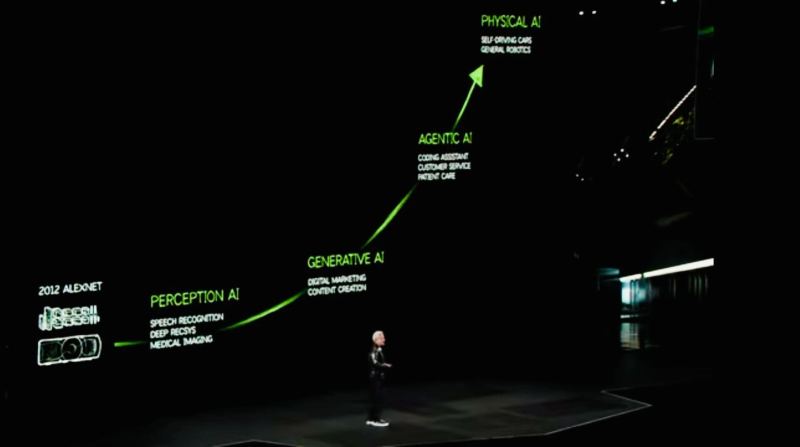
NVIDIA's new physical AI agent skills say robotics progress now depends on workflow scale, not isolated demos
NVIDIA's June 3, 2026 physical AI research push matters because it turns robotics development into a data-generation, simulation, policy-training, and evaluation pipeline that agents can help orchestrate end to end.
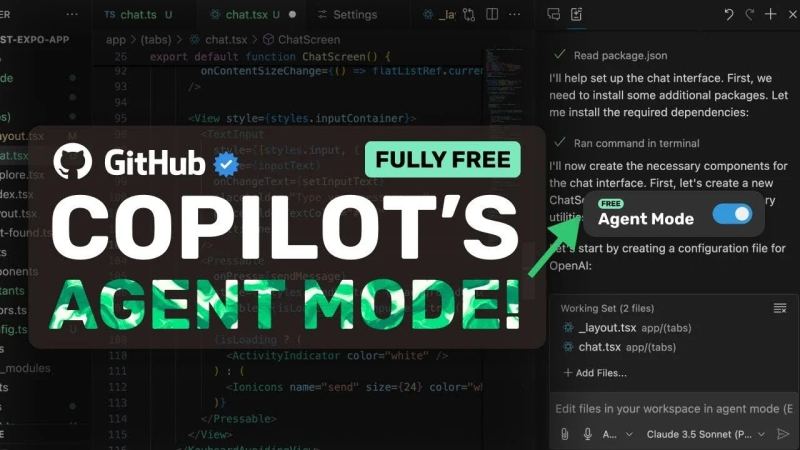
GitHub's Copilot app says coding agents need a desktop command center, not another sidebar chatbot
GitHub's June 2, 2026 Copilot app launch matters because it treats software development as agent supervision, validation, and workflow visibility instead of as a stream of isolated code suggestions.
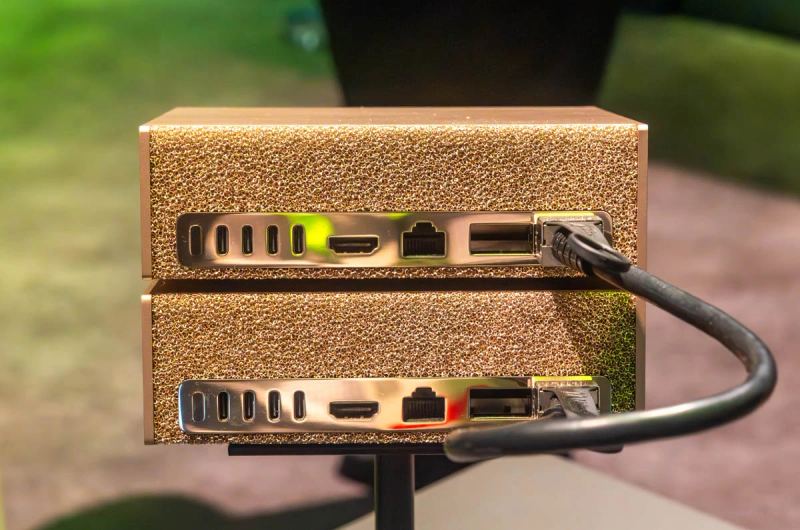
NVIDIA's RTX Spark says the next PC fight is about local AI agents, not just faster laptops
NVIDIA's June 1, 2026 RTX Spark announcement matters because it recasts the personal computer as an on-device agent machine with security primitives, unified memory, and enough local AI throughput to keep more work off the cloud path.
Xbox's June Game Pass wave says gaming subscriptions now compete by cadence design as much as exclusive blockbusters
Xbox's June 3, 2026 Game Pass update matters because subscription platforms increasingly win by programming a steady release rhythm that keeps attention warm between showcase events and premium launches.
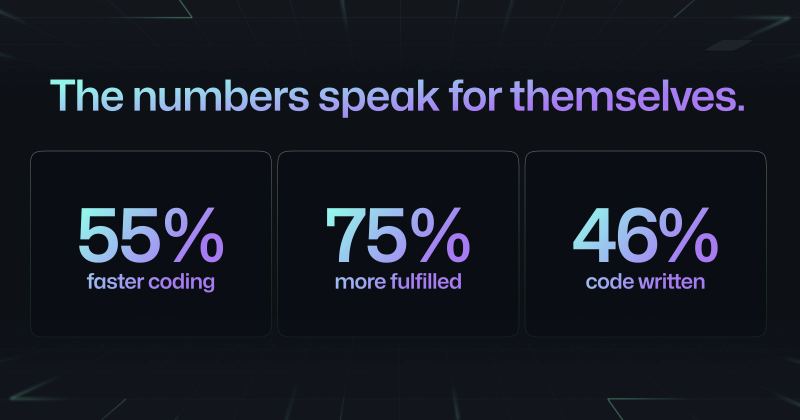
GitHub's Copilot CLI refresh says developer tools are competing on session orchestration, not just code generation
GitHub's June 2, 2026 Copilot CLI update matters because it adds scheduled prompts, voice input, and in-terminal navigation that make the CLI feel more like a persistent working environment than a single-turn assistant.
Xbox's June showcase buildup says gaming platforms still compete by programming attention, not only shipping games
Microsoft's June 2026 showcase messaging matters because it treats a content event as a platform-management tool, tying anniversaries, community rituals, and first-party reveals into one retention engine.
OpenAI's Codex expansion says AI competition is moving from coding copilots to broader workflow ownership
OpenAI's June 2, 2026 Codex updates matter because they reposition AI from a developer-side helper into a cross-functional work surface for analysts, operators, designers, and managers.
PlayStation's June State of Play says gaming platforms still win attention by staging release cadence like live television
Sony's June 2, 2026 State of Play framing matters because it turns one Wolverine-led showcase into a calendar anchor for PlayStation's summer engagement cycle.
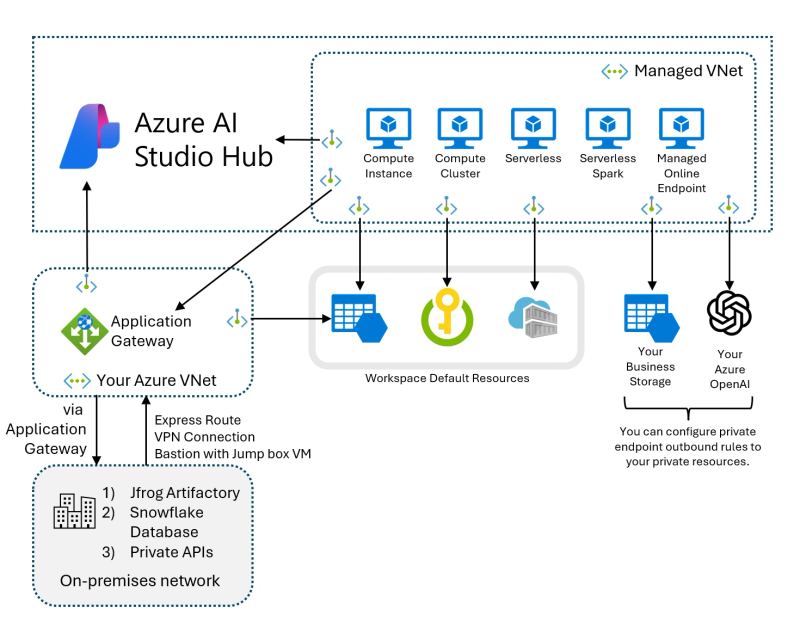
Google's managed agents push says frontier AI is moving from model access to hosted execution environments
Google's May 19, 2026 managed-agents launch matters because it turns agent orchestration, sandboxed execution, and multi-turn state into a hosted product layer rather than leaving developers to assemble the infrastructure themselves.
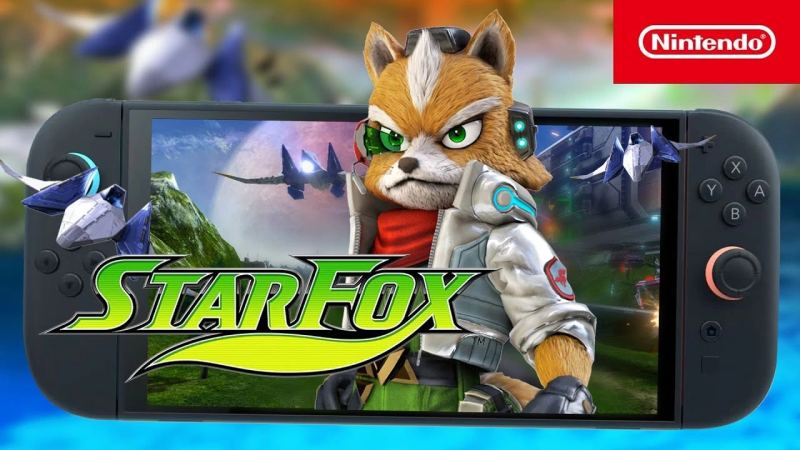
Nintendo's Star Fox reveal says Switch 2 growth still depends on first-party cadence, not hardware curiosity alone
Nintendo is using a familiar franchise and a near-term June 25 release to turn Switch 2 attention into software momentum.
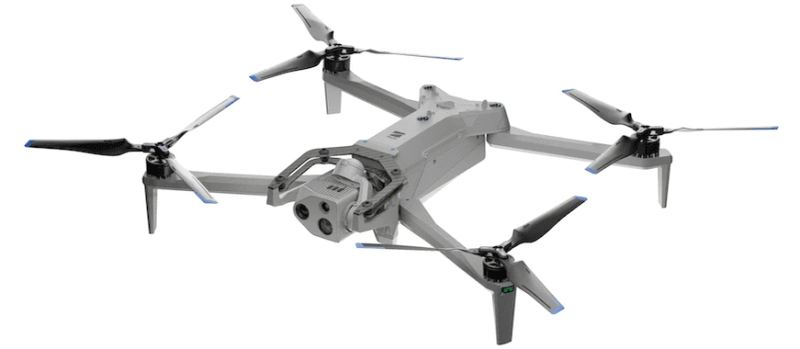
Skydio's X10D Air Force expansion says military drone adoption is shifting from trials into repeat procurement
Skydio's follow-on X10D award for Air Force EOD units shows drone autonomy becoming a recurring operational purchase instead of a one-off evaluation.