
Standard Chartered and Circle are turning stablecoins into a bank rail, not a sidecar crypto product
Standard Chartered's new integrated USDC access with Circle matters because it places minting and redemption inside a global bank's institutional service stack, pulling stablecoin usage closer to mainstream treasury, settlement, and liquidity workflows.
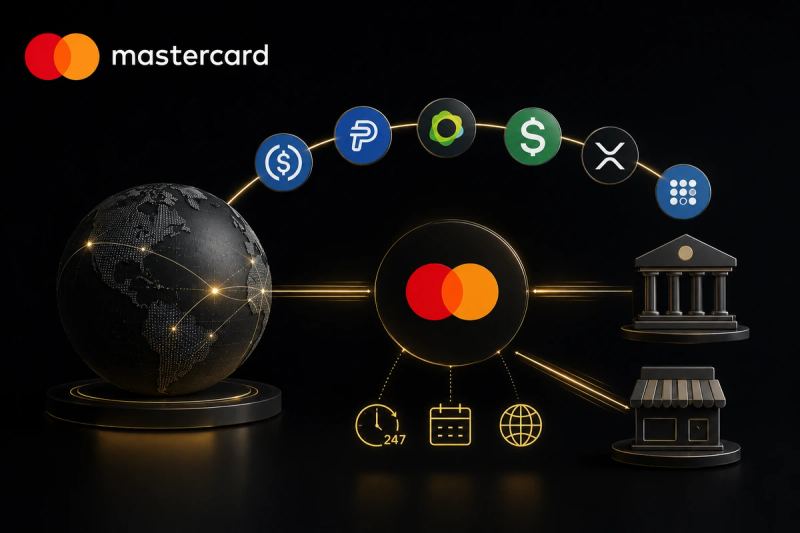
Mastercard's TIPS pilot says cross-border fintech is moving toward atomic settlement infrastructure, not prettier remittance fronts
Mastercard's participation in the Eurosystem-led TIPS cross-currency pilot matters because it points fintech competition toward direct infrastructure connectivity, atomic settlement, and regulated stablecoin flexibility rather than just better consumer-facing payment wrappers.

Circle's OCC trust-bank approval says crypto's next institutional edge is regulated reserve infrastructure, not exchange hype
Circle's final OCC approval to establish a national trust bank matters because it moves stablecoin credibility deeper into federally supervised custody and reserve infrastructure, suggesting the next big crypto competition may be about regulatory plumbing rather than speculative volume.

Cloudflare's Monetization Gateway says the agent web needs usage billing baked into the request path, not bolted onto it later
Cloudflare's new Monetization Gateway and x402 waitlist turn stablecoin micropayments into an application-layer primitive for APIs, pages, datasets, and MCP tools, suggesting the software stack for AI agents will need native metering and payment validation.

Spiko's stablecoin fund rails show crypto's next institutional win is replacing settlement delay, not replacing funds themselves
Coinbase and Spiko say regulated European UCITS money market funds can now accept USDC and EURC for subscriptions and redemptions, pushing stablecoins deeper into real cash-management workflows instead of leaving them at the exchange edge.
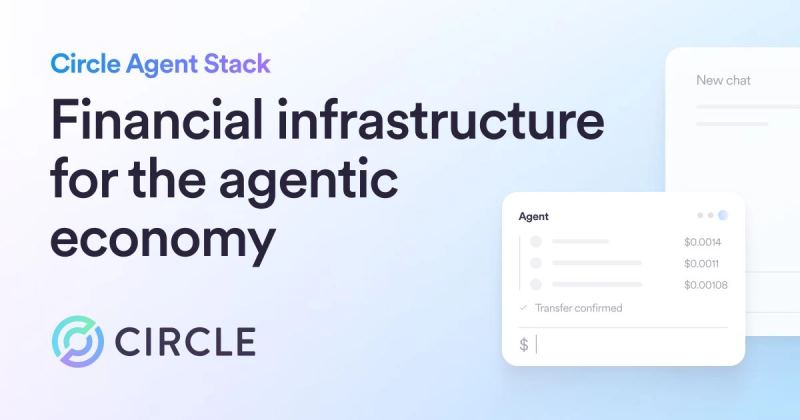
Circle's Agent Stack shows crypto rails are chasing agent-to-agent commerce now, not just another speculative token cycle
Circle's Agent Stack matters because it packages wallets, payments, service discovery, and programmable USDC flows into a practical toolkit for autonomous software, which is a more concrete crypto narrative than broad claims about onchain finance changing everything.
npm v12 makes safer installs the default and forces JavaScript teams to say what they actually trust
GitHub's npm v12 rollout matters because it flips install-time execution and dependency retrieval from permissive defaults to explicit opt-ins, which could meaningfully change how JavaScript organizations secure builds, CI pipelines, and automated publishing.
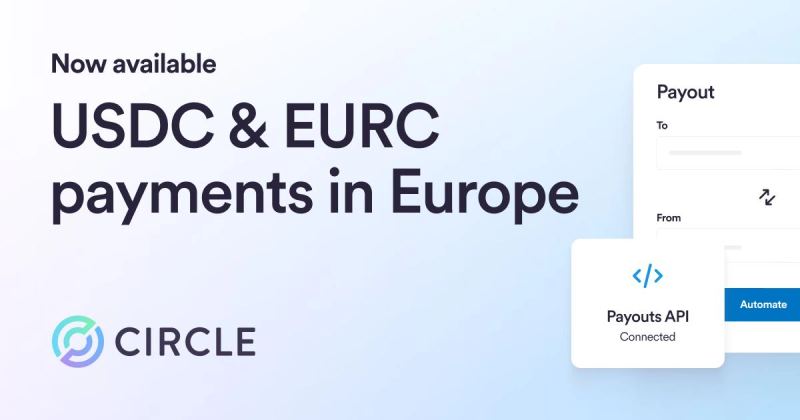
Circle Mint France turns stablecoin payouts into a regulated European treasury tool instead of a crypto side experiment
Circle's France rollout matters because it moves stablecoin payouts deeper into compliant payout operations for European institutions, narrowing the gap between treasury software and onchain settlement rather than treating stablecoins as a parallel niche.

Alberta using Claude for vulnerability remediation shows enterprise AI buyers now care about governed cyber output, not just model power
Anthropic's July 6 Alberta case study matters because it frames AI security work as an operational procurement story: faster vulnerability discovery, legacy modernization, and clearer governance boundaries for high-risk model use.
Standard Chartered and Circle are trying to make USDC look less like exchange liquidity and more like bank-grade dollar plumbing
Standard Chartered's July 2 integration with Circle matters because it gives institutional clients direct access to USDC minting and redemption through a global bank relationship, tightening the link between regulated treasury flows and stablecoin rails.

Open USD shows the stablecoin battle is shifting from token issuance alone to partner economics, governance, and payment-network distribution
Open Standard's June 30 unveiling of Open USD matters because it reframes the stablecoin race around who shares reserve economics, who controls the roadmap, and which real-world payment networks are willing to distribute the asset.

Coinbase and Spiko are turning stablecoins from crypto liquidity rails into fund settlement infrastructure
Coinbase's June 30 announcement with Spiko matters because it pushes USDC and EURC beyond exchange settlement and into regulated money-market fund entry and exit, compressing a legacy timing gap that traditional fund plumbing rarely solves.
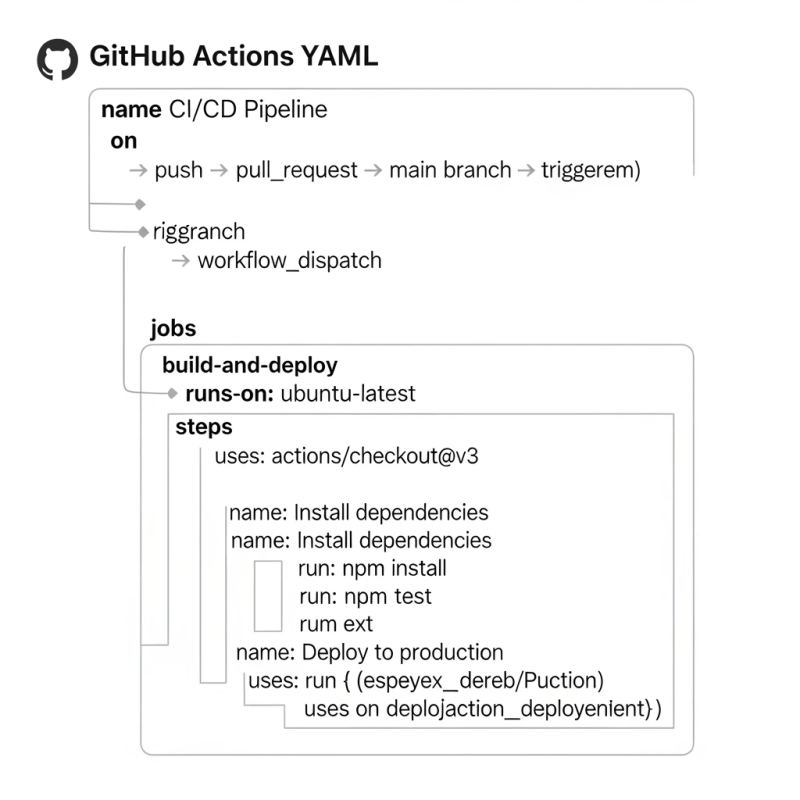
GitHub's workflow execution protections show software platforms are finally treating CI triggers as policy surfaces instead of YAML trivia
GitHub's June 18 workflow execution protections preview matters because it turns a long-running GitHub Actions security weak spot into centrally managed policy, giving enterprises a better way to contain trigger abuse and pwn-request style attacks.
BNY putting USDC inside institutional custody says fintech's stablecoin phase is now about operational integration, not pilot language
BNY and Circle's June 29 expansion matters because it brings custody, minting, burning, and fiat conversion into one institutional workflow instead of leaving stablecoin activity at the edge of the bank stack.
Open USD says the next stablecoin fight is moving from token issuance to who owns the network economics
Open Standard's June 30 launch of Open USD matters because it reframes stablecoin competition around shared reserve economics, neutral governance, and enterprise distribution instead of single-issuer control.
OpenAI's GPT-5.6 Sol preview says frontier AI launches are now judged as much by release discipline as by raw model gains
OpenAI's June 26 preview of GPT-5.6 Sol matters because the company is pairing stronger coding, biology, and cybersecurity performance with a staged release, heavier safeguards, and trusted-access rollout logic.
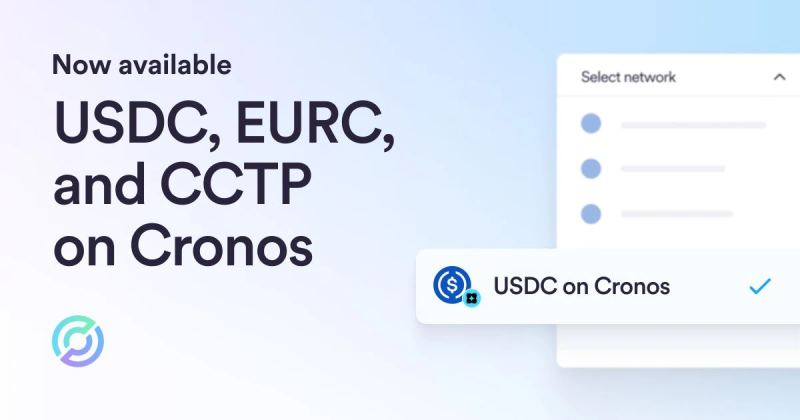
Circle bringing USDC, EURC, and CCTP live on Cronos shows the next crypto land grab is about making stablecoins usable across trading, payments, and agent software at once
Circle's July 1 Cronos rollout matters because it combines native USDC, EURC, and CCTP into a single interoperability package for trading, payments, DeFi, and agent-driven applications.

Anthropic's jailbreak framework for Fable 5 says frontier AI launches now need a security policy as detailed as the model itself
Anthropic's July 2 safeguards post matters because it turns Fable 5's return into a governance story about classifier boundaries, cyber risk categories, and an industry-wide language for jailbreak severity.
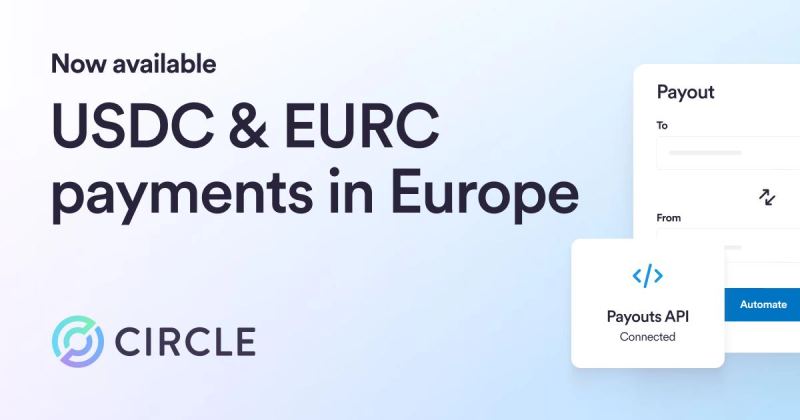
Circle's France payout launch shows stablecoins are moving deeper into regulated cash operations, not just trading rails
Circle's July 1 expansion of Stablecoin Payouts through Circle Mint France matters because it brings compliant USDC and EURC third-party payouts further into European operating workflows.

Visa is rebuilding the checkout stack for a world where AI agents shop, score risk, and move money without waiting for people
Visa's June 10 product drop matters because it bundles agent scoring, merchant and agent verification, token upgrades, and stablecoin settlement expansion into one strategy for programmable commerce.

Coinbase and Spiko are trying to turn stablecoins into the cash rail for regulated European money funds
Coinbase's June 30 Spiko announcement matters because it connects USDC and EURC directly to UCITS Treasury funds, pushing stablecoins from crypto-native settlement into regulated fund subscriptions and redemptions.

Coinbase is betting the next stablecoin battle will be won in reserve plumbing, not just wallet growth
Coinbase's investment in ProShares' IQMM fund matters because it shifts stablecoin competition toward the cash-management and redemption machinery that sits behind every tokenized dollar promise.

Anthropic is putting Fable 5 back into global hands, but with a harder safety and security story attached
Anthropic's July 1 global return for Fable 5 matters because it turns a politically disrupted frontier model launch into a test of whether export controls, cyber safeguards, and enterprise trust can coexist in a commercial AI rollout.
Coinbase and Spiko are trying to make tokenized cash funds behave like 24/7 crypto-native liquidity
Coinbase and Spiko's June 30, 2026 launch matters because it connects regulated money-market fund access with stablecoin funding rails, pushing treasury products closer to always-open onchain liquidity instead of banking-hour settlement.