BNY and Circle are pushing stablecoins deeper into institutional market plumbing
BNY's June 29, 2026 expansion with Circle matters because it moves USDC beyond headline adoption and into a bank-grade custody, mint, and burn workflow that institutions can actually operate at scale.

Open USD says the next stablecoin war will be won by a consortium, not a single issuer
The June 30 Open USD launch matters because it reframes stablecoins from issuer-owned products into shared infrastructure backed by payment networks, banks, cloud firms, and crypto platforms.
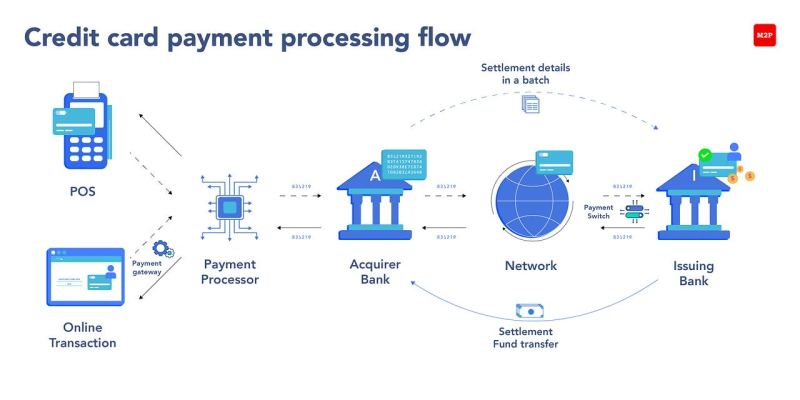
Mastercard is quietly redesigning card settlement for a market that no longer waits for banking hours
Mastercard's settlement expansion matters because it treats intraday timing, weekend liquidity, and regulated stablecoin settlement as core network features rather than as fringe experiments for a few digital-asset clients.
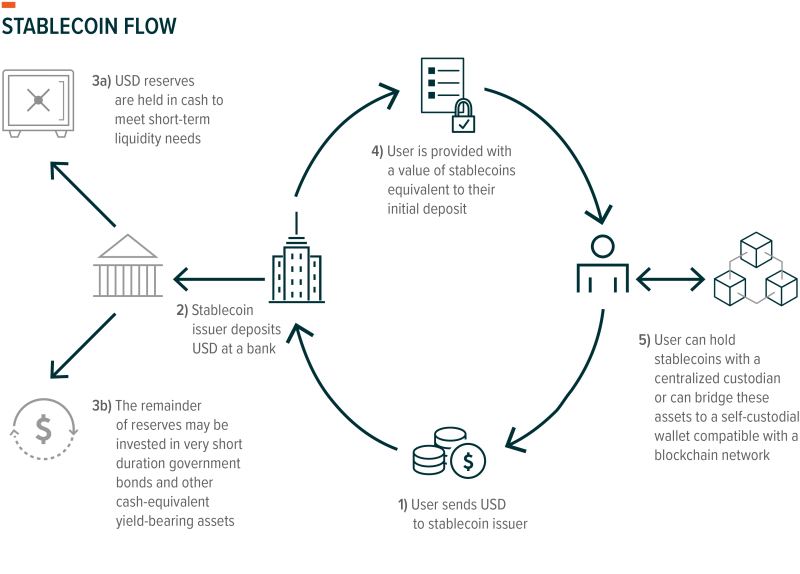
BNY and Circle are turning stablecoin infrastructure into a bank custody product, not a crypto side lane
BNY's expanded Circle relationship matters because it makes USDC custody, minting, and redemption look less like specialist crypto plumbing and more like a native institutional treasury function inside a major bank.
Visa and Bridge say stablecoins become real retail finance only when card distribution scales globally
Visa and Bridge are pushing stablecoin-linked cards from 18 countries toward 100-plus markets, turning crypto balances into a distribution problem for global payments rather than a niche settlement experiment.

Coinbase and MassPay are turning stablecoin payouts into an enterprise treasury product, not a crypto experiment
Coinbase's June partnership with MassPay shows how stablecoins are moving from exchange-native activity into a more enterprise-ready payout and treasury operating layer.
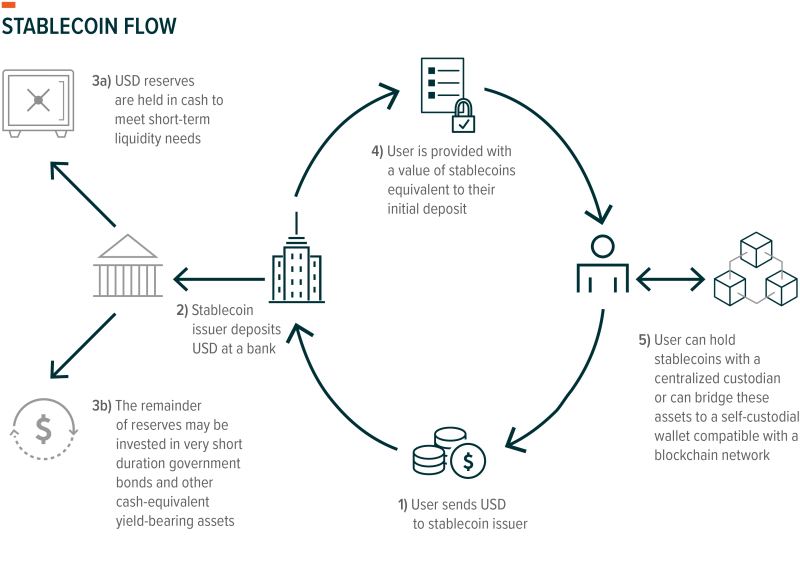
BNY and Circle are turning stablecoins into bank-grade treasury operations, not exchange-side plumbing
BNY and Circle's June 29 expansion links USDC custody, minting, and burning inside one institutional operating model, pushing stablecoins closer to treasury infrastructure and further away from their old exchange-first identity.

Coinbase's latest payments push says crypto's enterprise future is stablecoin operations, not exchange theater
Coinbase's June payments messaging and its MassPay partnership suggest the company's clearest crypto growth path is becoming a stablecoin operations layer for enterprises that need treasury, wallets, and cross-border payouts to behave like infrastructure.

OpenAI's GPT-5.6 Sol says frontier AI competition is now about long-horizon reasoning that can still be governed
OpenAI's limited preview of GPT-5.6 Sol reframes the AI race around deeper agentic work in coding, science, and cybersecurity, paired with a tighter release model and a more explicit safety stack.

OpenAI's Secure MCP Tunnel turns enterprise agent adoption into a network design problem companies can actually ship
OpenAI's Secure MCP Tunnel is a software infrastructure release, not just a tooling update: it gives private MCP servers an outbound-only bridge into ChatGPT, Codex, and the Responses API without forcing enterprises to expose internal systems to the public internet.

NVIDIA's RTX Spark says the next hardware race is the computer built for local agents
NVIDIA's RTX Spark push reframes the AI PC from a marketing category into a concrete hardware design for local agent workloads, pairing Blackwell compute, large unified memory, and Windows security primitives around on-device autonomy.

Ripple's RLUSD launch with SBI says stablecoin expansion now runs through regulated local distribution
Ripple's Japan launch for RLUSD with SBI VC Trade shows the next stablecoin growth phase is not just minting supply, but securing regulated local channels that can serve institutions and retail users under country-specific rules.
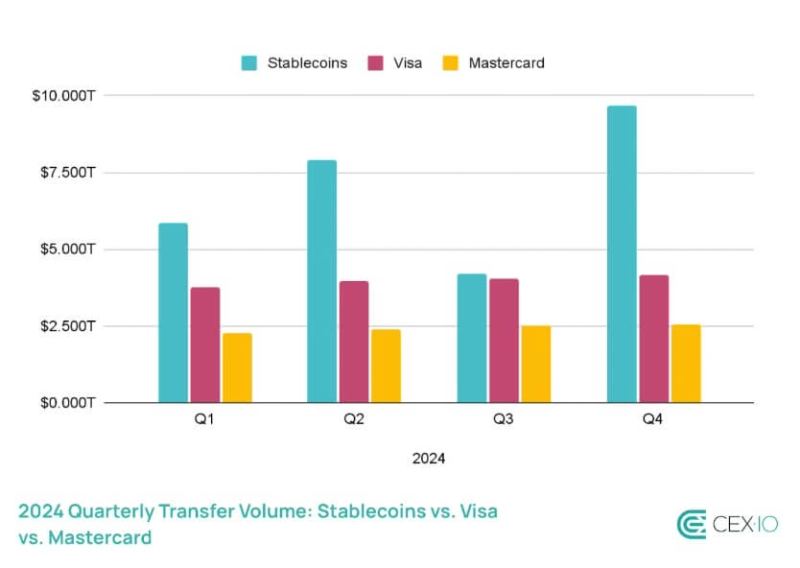
Visa and Mastercard are turning stablecoins and agents into normal payments rails
June announcements from Visa and Mastercard show incumbent payment networks trying to absorb stablecoins and AI agents into everyday settlement, card issuance, and merchant commerce.
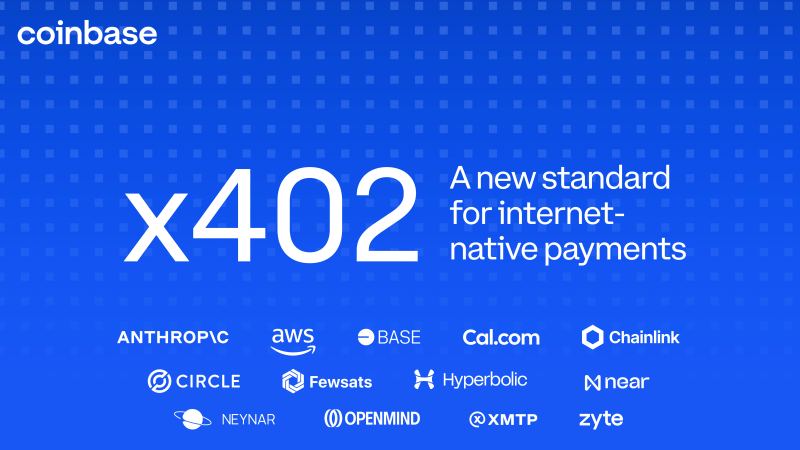
Coinbase and AWS push x402 from crypto experiment into CloudFront and WAF traffic monetization
Coinbase's x402 work with AWS points to a more practical crypto use case: letting APIs, agents, and websites charge tiny stablecoin payments directly at the network edge.

Mastercard's stablecoin settlement and Agent Pay launch say fintech wants machine-time money rails
Mastercard's June settlement upgrade and Agent Pay for Machines release show the payments stack preparing for a world where money moves across weekends, software agents, and always-on commerce.

Ripple's RLUSD expansion into Japan and Latin America says stablecoins are becoming local distribution products
Ripple's June expansion moves for RLUSD in Japan and Latin America suggest the next crypto battleground is not proving that stablecoins work, but embedding them through local partners, permissions, and enterprise corridors.
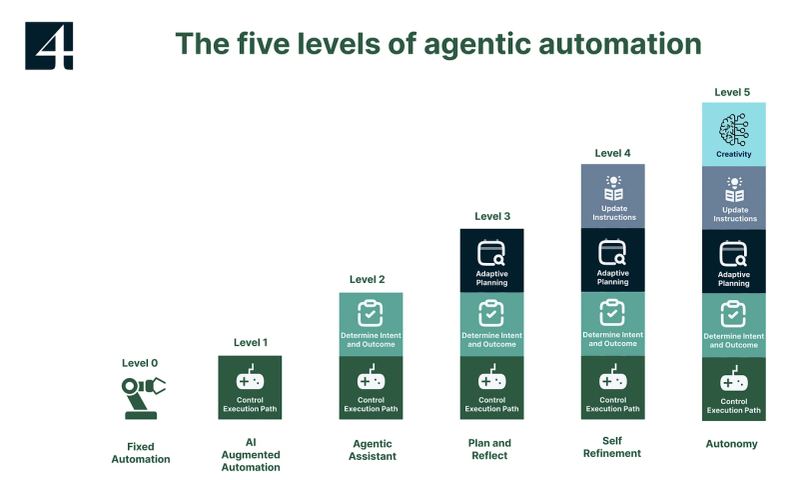
GitLab's agentic-scale push says software teams now need governance for every AI action
GitLab's June platform updates frame agentic coding as a governance problem: enterprises need speed, but they also need auditable controls across code, pipelines, security, and production.

Checkout.com and Fireblocks say crypto's next enterprise win is stablecoin settlement, not checkout theater
Checkout.com's June stablecoin push with Fireblocks and Coinbase shows digital assets moving deeper into merchant settlement, where speed, liquidity, and always-on payout windows matter more than crypto branding.
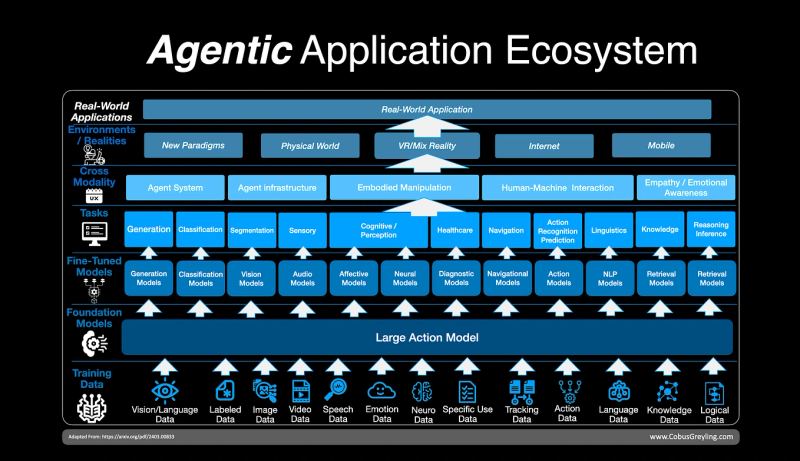
Visa's June launches say fintech's next moat is becoming the trust layer for agentic commerce
Visa's June 2026 OpenAI partnership and programmable commerce releases show payment networks trying to own the credentialing, scoring, and stablecoin logic needed when software agents become active buyers.
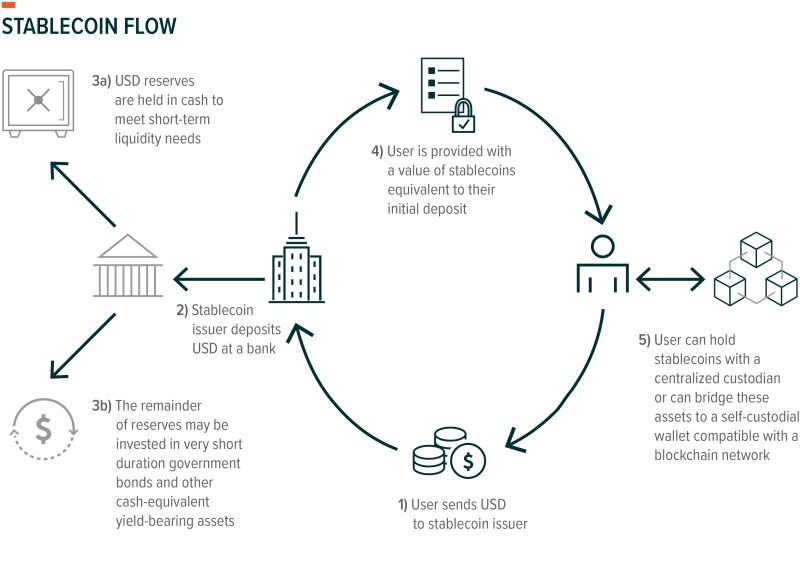
Ripple's June push says crypto's next durable role is machine-settlement infrastructure, not exchange spectacle
Ripple's June 2026 agentic-payments tooling and stablecoin infrastructure messaging suggest the strongest crypto value may come from predictable settlement, operational controls, and multi-asset payment plumbing for software agents.

Coinbase's June launches say stablecoin rails are becoming an agent-ready commerce stack
Coinbase's latest product sequence suggests crypto exchanges want to become the programmable financial rail for AI agents, publishers, merchants, and cross-border payouts all at once.
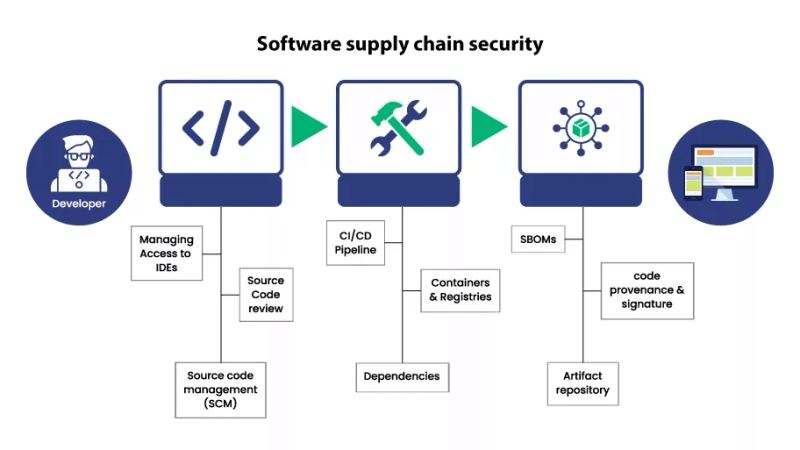
GitHub's Actions security roadmap says software supply chain defense is moving from advice to enforceable defaults
GitHub's 2026 Actions roadmap shows software teams no longer want CI security as a best-practices document; they want policy, observability, and safer defaults built into the platform itself.

Coinbase's SpaceX pre-IPO perp says crypto exchanges want to tokenize private-market exposure before Wall Street opens the door
Coinbase's June 3 launch of a SpaceX pre-IPO perpetual future shows crypto platforms trying to pull private-company speculation onto 24/7 stablecoin rails long before traditional brokerages can productize it.
OpenAI's Daybreak launch says frontier AI is becoming patch infrastructure, not just vulnerability radar
OpenAI's June 22 Daybreak expansion shows the next valuable AI security layer is not finding more flaws, but helping defenders validate, patch, and deploy fixes faster than attackers can move.