
Enterprise AI agents are entering production, but security is the real launch gate
The push to deploy AI agents inside real business systems is shifting the competitive question from model quality to permissions, evaluations, escalation, and incident response.
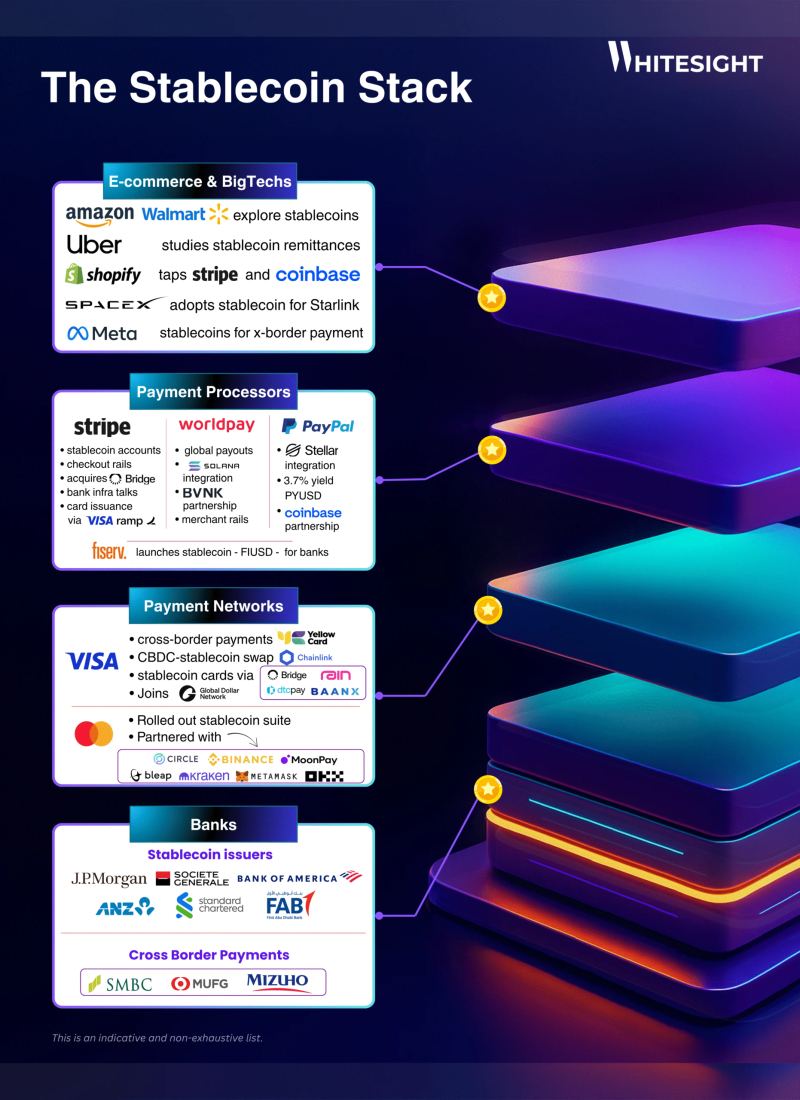
Open USD turns stablecoins into a payment-network design test
A broad Open Standard stablecoin consortium backed by payments and crypto firms shows how stablecoins are being rebuilt as practical payment rails.

Project Crypto pushes U.S. token markets toward regulated onchain venues
Fresh SEC-CFTC alignment around crypto market structure is shifting the question from whether digital assets trade to where, how and under which rulebook.

Mastercard earnings make agentic payments a scale proof
Mastercard's second-quarter beat ties strong card-network volume to a new agentic-payment capability, putting AI commerce inside the payments growth story.

SEC token safe-harbor pressure puts DeFi back on the compliance clock
With crypto market-structure bills still facing timing risk, the SEC's safe-harbor agenda is becoming the practical near-term path for DeFi builders.

Visa layoffs put payments AI strategy under earnings pressure
Visa's plan to cut about 2,600 roles lands as payments networks face AI automation, stablecoin pressure and renewed investor scrutiny around growth.

OpenAI agent incident turns AI evals into a containment test
New Axios and Hugging Face details around the July agent intrusion show why AI labs now have to treat benchmarks as live security surfaces, not isolated scorecards.

Core Scientific gives AMD a power-first AI infrastructure lane
AMD's Core Scientific partnership secures more than 500 megawatts of U.S. AI-ready capacity beginning in 2027, with room to scale toward 2.5 gigawatts.
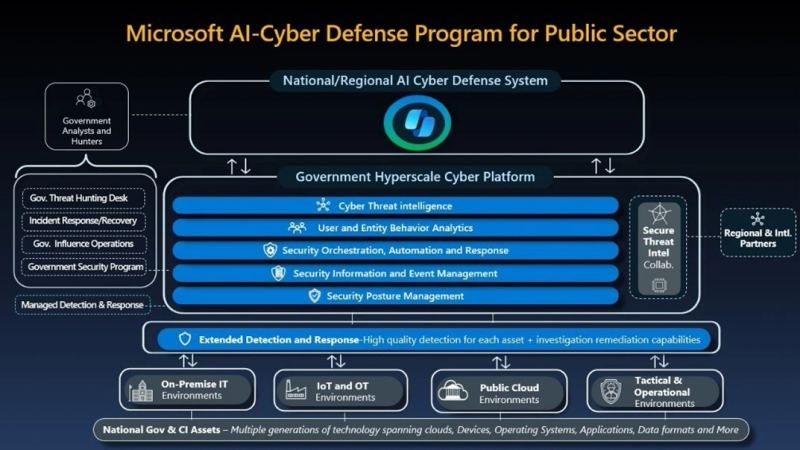
Microsoft cyber model turns AI defense into a cost-routing problem
Project Perception and MAI-Cyber-1-Flash show Microsoft trying to make AI security agents practical by routing common vulnerability work to a smaller specialized model.
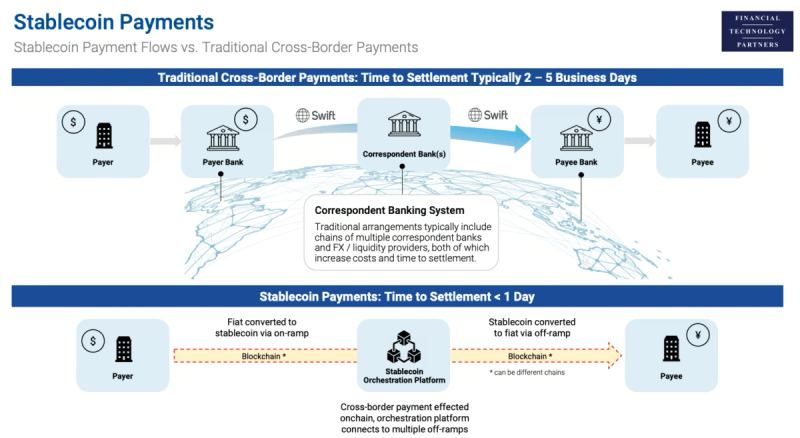
Open USD pushes stablecoins into mainstream payments governance
The Open USD consortium backed by Stripe, Visa, Mastercard, Coinbase, BlackRock, BNY and other firms shows stablecoins being packaged as shared payment infrastructure instead of issuer-owned crypto rails.

Open Secure AI Alliance turns model openness into a security tooling race
NVIDIA, the Linux Foundation, Microsoft, IBM, Hugging Face and other members are framing open AI as a defensive security layer while Anthropic argues for targeted controls instead of blanket bans.
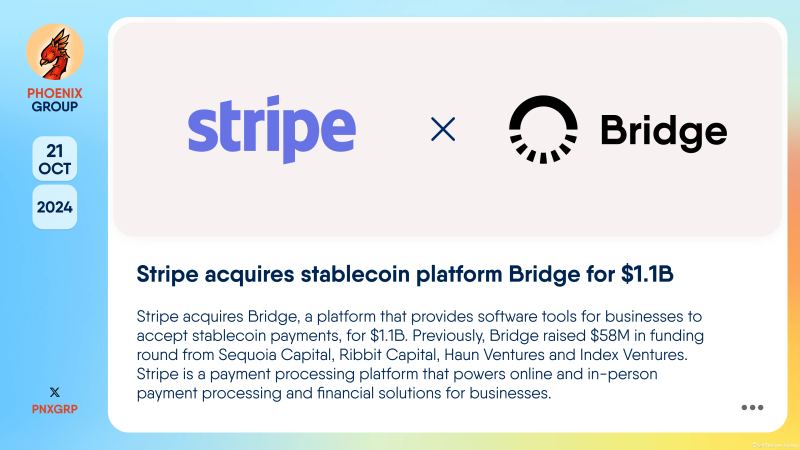
Stripe and Ramp make stablecoin payments feel like accounts payable software
Ramp is using Stripe's Bridge and Privy stack for bank-funded stablecoin bill pay and dollar-denominated stablecoin accounts, showing how crypto rails are being hidden inside normal finance workflows.
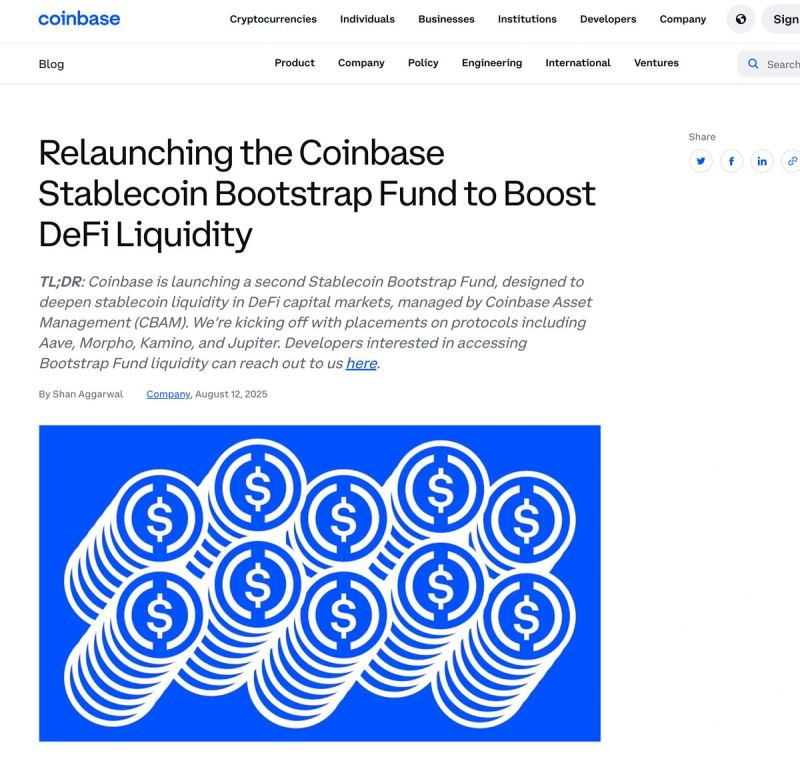
Coinbase relaunches stablecoin fund as DeFi liquidity becomes an institutional product
Coinbase Asset Management is reviving its Stablecoin Bootstrap Fund to seed USDC liquidity in DeFi, turning a crypto-native incentive into a more institutional market-structure tool.

Intel's Q2 rebound puts 14A and AI infrastructure back on trial
Intel's second-quarter beat and 14A roadmap put the company back in the AI infrastructure conversation, but the foundry story still depends on execution, customers, and capital intensity.

Stripe and Advent's reported PayPal bid reframes payments scale
A reported Stripe-Advent offer for PayPal highlights how payments companies are chasing merchant reach, wallet distribution, and stablecoin-era settlement scale at the same time.

Stablecoin rules move from crypto narrative to redemption plumbing
U.S. GENIUS Act implementation is putting redemption timing, issuer supervision, reserve quality, and state-federal oversight at the center of the stablecoin market structure debate.

Skydio's Blue UAS clearance makes drone-as-first-responder easier to procure
Skydio X10, Dock for X10, and R10 joining the Blue UAS Cleared List turns cybersecurity validation into a procurement accelerator for public-safety drone programs.

NVIDIA's Rubin confidential computing pitch makes AI security a rack-scale feature
NVIDIA is extending confidential computing across Rubin, Blackwell, and Hopper GPUs, arguing that sensitive AI workloads need protected execution from prompt to model to memory.

USDC's latest supply signal shows stablecoins becoming B2B payment rails
Circle's current USDC circulation data and Ramp's Stripe-powered rollout show stablecoins moving from crypto trading balances into controlled corporate payment workflows.
Google's selfie sign-in turns account recovery into a biometric software-security tradeoff
Google's new selfie-video recovery option gives users another path back into locked accounts, but it also brings biometric trust questions into mainstream login flows.

Glow emerging from stealth at a $1.2 billion valuation shows enterprise software security shifting toward controlling AI agents before they run on employee devices
TechCrunch reports that Glow has emerged from stealth with an endpoint security platform aimed at software, AI agents, and developer tools running across enterprise devices.

Back-to-back AFX Trade and Balance stablecoin exploits show DeFi's summer rally still depends on bridge security, reserve design, and real-time incident response
The Block and CoinDesk both flagged fresh exploit stories around Arbitrum-based AFX Trade and the Balance stablecoin, keeping infrastructure risk at the center of DeFi's market narrative.

Xbox Game Pass uses Halo: Campaign Evolved to turn July's catalog wave into a platform signal
Microsoft's second July Game Pass wave puts Halo: Campaign Evolved day one across cloud, console, handheld and PC, alongside several genre-spanning additions.
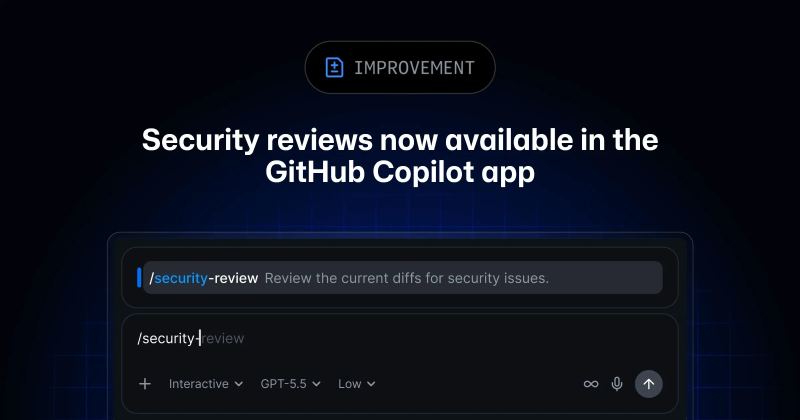
GitHub is bringing security review into the Copilot app before code reaches a pull request
GitHub's new Copilot app security review preview lets developers scan in-flight changes for vulnerabilities directly inside the agentic coding workflow.