
DeFi Briefing: Bitcoin ETF Inflows, Coinbase Tax Strategy, and US Retirement Sentiment
A review of three distinct developments in the crypto market: a critical test for Bitcoin ETF inflows amid upcoming economic data, Coinbase's CEO considering a move out of California due to tax policy, and survey data indicating Americans prefer traditional retirement security over Bitcoin.

AI Sector Briefing: Anthropic's $45B Compute Deal and Regulatory Shifts in Advertising
A major infrastructure commitment by Anthropic signals a new era of compute economics, while legal frameworks begin to formalize AI advertising compliance.
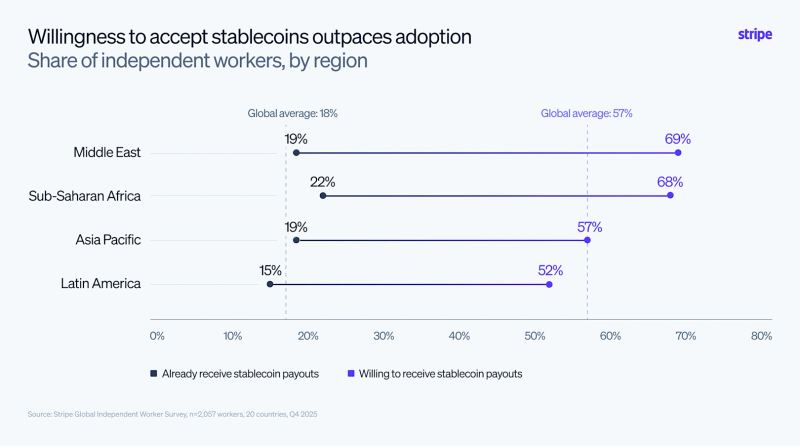
Stripe's stablecoin payout bet starts with global workers who want faster money
Stripe says 57% of surveyed independent workers would accept stablecoin payouts, and Ramp is already using Stripe to power stablecoin payments and accounts.
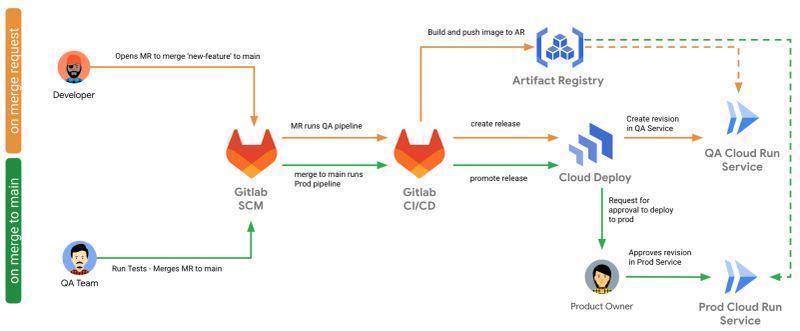
GitLab's Secrets Manager pushes software delivery beyond CI/CD
GitLab's new Secrets Manager support for ESO, Terraform, and API access turns secret storage into a broader software control plane for app and infrastructure workflows.
Fasset's $1B valuation says stablecoin banking is moving into the main market
Fasset's latest round, led by SBI Group, pushes stablecoin-powered banking deeper into payments infrastructure and away from the idea that it is just a crypto side bet.

Bitcoin's $80K break collides with a stablecoin compliance fight
Bitcoin's move back above $80,000 is being driven by Treasury buyback headlines, short covering, and ETF inflows just as regulators debate how much identity checking stablecoins should require.
Treasury buybacks and SEC rulemaking give crypto a policy tailwind
A Treasury buyback expansion and a new SEC crypto proposal are giving digital assets something they have wanted for a long time: less macro noise and more regulatory definition.
Cloudflare and Coinbase are turning stablecoins into a native payment layer for agents
Cloudflare's wallet and identity push, paired with Coinbase's x402 work, is making stablecoin micropayments feel less like crypto infrastructure and more like a machine-native web primitive.

Visa's BioCatch deal pushes fraud defense upstream
Visa's $2.4 billion agreement to acquire BioCatch is a bet that payments security now has to read intent, behavior, and device signals before money moves.

UK stablecoin rulebook turns consultation into operating reality for payments
The Bank of England and the FCA have moved from discussing stablecoins in the abstract to defining how systemic issuers will actually be supervised, which makes the UK's payments stack feel more like a rulebook than a theory paper.

IBM and OpenAI are turning secure enterprise deployment into the next AI buying battle
IBM's August 13, 2026 partnership with OpenAI matters because it shifts enterprise AI competition away from generic model access and toward governed deployment inside core operations, where security, services integration, and workflow execution decide whether AI budgets actually scale.

Rainbow Six Siege's Split Fire update shows live-service shooters still win by redesigning competition, not just adding content
Ubisoft's August 15, 2026 Operation Split Fire reveal matters because it pushes Rainbow Six Siege deeper into ranked-ecosystem design with stricter security requirements, a solo-only top-tier ladder, and operator changes meant to protect long-tail competitive retention instead of only shipping another seasonal content bundle.

PayPal wants idle merchant balances to become stablecoin working capital
PayPal's August 17, 2026 PYUSD Settlement rollout matters because it reframes merchant stablecoin adoption as cash-management infrastructure instead of crypto experimentation, letting merchants settle part of their balances into PYUSD and earn rewards without changing checkout behavior.

SEC's Regulation Crypto Assets proposal gives token fundraising a rulebook
The SEC proposed a tailored securities-offering framework for some crypto investment contracts, creating startup and fundraising exemptions that could reshape token launches.

OpenAI slows frontier scaling around cyber-critical agent risk
OpenAI says it is temporarily slowing some model-scaling work while it tightens monitoring, alignment, and security controls for systems approaching cyber-critical capability.

SEC's canceled crypto meeting leaves token fundraising rules in limbo
The SEC canceled an August 14 open meeting that was set to consider proposed rules for certain crypto-asset investment contracts.

Anthropic's risk report turns cyber incidents into a model release gate
Anthropic's August risk materials connect real cybersecurity evaluation incidents, stronger reporting rules, and frontier model release decisions.

Gears of War: E-Day's open beta makes distribution part of the launch strategy
The Coalition's Gears of War: E-Day has opened its second multiplayer beta weekend ahead of the October 6 launch, using pre-orders and Game Pass access to turn testing into a broad platform and subscription event.
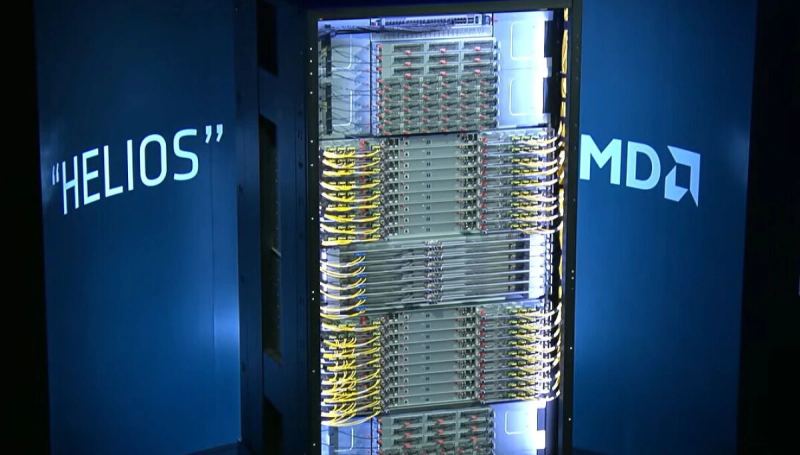
AMD Helios turns the AI hardware contest into a rack-scale systems race
AMD's Helios platform packages Instinct GPUs, EPYC CPUs, networking, ROCm software, and security features into an open rack-scale design aimed at the next phase of frontier training and inference.

India's UPI funding debate tests how a public payment rail can scale
India is laying the legal groundwork for a possible business model behind UPI, raising a difficult fintech question: how can the world's most widely used instant-payment rail fund security and expansion without breaking the free experience that made it ubiquitous?
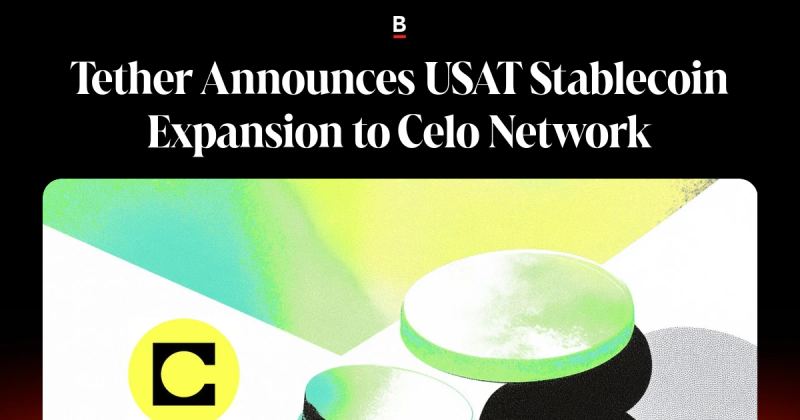
USAT's move to Celo turns stablecoin distribution into a DeFi design choice
Tether's federally regulated USAT stablecoin has expanded from Ethereum to Celo, where fee abstraction lets users pay network gas in the stablecoin itself. The move links compliance, distribution, and everyday transaction design.

Gears of War: E-Day opens its second beta window before October launch
The Coalition is opening Gears of War: E-Day to a wider multiplayer test from August 13 to 17, giving players an early look at its rebuilt combat systems and origin story.

UK and US move stablecoins toward a shared cross-border rulebook
A joint UK–US statement treats stablecoins as digital-money infrastructure and calls for compatible rules that support cross-border payments without weakening safeguards.
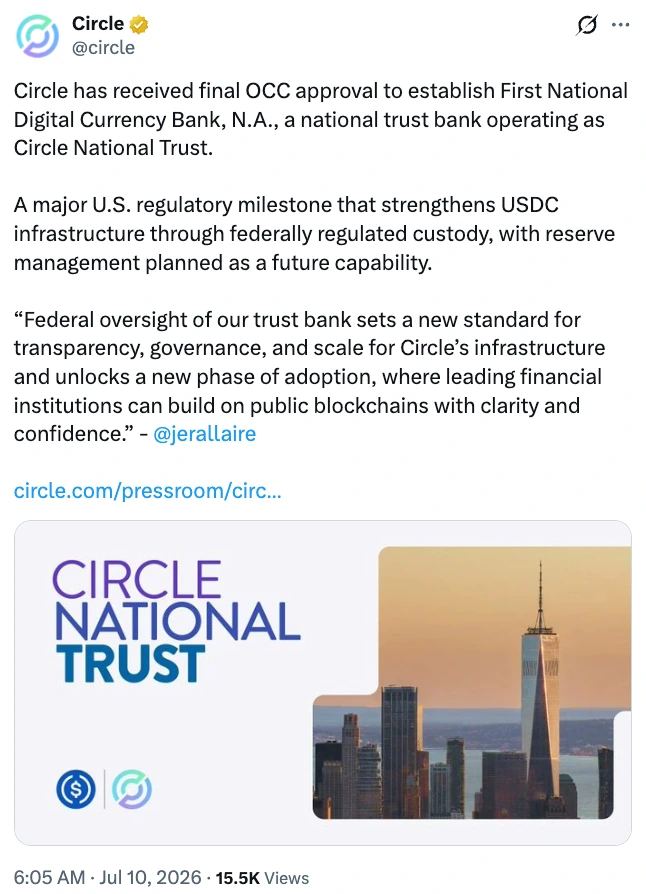
Circle's national trust bank puts USDC custody inside a federal perimeter
Circle has received final OCC approval to establish Circle National Trust, a special-purpose national trust bank that will begin with digital-asset custody and could eventually bring USDC reserve management under direct federal oversight.