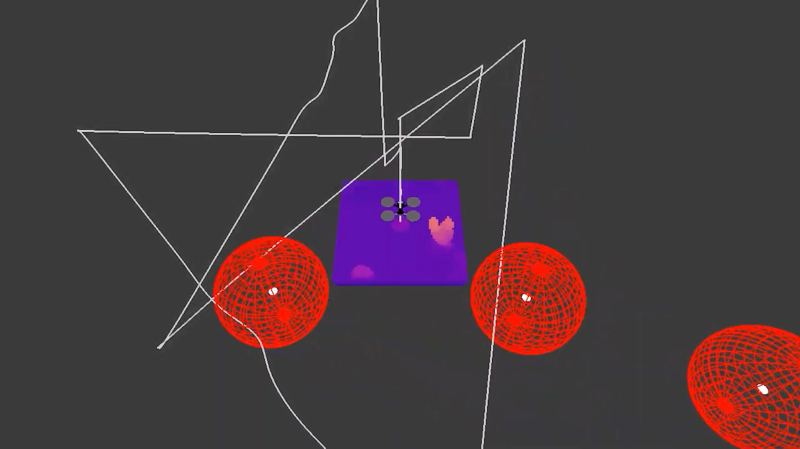
Skydio's multi-drone control stack says autonomous airspace advantage will come from coordination software, not more pilots
Skydio's May 11, 2026 engineering update matters because it shows the drone industry's next scaling problem is not simply airframe quality; it is how one operator, cloud control plane, and autonomy stack can safely coordinate many drones in the same operational environment.

Mastercard says agentic commerce will be won by trust rails, not just payment rails
Mastercard's May 26, 2026 push around agentic commerce matters because it shows fintech's next control point may sit above checkout, where merchants, issuers, and AI agents need shared identity, consent, and governance before autonomous transactions can scale.
Red Cat's Quaze deal says the drone stack is widening from airframes and autonomy into wireless power
Red Cat's May 20, 2026 acquisition of Quaze Technologies matters because it targets a practical bottleneck in unmanned operations: keeping drones and autonomous systems powered without slowing missions down with manual charging.
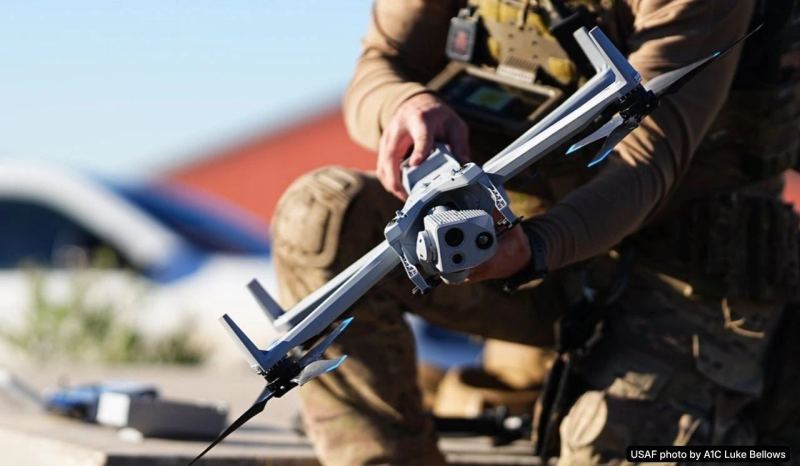
Skydio's expanded Air Force EOD deal says drone autonomy is graduating from tactical demo to standard-issue mission gear
Skydio's May 14 and April 24, 2026 announcements matter because the company's X10D expansion and domestic manufacturing push show autonomous drones becoming scaled operational equipment rather than experimental defense add-ons.
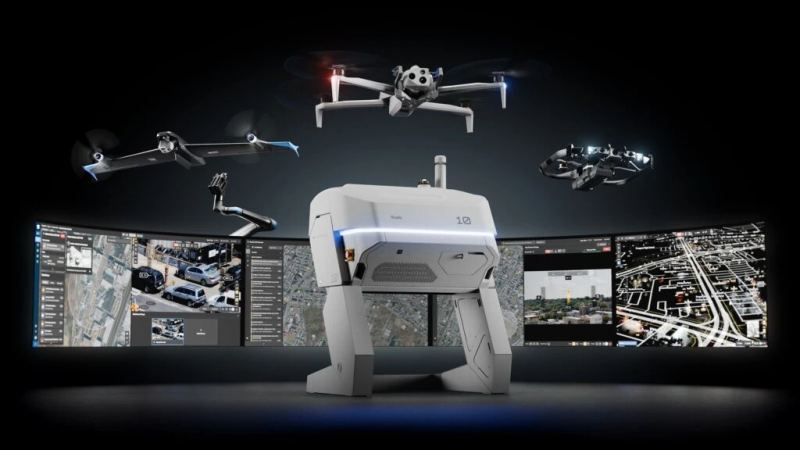
Skydio's multi-drone stack says autonomous airspace coordination is becoming infrastructure, not a one-pilot workflow
Skydio's May 2026 push around multi-drone airspace management matters because the commercial drone market is moving from individual aircraft operation toward coordinated fleets, deconfliction, and software-defined airspace control.
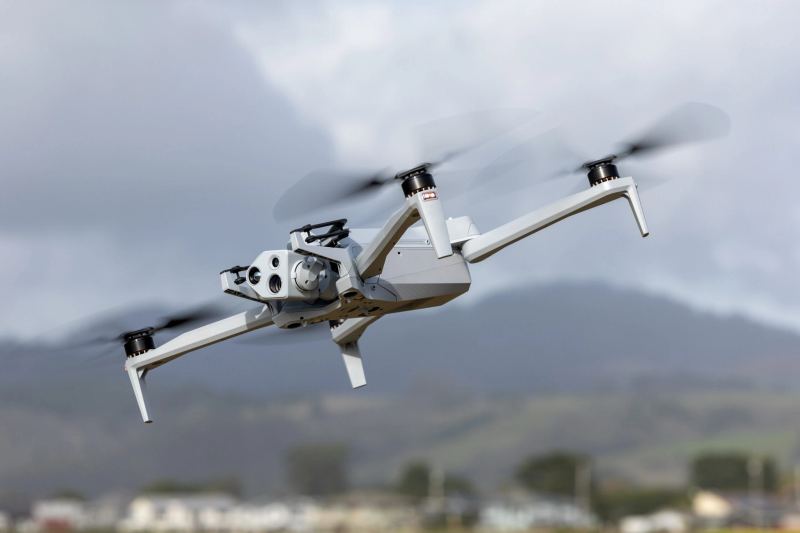
Skydio's X10D expansion shows military drone value is shifting from procurement counts to autonomous mission fit
Skydio's May 14 Air Force contract expansion matters because it shows autonomous drones winning not on generic flight claims but on mission-specific fit for hazardous EOD and ISR work.
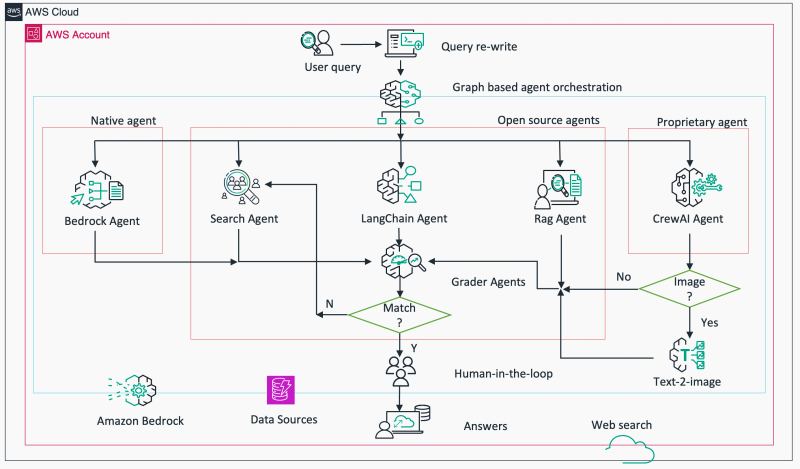
Stripe and AWS are turning agent payments into infrastructure instead of bespoke crypto plumbing
Stripe's May 7 partnership with AWS AgentCore matters because it packages wallets, spending controls, and stablecoin settlement into a managed payment layer for autonomous software agents.

Zipline is proving that drone delivery becomes infrastructure only when the aircraft fade into the background
Zipline's 2026 delivery and acoustic updates matter because they show the next robotics bottleneck in drone logistics is community-compatible operations, not simply adding more autonomous flight capability.
Coinbase wants branded stablecoins to become the default money rail for apps, platforms, and AI agents
Coinbase's custom stablecoin push matters because it shifts the market from trading tokens toward distributing programmable dollar rails that businesses and autonomous agents can actually use at scale.
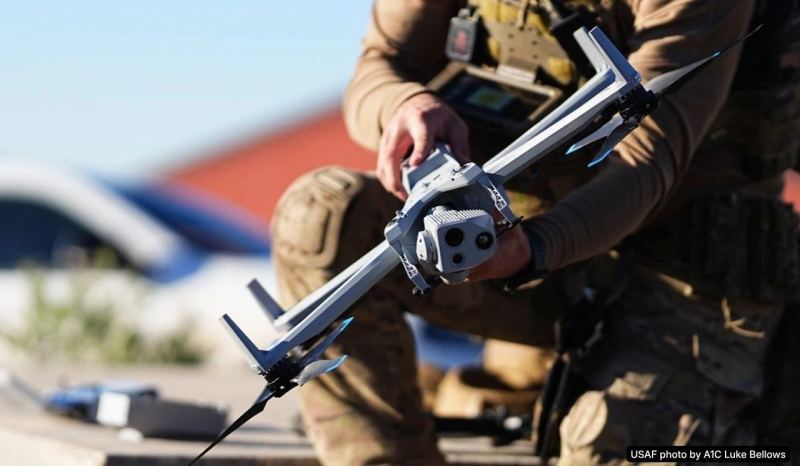
Skydio's latest Air Force award says drone advantage is shifting from procurement wins to mission workflow lock-in
Skydio's May 14, 2026 Air Force X10D EOD expansion shows the U.S. drone market rewarding autonomous systems that fit hazardous mission workflows, not just aircraft specifications or domestic-manufacturing slogans.

Cloudflare's Agent Cloud expansion says the software fight is shifting from coding agents to where agents actually live
Cloudflare's April 13, 2026 Agent Cloud expansion and its surrounding developer-platform updates suggest the software market is moving from toy agent demos toward runtime, isolation, and network-native infrastructure for long-running autonomous services.
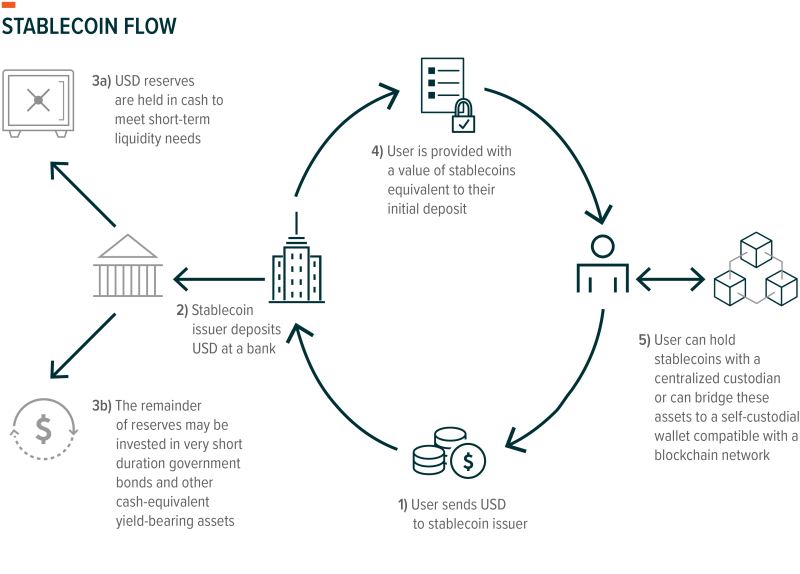
Circle's Agent Stack launch says stablecoins are becoming operating rails for software, not just assets for traders
Circle's May 11, 2026 Agent Stack rollout packages wallets, nanopayments, service discovery, and machine-speed settlement into an explicit stablecoin infrastructure play for autonomous software.
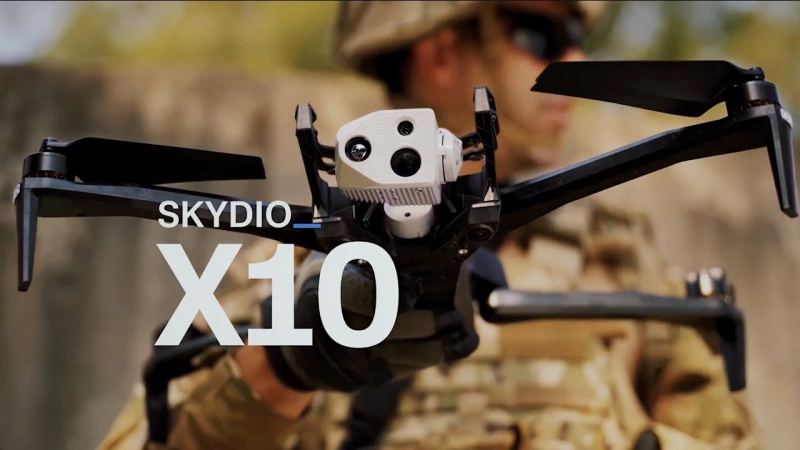
Skydio's manufacturing push says the drone market is becoming an industrial-capacity race
Skydio's $3.5 billion domestic expansion plan and fresh Series F funding show that autonomous drone competition is shifting from clever demos toward scale, supply chains, and national industrial positioning.

MicroVision and Avular tie lidar to drone autonomy for infrastructure missions
A new MicroVision-Avular memorandum of understanding targets lidar-equipped autonomous drone systems for mapping, navigation and infrastructure work in GPS-denied and complex environments.

Red Cat's quarter says drone-defense winners will be the companies that turn battlefield demand into manufacturing breadth
Red Cat reported first-quarter 2026 results on May 7 showing 849% revenue growth alongside new NATO and Asia-Pacific orders, a swarm-robotics acquisition, and expanded maritime manufacturing plans. The deeper takeaway is that the drone market is consolidating around companies that can combine combat iteration, autonomous control software, and production scale.

Teradata's Autonomous Knowledge Platform says enterprise software is being rebuilt for always-on agents, not dashboard users
Teradata unveiled its Autonomous Knowledge Platform on May 7, 2026 as a unified environment for AI, analytics, and enterprise data across cloud, on-premises, and hybrid deployments. The deeper software signal is that vendors now believe always-on agents need a different product shape than the dashboard-and-query systems built for human operators.

Micropolis' EMSTEEL deployment says industrial robotics demand is moving toward dirty, repetitive logistics work
Micropolis AI Robotics announced on May 7, 2026 that it signed a $1.2 million deployment agreement with EMSTEEL for autonomous logistics robots. The bigger signal is that robotics adoption keeps advancing where labor is repetitive, environments are physically demanding, and customers care more about throughput and safety than about humanoid spectacle.
Sysdig's headless cloud security launch says enterprise software is being rebuilt for agent-to-agent operation
Sysdig announced on May 6, 2026 that it introduced what it called the industry's first headless cloud security platform built for AI agents. The significance is not the branding alone. Software vendors are increasingly redesigning core products so security, policy, and telemetry can be consumed directly by autonomous systems and coding agents rather than by humans staring at dashboards.
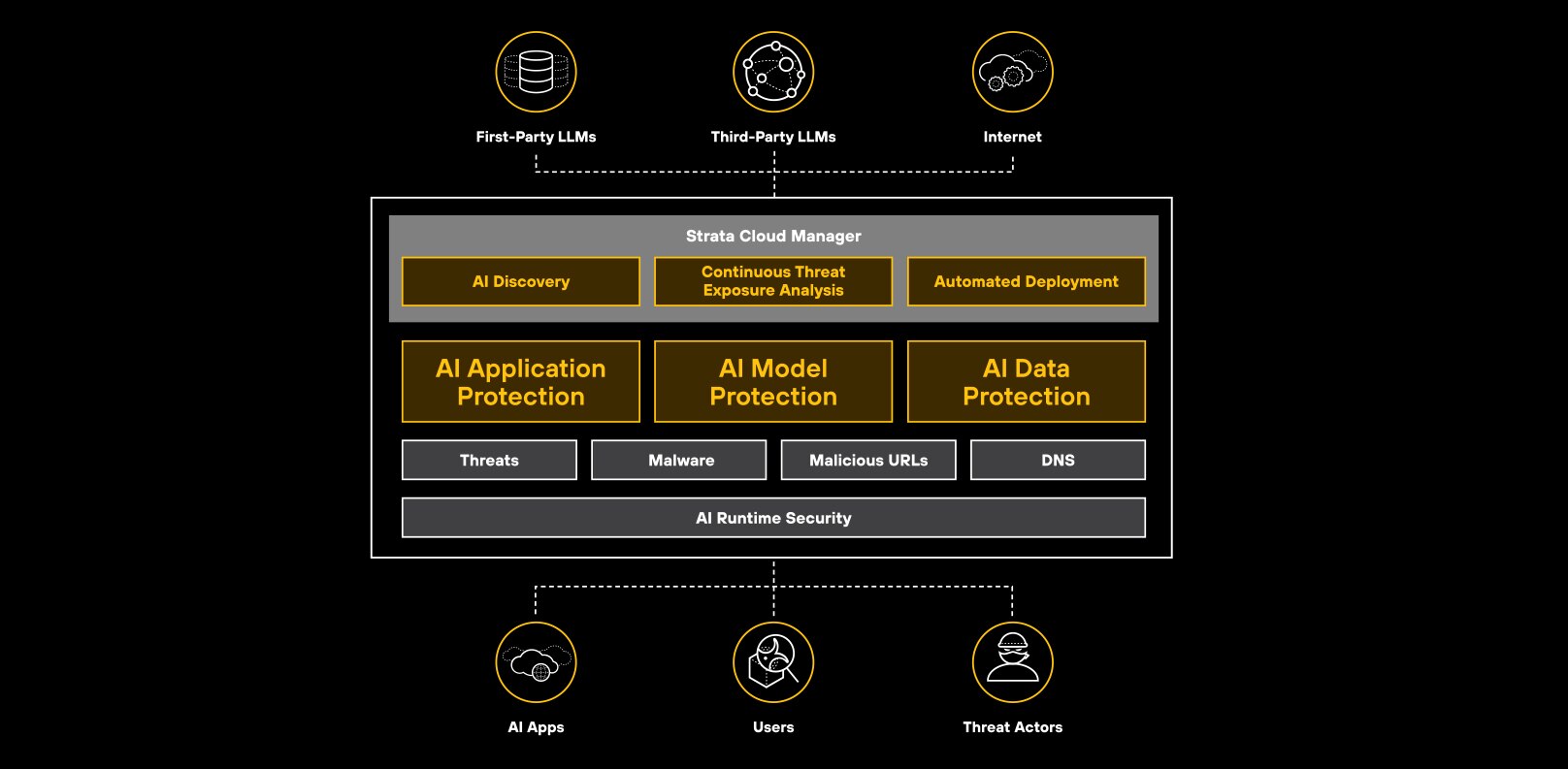
Cognizant's Secure AI Services launch says enterprise AI is becoming a runtime security market
Cognizant's May 7, 2026 launch of Secure AI Services matters because large enterprises are moving beyond pilots into agentic systems that touch live workflows, data, and identities. The commercial opening is no longer only about better models. It is about whether companies can secure and govern autonomous AI in production well enough to pass audit, compliance, and operational trust tests.

AEVEX's IPO shows defense-drone scale is becoming a public-markets story
AEVEX Aerospace's IPO filing matters because it reframes military drone and autonomy suppliers as investable operating platforms rather than niche defense subcontractors. As demand for ISR, attritable systems, and autonomous mission tooling rises, the drone market is starting to look large and durable enough for public-capital scrutiny.
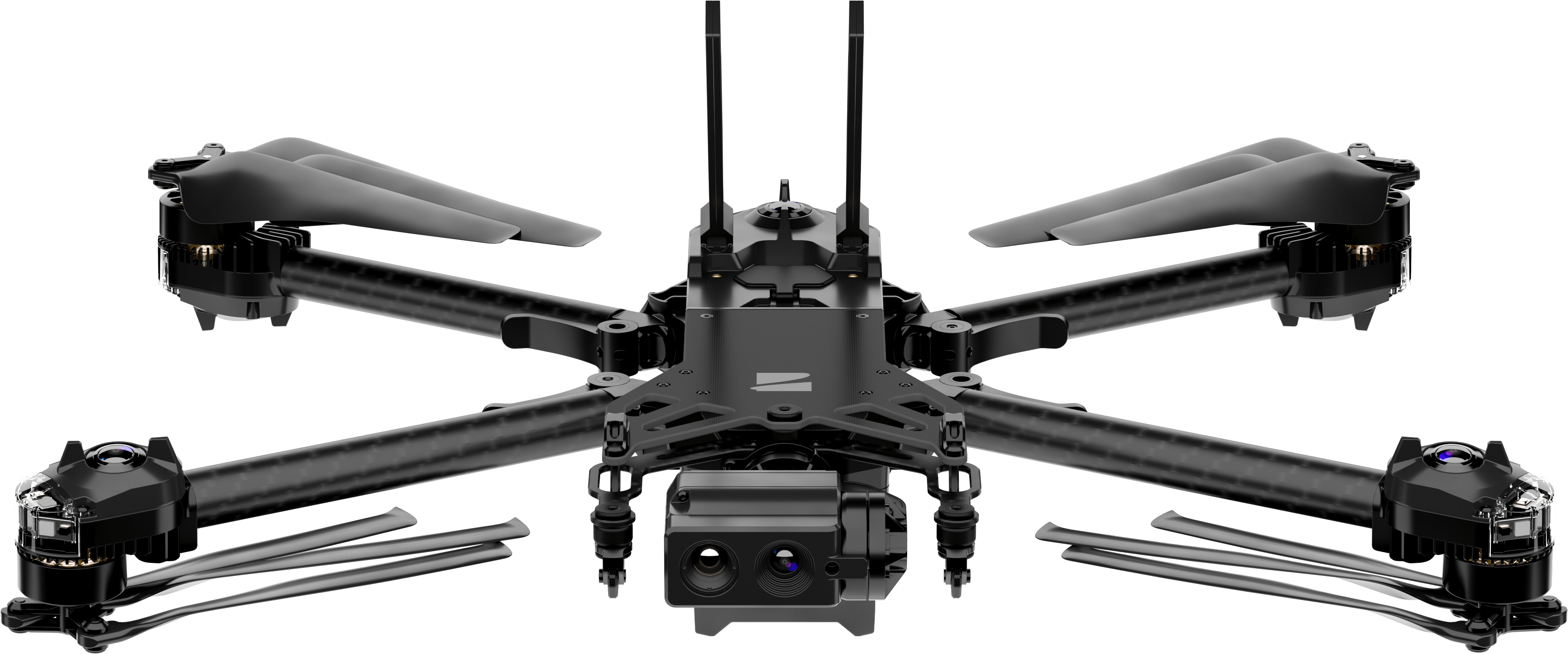
Skydio's $3.5 billion plan says drone autonomy is becoming a manufacturing and supply-chain race
Skydio's late-April announcements make a bigger point than one company expansion story. In drones and robotics, the contest is moving from clever demos to secure supply chains, domestic manufacturing depth, and the ability to scale autonomous systems for public safety, utilities, and defense.