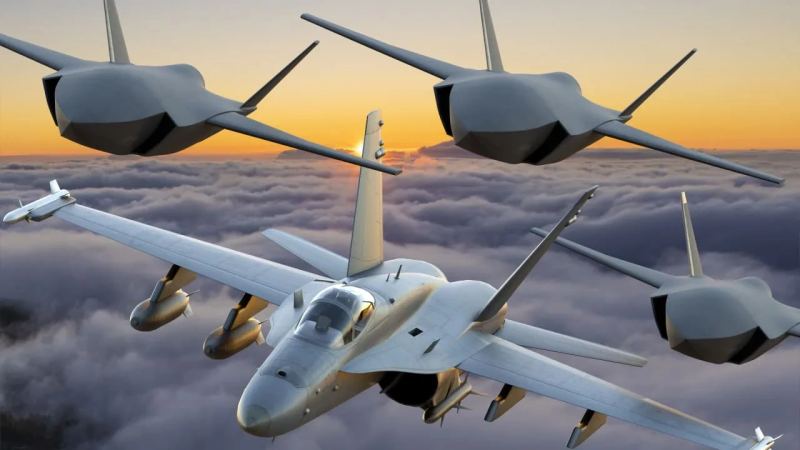
Farnborough's drone deals show loyal-wingman aircraft moving from concept to procurement
Defense announcements at Farnborough put autonomous aircraft, loyal wingman drones, heavy-lift systems, and drone-carried weapons at the center of procurement planning.
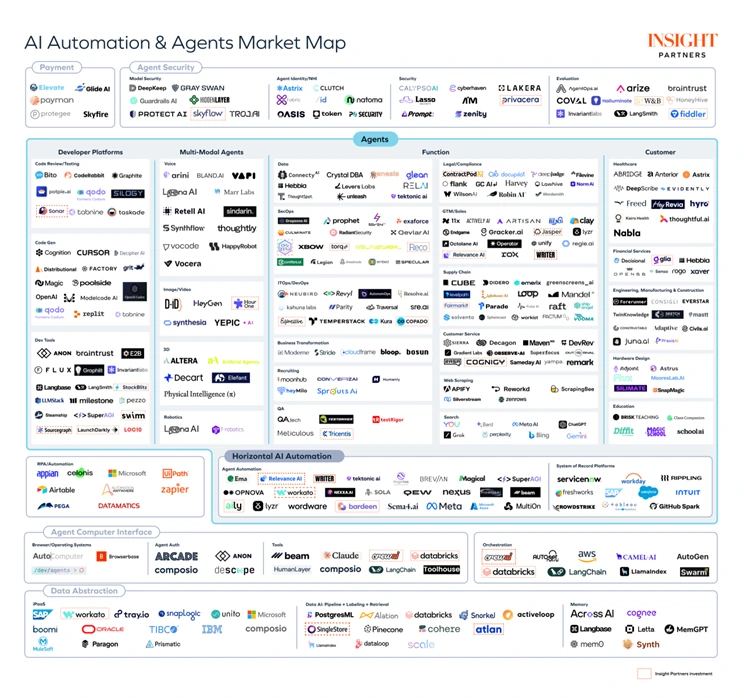
Natural's $30 million round puts AI-agent payments on the fintech roadmap
Natural's Series A shows investors treating AI-agent commerce as a payments infrastructure problem: authorization, merchant trust, user limits, and transaction records must work before autonomous shopping can scale.
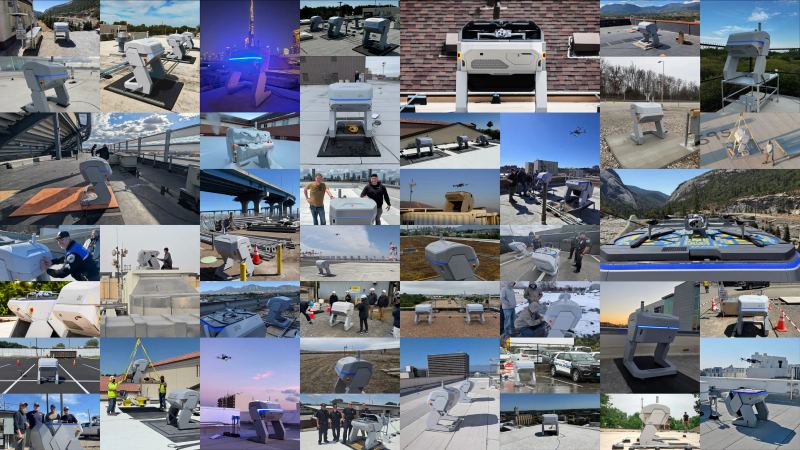
Skydio crossing 1,000 Docks shows autonomous drones are becoming deployed infrastructure
Skydio says 1,070 Docks and more than 4 million flights are now live across public safety, infrastructure and defense, marking a scale milestone for remote drone operations.
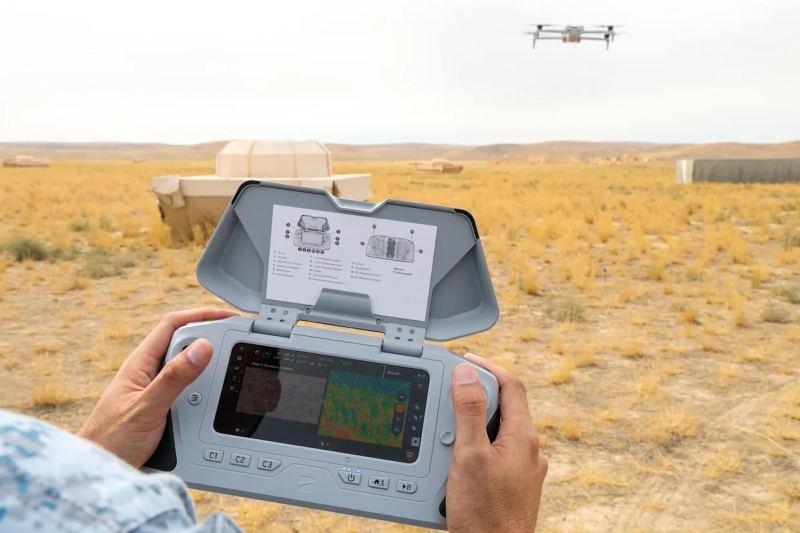
Skydio passing 1,000 deployed docks shows autonomous drones are becoming field infrastructure
Skydio says 1,070 Docks are deployed across public safety, critical infrastructure and defense, with more than 4 million flights in the first year of commercial availability.
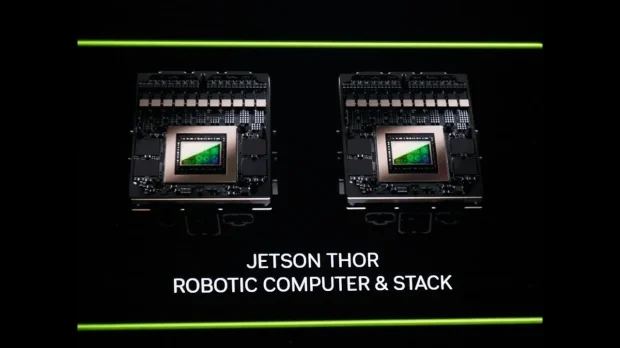
NVIDIA's new Jetson Thor rollout suggests robotics is entering a deployment era where the winners will be the platforms that compress world models, edge inference and safety tooling into smaller systems cheap enough to leave the lab and scale into ordinary machines
NVIDIA introduced new Jetson Thor T3000 and T2000 modules, agent skills for memory optimization and Cosmos 3 Edge support, aiming to make humanoid robots, autonomous machines and visual AI systems more deployable at the edge.

Firefly's decision to run NVIDIA Jetson in lunar orbit shows robotics and autonomous systems are moving toward a new frontier where sensing, inference and mission decisions happen at the edge instead of waiting on distant links and human review
NVIDIA says Firefly will use Jetson for Ocula moon-imaging inference in lunar orbit, while Firefly frames the service as part of a broader orbital data platform tied to Blue Ghost Mission 2 and future lunar mapping operations.
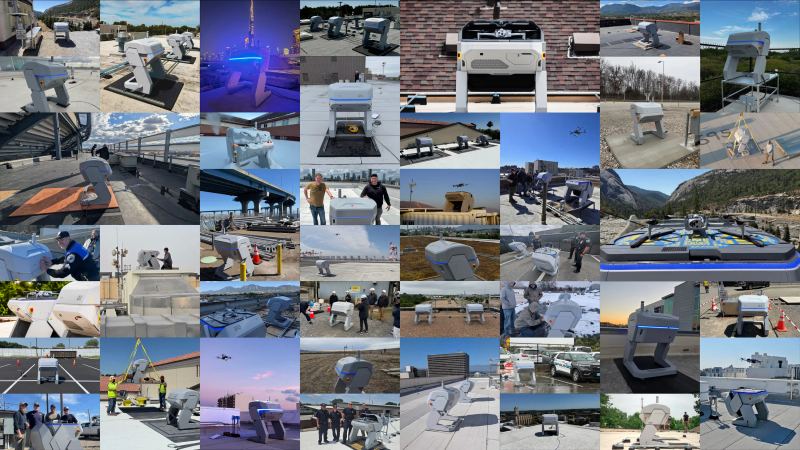
Skydio reaching 1,070 dock deployments suggests autonomous drones are finally being bought as infrastructure instead of occasional field hardware
Skydio's first-year dock milestone matters because it points to a labor and workflow shift in drone operations, where one operator can increasingly manage persistent autonomous missions instead of flying one aircraft at a time.
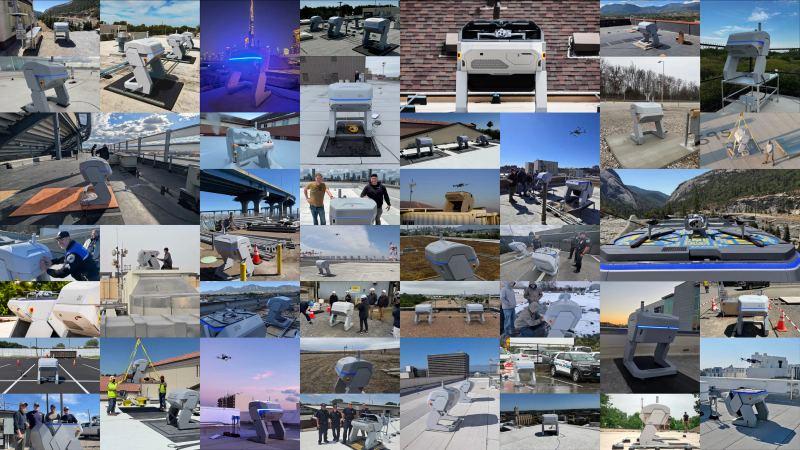
Skydio's first 1,000 dock deployments suggest drone autonomy is finally becoming infrastructure instead of a pilot-heavy demo
Skydio's first-year dock milestone matters because autonomous drones only become economically meaningful when one operator can manage persistent missions at scale across public safety, infrastructure, and defense workflows.

Circle's Agent Stack shows crypto rails are chasing agent-to-agent commerce now, not just another speculative token cycle
Circle's Agent Stack matters because it packages wallets, payments, service discovery, and programmable USDC flows into a practical toolkit for autonomous software, which is a more concrete crypto narrative than broad claims about onchain finance changing everything.
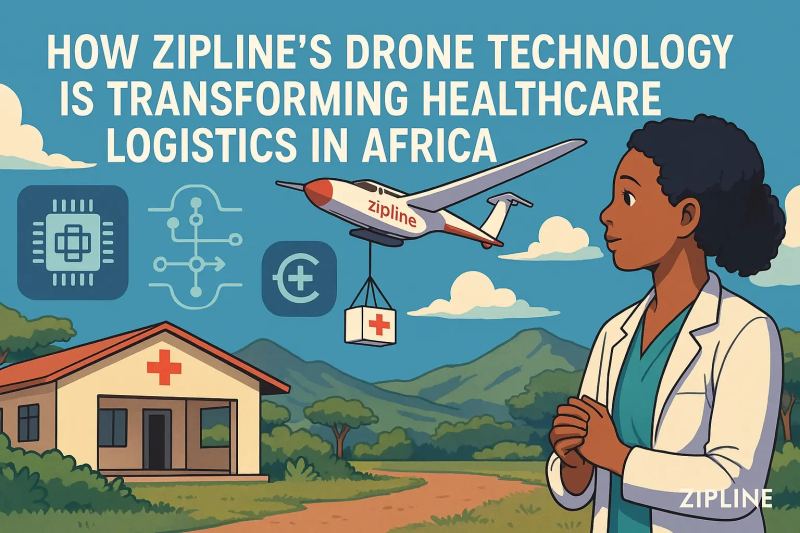
Zipline's new Africa research says drone logistics become real infrastructure when outcomes show up in farms, clinics, and household income
Zipline's latest Africa research argues that autonomous delivery is now measurable public infrastructure, with evidence spanning healthcare, agriculture, and local economic activity.
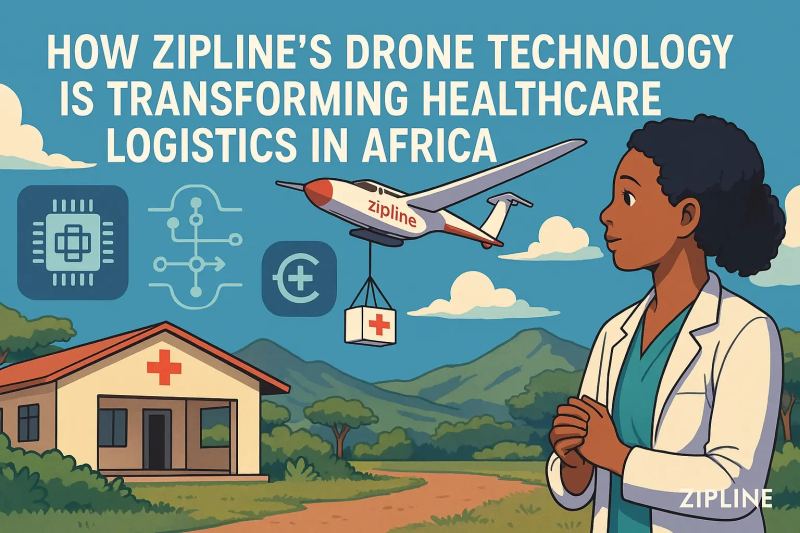
Zipline's new Africa research says drone logistics become real infrastructure only when they lift health and household income together
Zipline's June 10 research update argues that autonomous delivery matters less as an aviation novelty and more as infrastructure that can improve nutrition, farm returns, and local income in parallel.
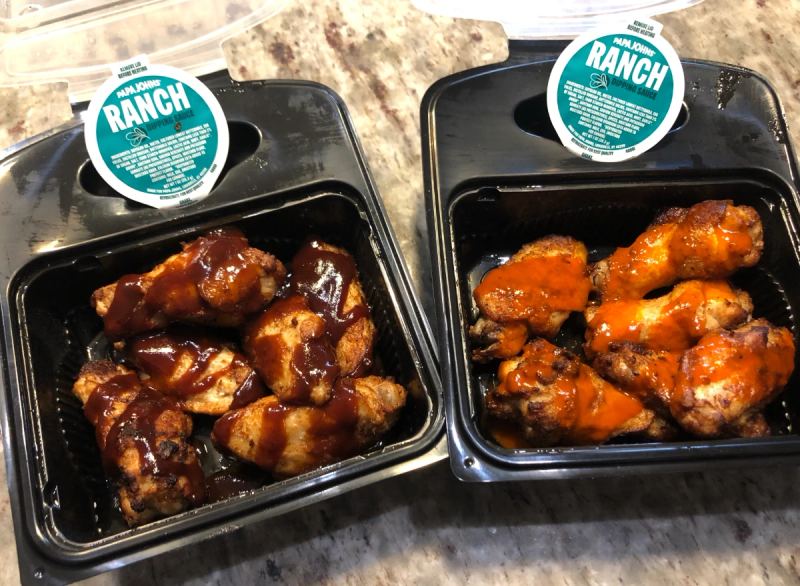
Wing's Papa Johns partnership says autonomous delivery becomes real only when drones, packaging, and agentic ordering all work as one system
Wing's May 11, 2026 Papa Johns pilot and its broader 2026 expansion updates show that drone delivery is maturing from a flashy aviation demo into an operational stack that combines routing, packaging, app integration, and AI-assisted ordering.

Coinbase for Agents says crypto accounts want to become execution wallets for autonomous software, not just trading apps
Coinbase's June 11, 2026 launch of Coinbase for Agents and its June 16 system update point to a bigger crypto ambition: turn exchange accounts into permissioned operating wallets that software agents can use to trade, pay, and execute tasks under user-set limits.

Coinbase's latest agent push says crypto's next real battle is becoming the payment and permission layer for autonomous software
Coinbase's June 9 to June 15 product sequence around Payments, Agents, and AWS-backed x402 support suggests crypto firms are trying to turn stablecoins and wallets into the default operating rails for machine-to-machine commerce.

Mastercard's Agent Pay for Machines says the next payments network battle is over always-on autonomous commerce
Mastercard's June 10 launch of Agent Pay for Machines shows the fintech race moving beyond checkout UX toward the credentialing, control, and settlement infrastructure needed for machine-to-machine commerce.
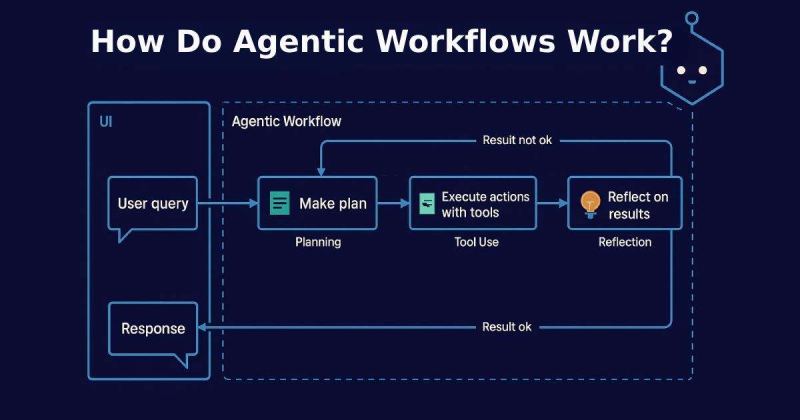
GitHub's Agentic Workflows preview says software teams want governed autonomous work, not just smarter coding chats
GitHub's June 11 public preview of Agentic Workflows, combined with new context-window and reasoning controls, shows enterprise software moving toward managed fleets of coding agents inside existing CI policy boundaries.
NVIDIA and SK hynix are treating memory supply as the control plane for the AI factory boom
NVIDIA's June 7 multiyear pact with SK hynix suggests the next hardware bottleneck in AI is not only GPUs, but the codeveloped memory, simulation workflows, and autonomous fab operations needed to keep AI factory growth on schedule.

Visa's OpenAI tie-up says fintech is moving from payment APIs to trust layers for autonomous checkout
Visa's June 10 announcements around OpenAI, agent scoring, registries, and intelligent commerce show that the next fintech battleground is not just moving money, but defining the trust, credential, and risk systems that let AI agents buy safely on behalf of users.
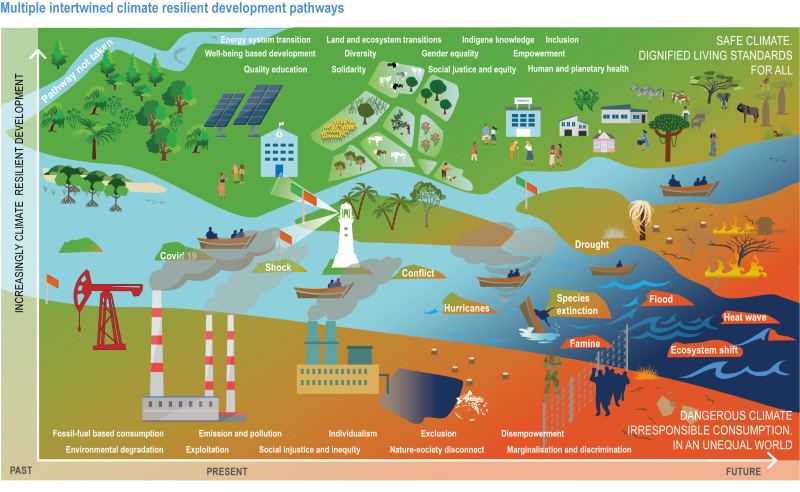
Qualcomm's Edge Alert Sentinel says robotics is spreading from factory floors into climate response infrastructure
Qualcomm's new Edge Alert Sentinel collaboration shows autonomous systems are becoming field-deployed environmental infrastructure, mixing sensing, edge inference, and aerial inspection into one real-time response layer.
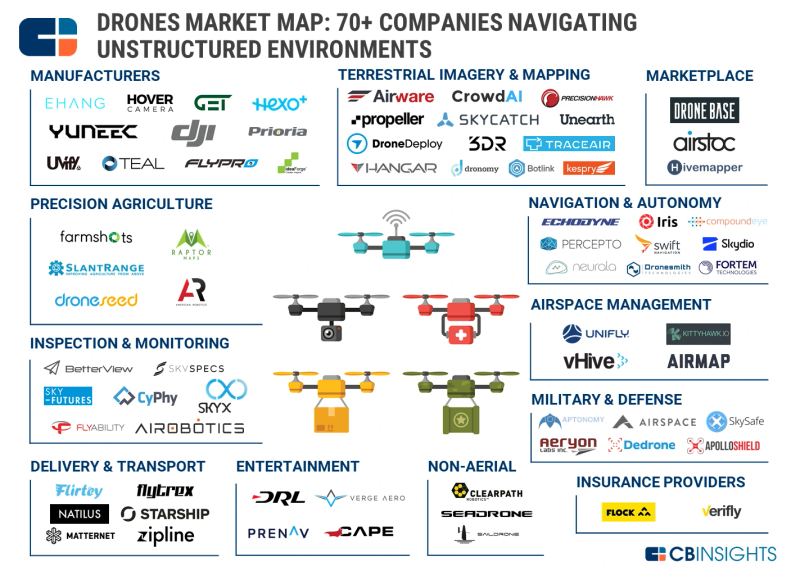
Skydio's manufacturing expansion and multi-drone control work say the drone market is maturing from hardware procurement toward always-on autonomous infrastructure
Skydio is pairing large-scale US manufacturing investment with cloud-coordinated multi-drone autonomy, a sign that commercial drone competition is moving toward infrastructure density and operational software.
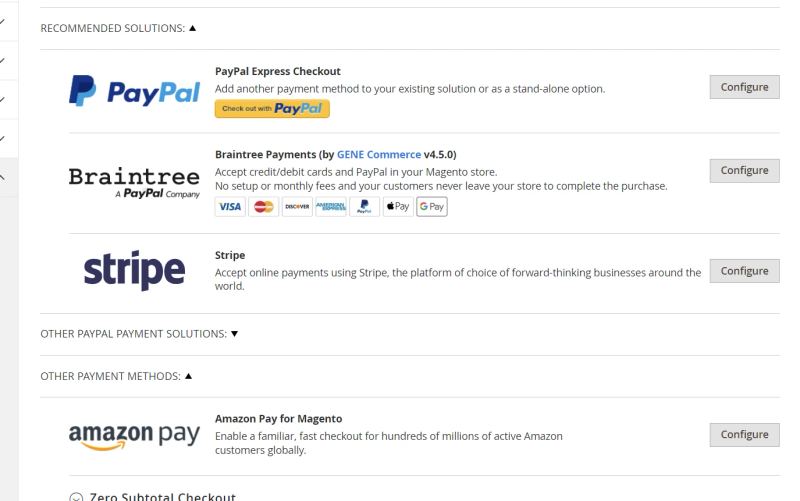
Stripe's AgentCore payments tie-up says fintech is being rebuilt for machine customers, not only human checkouts
Stripe's May 7, 2026 AgentCore payments partnership with AWS matters because it turns wallet authentication, payment execution, and spending controls into infrastructure for autonomous software agents.

Circle's Agent Stack says crypto is trying to become financial infrastructure for autonomous software, not just a settlement rail for humans
Circle's May 11, 2026 Agent Stack launch matters because it pushes stablecoin infrastructure beyond merchant checkout and toward permissioned agent wallets, programmable payments, and machine-native financial operations.
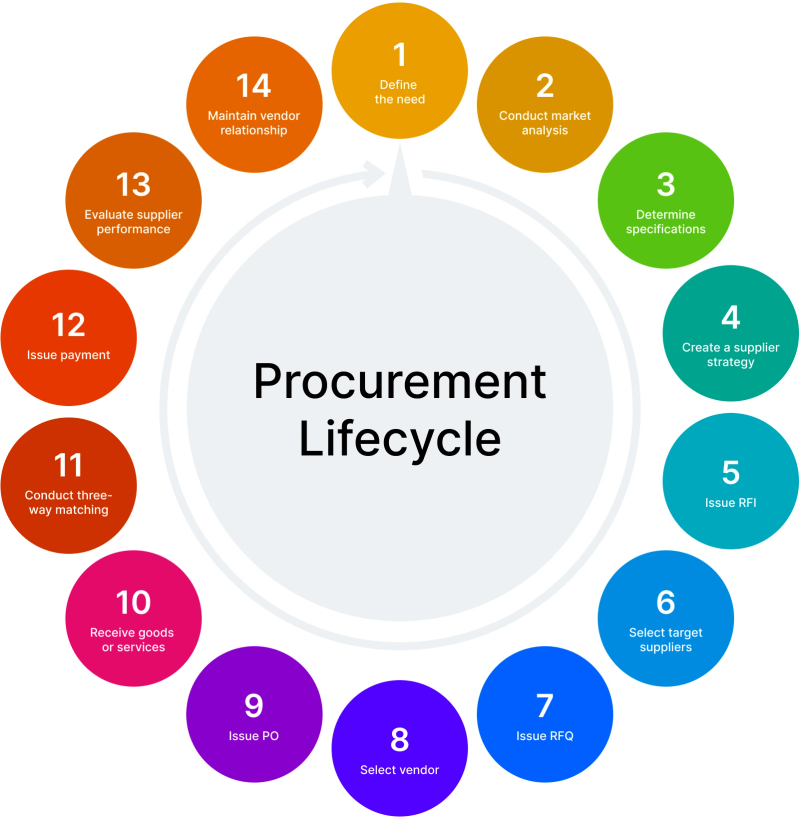
Perennial's $500 million contract says drone defense is becoming a procurement category, not a lab experiment
Joint Interagency Task Force 401 and Perennial Autonomy disclosed a $500 million counter-UAS contract in May 2026, which matters because it suggests cheap autonomous interceptors are moving from urgent battlefield improvisation into repeatable U.S. defense procurement logic.
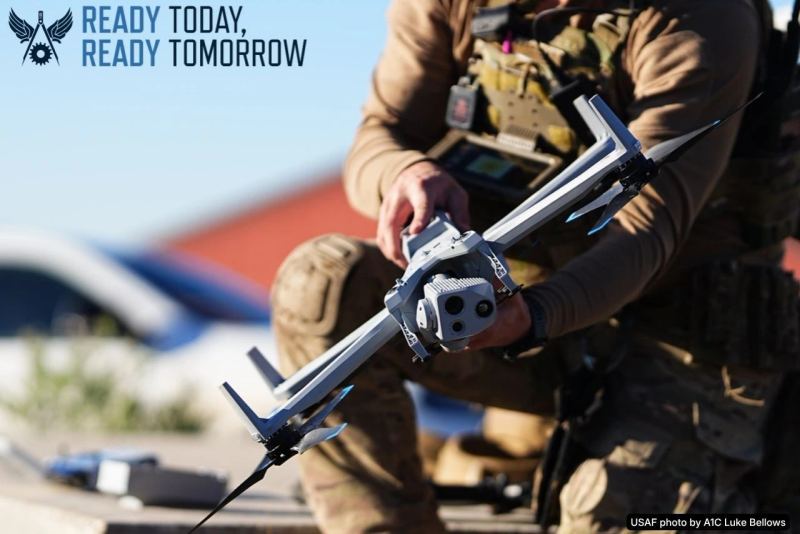
Skydio's expanded Air Force X10D order shows defense drone demand is moving from trial to program
Skydio's May 14, 2026 follow-on Air Force order matters because it suggests the U.S. military is treating compact autonomous drones less as experiments and more as repeatable field programs tied to EOD, ISR, and base-security workflows.