
The ECB's decision to bring 36 payment providers into its digital euro pilot shows Europe is no longer debating a retail CBDC in the abstract and is now testing whether a central-bank payment rail can fit inside everyday fintech distribution
The European Central Bank has selected 36 payment service providers for a 12-month digital euro pilot scheduled to begin in the second half of 2027, turning the digital euro from policy theory into an operational test of how public money might coexist with private payment platforms.

Visa's latest economic and product signals suggest fintech is entering a phase where AI commerce, token rails and business investment discipline are converging into one contest over who controls the trusted transaction layer
Visa's midyear economic outlook says AI, clean energy and strategic-industry investment are helping offset consumer strain, while its product announcements add token and AI-commerce capabilities to that macro thesis.

Visa's OpenAI partnership shows agentic commerce is moving from demo theater into real payment infrastructure with token controls, fraud checks and merchant acceptance rails
Visa's June 10 partnership with OpenAI matters because it brings payment credentialing, tokenization and policy controls directly into the emerging agentic-commerce stack.

Sony's PS3 and PS Vita store shutdown plan shows the games business is not just going digital, it is shedding old commerce systems that no longer fit modern payment and platform economics
Sony's July 1 PlayStation Store update matters because it ties legacy-store shutdowns directly to payment-system modernization and the broader move away from physical and older platform commerce.

Adyen closing Orb and Talon.One says fintech platforms want to own billing and incentives, not just payments
Adyen's July 1 close of its Orb and Talon.One acquisitions matters because it expands the company's role from transaction processor toward the revenue operating stack for software and enterprise merchants.

Cloudflare is trying to turn stablecoin payments into default internet plumbing for APIs, agents, and MCP tools
Cloudflare's Monetization Gateway matters because it treats stablecoin settlement and x402 not as a crypto side project, but as infrastructure for charging machines and agents by the request.
PayPal joining the European Payments Council shows the next payments battle in Europe is over rail access, not just wallets
PayPal's entry into the European Payments Council matters because it gives the company a more direct seat inside the governance and standards machinery shaping SEPA, instant payments, interoperability, and fraud controls across Europe.
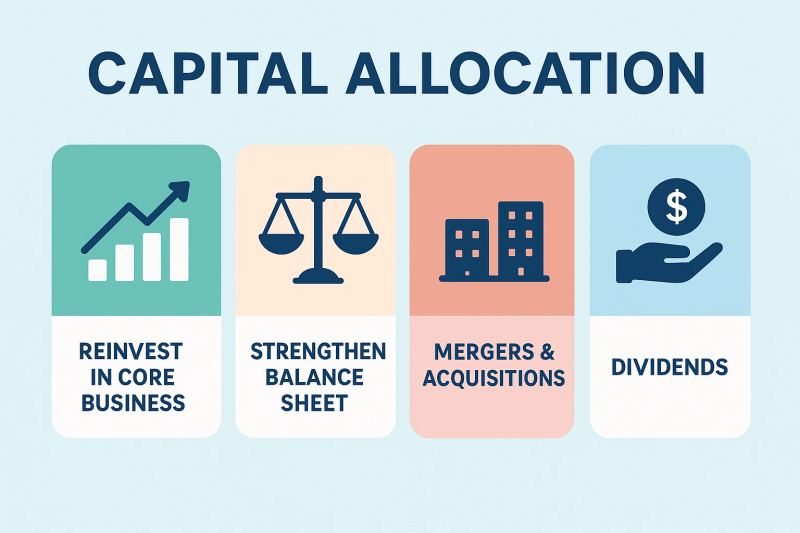
Visa's midyear outlook says fintech's real macro power is becoming price discovery and capital allocation, not checkout novelty
Visa's June 30 global outlook matters because it argues digital commerce is no longer just a retail convenience layer: it is becoming an inflation buffer for households and a signal that AI-led business investment is reshaping how the global economy absorbs cost pressure.
PayPal joining the EPC says the next fintech battleground is standards power, not just checkout share
PayPal's entry into the European Payments Council matters because it gives the company a direct role in the rulemaking conversations around interoperability, instant payments, fraud prevention, and resilience that shape how European payment infrastructure evolves.
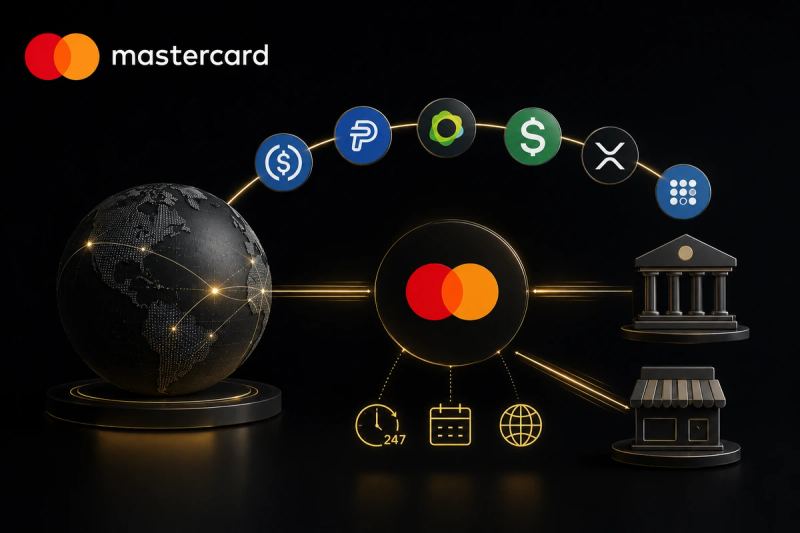
Mastercard's TIPS pilot says cross-border fintech is moving toward atomic settlement infrastructure, not prettier remittance fronts
Mastercard's participation in the Eurosystem-led TIPS cross-currency pilot matters because it points fintech competition toward direct infrastructure connectivity, atomic settlement, and regulated stablecoin flexibility rather than just better consumer-facing payment wrappers.

Cloudflare's Monetization Gateway says the agent web needs usage billing baked into the request path, not bolted onto it later
Cloudflare's new Monetization Gateway and x402 waitlist turn stablecoin micropayments into an application-layer primitive for APIs, pages, datasets, and MCP tools, suggesting the software stack for AI agents will need native metering and payment validation.

Adyen closing Talon.One and Orb says fintech platforms want to own merchant logic around the transaction, not just the payment itself
Adyen has now officially closed its Talon.One and Orb acquisitions, giving the company new control over promotions, loyalty, and billing layers that sit around payment acceptance and could make fintech competition look more like commerce operating-system competition.

Citi and SCB's 24/7 dollar clearing push shows fintech's real battleground is programmable bank money, not just faster apps
The Siam Commercial Bank's rollout with Citi Token Services matters because it brings near-real-time 24/7 USD clearing into a bank-grade flow, showing where institutional payments competition is heading next.

Stripe's Germany push shows fintech now wants to own AI-era commerce rails, not just checkout forms
Stripe's Berlin announcements matter because they extend payments infrastructure into agentic product discovery, treasury, and cross-border operating tools, turning the company from a checkout provider into a fuller commerce control plane for the AI economy.
Circle's Agent Stack shows crypto rails are chasing agent-to-agent commerce now, not just another speculative token cycle
Circle's Agent Stack matters because it packages wallets, payments, service discovery, and programmable USDC flows into a practical toolkit for autonomous software, which is a more concrete crypto narrative than broad claims about onchain finance changing everything.

BBVA and Visa's live agent payment test says fintech's next moat may be permissioned AI checkout, not a prettier wallet
BBVA's July 2 agent-initiated Visa payment matters because it shifts the AI-commerce debate toward bank-grade permissions, merchant trust, and delegated spending controls instead of pure shopping interface novelty.

Coinbase's UK MiFID approval shows fintech platforms want to collapse crypto, equities, and derivatives into one regulated account
Coinbase's July 7 UK MiFID announcement matters because it expands the company's "everything exchange" plan from crypto access into a broader regulated trading stack where payments, savings, derivatives, and equities live behind one login.
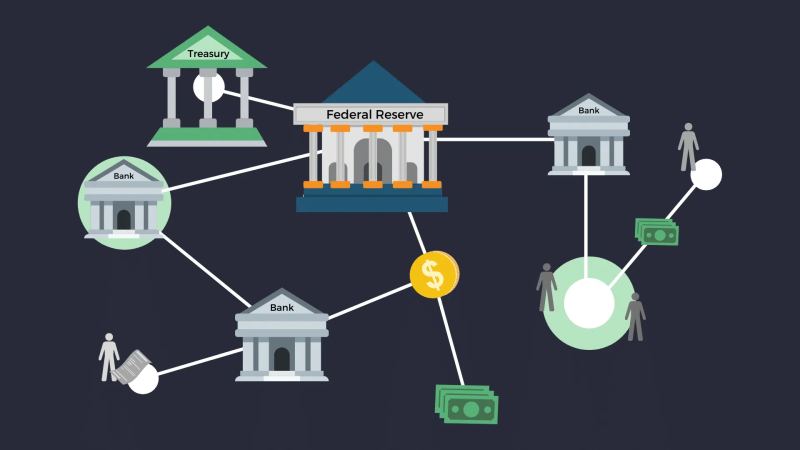
BBVA and Visa are turning agentic commerce from a concept deck into a bank-controlled payment flow
BBVA's July 2 test of what it calls the first AI agent-initiated transaction on Visa's Intelligent Commerce platform matters because it shows banks want delegated machine payments to stay inside regulated card and identity rails, not drift into a separate AI checkout stack.
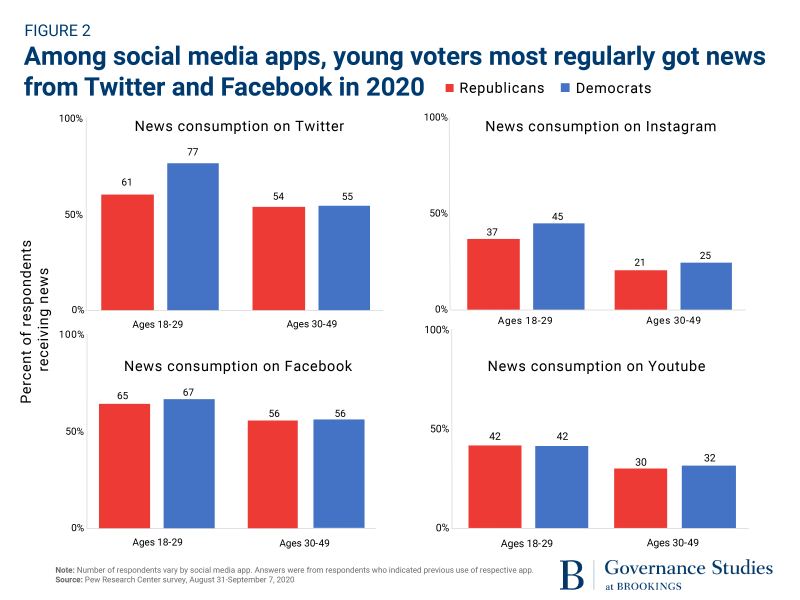
PayPal joining the EPC shows Europe's payments fight is increasingly about who gets influence over the rails beneath wallets and agentic commerce
PayPal's entry into the European Payments Council matters because it puts one of the world's largest digital-wallet operators closer to the rule-making layer for SEPA, instant payments, fraud controls, and interoperability just as AI-driven commerce starts to reshape checkout behavior.

Open USD shows the stablecoin battle is shifting from token issuance alone to partner economics, governance, and payment-network distribution
Open Standard's June 30 unveiling of Open USD matters because it reframes the stablecoin race around who shares reserve economics, who controls the roadmap, and which real-world payment networks are willing to distribute the asset.

Visa's OpenAI partnership says the next fintech platform fight is over which payment rails AI agents are allowed to trust
Visa's June 10 OpenAI partnership matters because agentic commerce stops being a concept slide once a global payment network starts binding identity, tokenization, and fraud controls to AI-driven transactions.
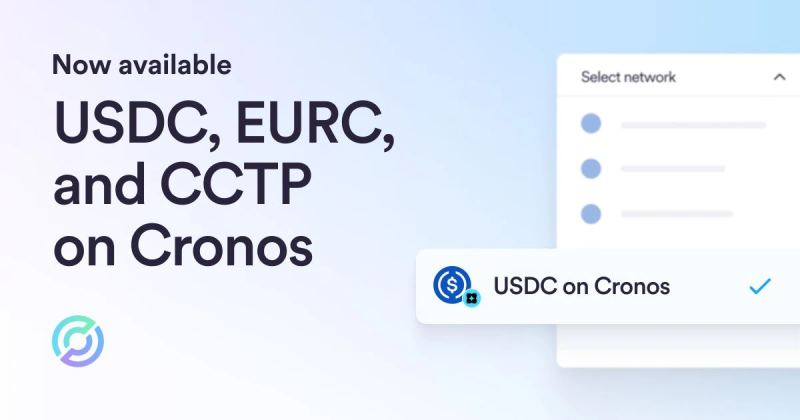
Circle bringing USDC, EURC, and CCTP live on Cronos shows the next crypto land grab is about making stablecoins usable across trading, payments, and agent software at once
Circle's July 1 Cronos rollout matters because it combines native USDC, EURC, and CCTP into a single interoperability package for trading, payments, DeFi, and agent-driven applications.

Stripe's AWS WAF integration turns fintech into machine-payments plumbing, because the web is starting to charge AI agents directly for access
Stripe's June 15 AWS integration matters because it brings structured machine payments to protected content and APIs, pushing fintech deeper into agent-to-service traffic.
PayPal joining the European Payments Council signals that the next fintech contest is over who gets to shape the rails beneath instant and interoperable commerce
PayPal's July 2 EPC membership announcement matters because it moves the company closer to the rule-setting layer of SEPA-era payments as Europe pushes harder on interoperability and real-time infrastructure.