
Visa layoffs put payments AI strategy under earnings pressure
Visa's plan to cut about 2,600 roles lands as payments networks face AI automation, stablecoin pressure and renewed investor scrutiny around growth.

PayPal earnings put the Stripe-Advent bid inside a turnaround test
PayPal beat Q2 expectations and raised guidance while its CEO left the door open to deal opportunities, turning a reported Stripe-Advent offer into a test of payments-platform value.
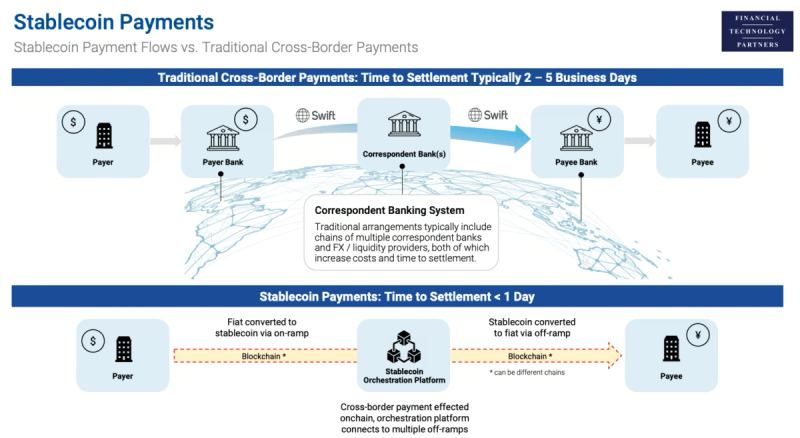
Open USD pushes stablecoins into mainstream payments governance
The Open USD consortium backed by Stripe, Visa, Mastercard, Coinbase, BlackRock, BNY and other firms shows stablecoins being packaged as shared payment infrastructure instead of issuer-owned crypto rails.
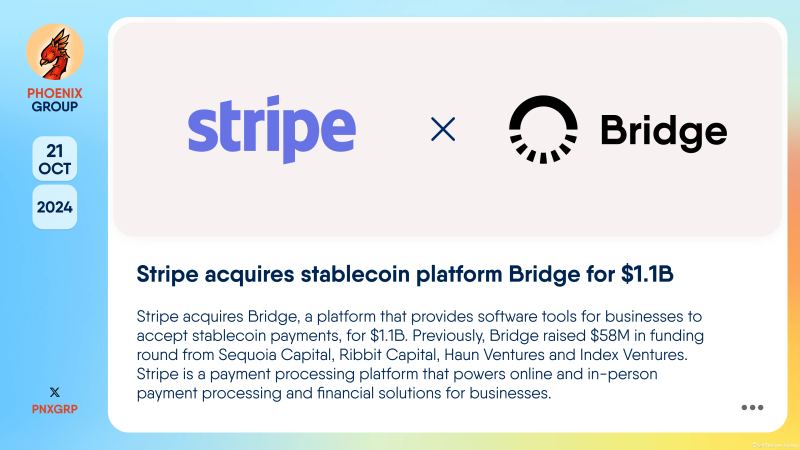
Stripe and Ramp make stablecoin payments feel like accounts payable software
Ramp is using Stripe's Bridge and Privy stack for bank-funded stablecoin bill pay and dollar-denominated stablecoin accounts, showing how crypto rails are being hidden inside normal finance workflows.

Mastercard turns virtual cards into a programmable B2B payments control plane
Mastercard is expanding its virtual card platform with issuer controls, embedded payments and single-API access, making commercial cards look more like programmable software rails.

Stripe and Advent's reported PayPal bid reframes payments scale
A reported Stripe-Advent offer for PayPal highlights how payments companies are chasing merchant reach, wallet distribution, and stablecoin-era settlement scale at the same time.

Mastercard and PrivatBank make agentic payments a live Ukraine banking test
Mastercard and PrivatBank completed Ukraine's first payment executed by an AI agent, testing whether agentic commerce can stay authenticated, permissioned, and visible inside bank rails.

USDC's latest supply signal shows stablecoins becoming B2B payment rails
Circle's current USDC circulation data and Ramp's Stripe-powered rollout show stablecoins moving from crypto trading balances into controlled corporate payment workflows.
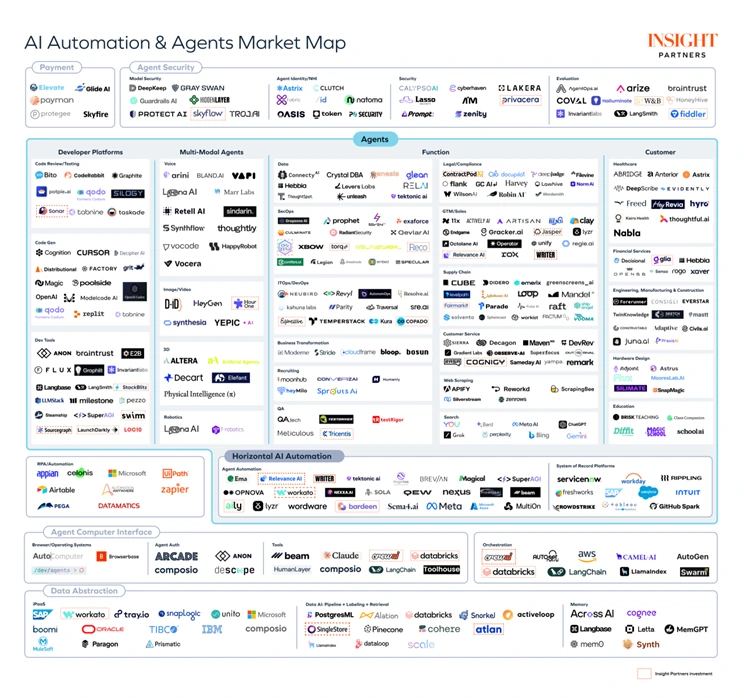
Natural's $30 million round puts AI-agent payments on the fintech roadmap
Natural's Series A shows investors treating AI-agent commerce as a payments infrastructure problem: authorization, merchant trust, user limits, and transaction records must work before autonomous shopping can scale.
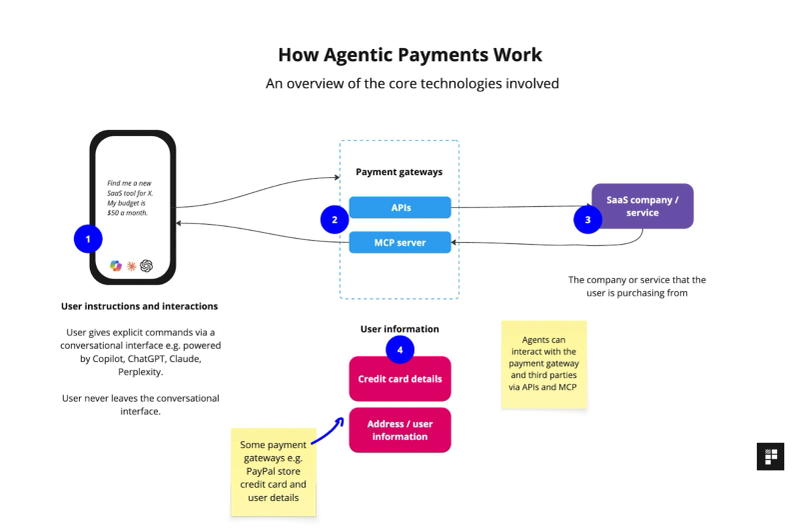
Ramp and FIS show fintech AI is moving from demos into spend controls and fraud defense
New AI initiatives from Ramp and FIS point to a practical phase for financial technology: tracking AI costs and defending payment flows.
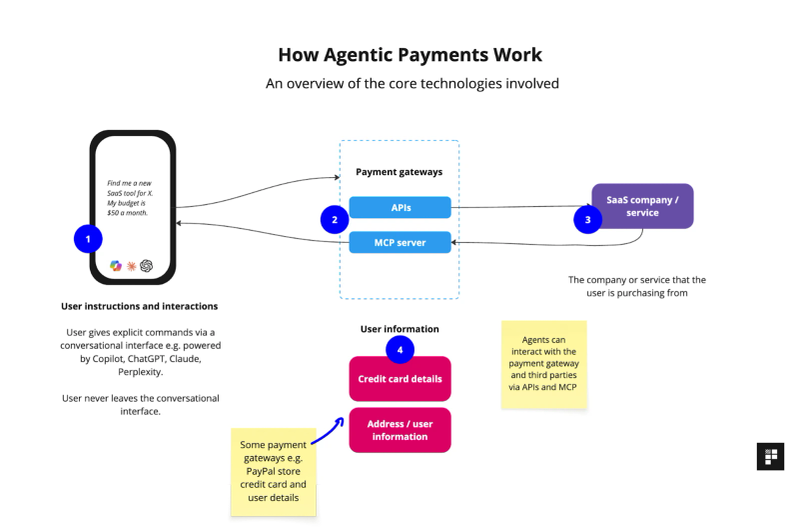
Visa, Stripe, and other payments players backing AI payment protocols turns agentic commerce from a checkout demo into a standards fight
Payments Dive says major fintechs have joined a nonprofit effort to standardize how AI agents and software send payments online, a sign that agentic commerce is moving into infrastructure design.

Mastercard's Moldova agent-pay pilot moves AI commerce from demo to bank rails
Mastercard, maib and Moldindconbank completed Moldova's first payments executed by an AI agent, testing consent, authentication and consumer control in agentic commerce.

Visa and Stripe's agent-payments push shows fintech is preparing for software that shops, subscribes, and settles without a human checkout flow
The Machine Payments Protocol effort gives banks, card networks, and payment processors a shared language for AI-agent transactions, moving agentic commerce from demo scripts toward payment infrastructure.

Stripe and Advent's reported PayPal bid would redraw the checkout power map
Reports of a more than $53 billion Stripe-Advent bid for PayPal put merchant infrastructure, consumer wallets and fintech consolidation back at the center of payments strategy.

Visa and Brale's Canton test moves stablecoin settlement toward bank-grade privacy
Visa and Brale are testing SBC stablecoin settlement on Canton Network, making privacy controls the core feature for institutional blockchain payments.

Bottomline adding stablecoin tools to its CFO Suite shows digital dollars entering corporate treasury through controls, approvals, and audit workflows rather than speculative crypto trading
Bottomline says its new stablecoin capabilities let finance teams send, receive, and manage digital dollar transactions inside existing corporate payment and treasury workflows.
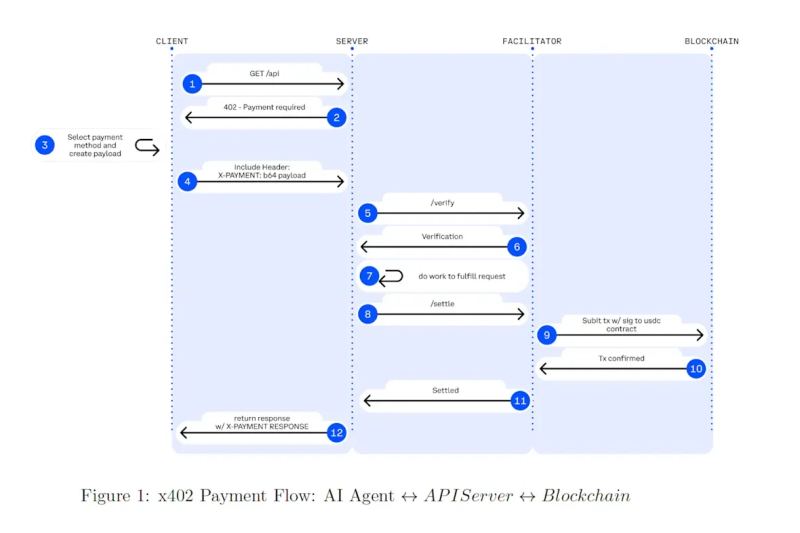
The Linux Foundation's x402 launch gives Coinbase's agent-payment protocol a neutral home as stablecoins, cards, and APIs move toward one programmable internet payment layer
The Linux Foundation says the x402 Foundation is now operational with 40 members, including Coinbase, Circle, Solana Foundation, Stripe, Visa, Mastercard, and major cloud providers.
Visa's AI financial assistant push shows banks are turning payment data into guided action layers
Visa's latest investor news points to an AI financial assistant for banks, while Adyen's agentic commerce stack shows payments firms racing to make AI interfaces transactional.

Visa introducing an AI Financial Assistant for issuer apps shows the payments incumbents are moving from passive data dashboards toward conversational action layers where insight, card controls, and product discovery live inside a bank-branded interface
Visa says its new AI Financial Assistant lets financial institutions offer in-app conversational guidance based on a cardholder's activity, with direct actions such as locking cards and setting alerts built into the flow.

Stripe's Berlin product push shows fintech competition widening from payment acceptance alone to full commercial operating systems that help merchants sell through AI agents, localize cross-border checkout and turn software platforms into embedded-finance distribution channels
At Stripe Tour Berlin, Stripe introduced tools for German businesses to sell to and via AI agents, expand into 195 markets through merchant-of-record services, and offer treasury and capital features through platforms.

Visa's new stablecoin platform says the next fintech battleground is no longer proving that digital dollars can move onchain but packaging minting, treasury controls and wallet operations into a bank-friendly operating layer institutions can actually deploy
Visa says its new Visa Stablecoin Platform gives financial institutions, fintechs and crypto-native firms a single environment for minting, moving and managing stablecoins, beginning with Open USD and a new wallet-as-a-service layer.

PayPal's entry into the European Payments Council shows that the next fintech moat in Europe is not just wallet scale but influence over the standards, instant-payment rules, and interoperability layers underneath digital commerce
PayPal has joined the European Payments Council, giving the company a seat in discussions that shape SEPA payment standards and signaling that large fintech platforms increasingly want direct influence over the rails beneath the user experience.

Coinbase's x402 push with AWS says the next crypto payments opportunity may not be consumer checkout at all but machine-to-machine commerce where AI agents pay for content and APIs directly over HTTP
Coinbase says publishers on AWS CloudFront and WAF can now monetize AI agent traffic through x402, reviving HTTP 402 as a programmable payment layer and pushing stablecoin settlement deeper into the web's application plumbing.
Visa's AI Financial Assistant says the next fintech advantage may be owning the in-bank action layer where customers ask money questions, get guided advice, and act without leaving the issuer's app
Visa says its new AI Financial Assistant gives banks a chat-based entry point inside their own apps, combining customer behavior, real-time data, and institutional information to guide users from insight to action under the bank's existing compliance and fraud controls.