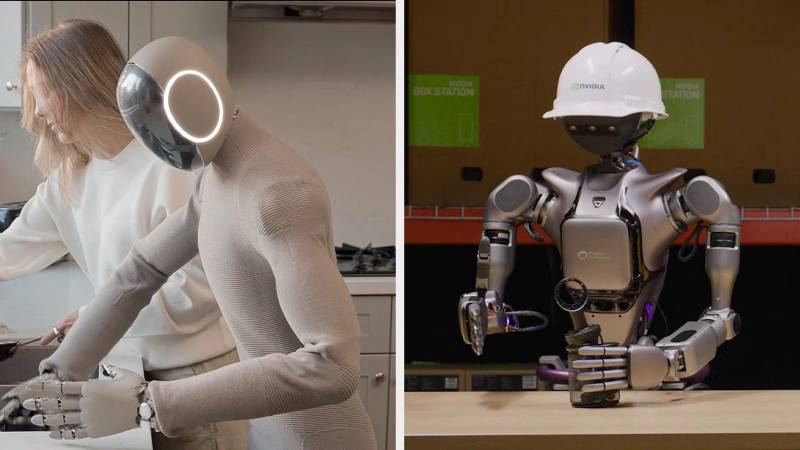
NVIDIA's GR00T reference robot says humanoid progress now depends on shared platforms, not isolated prototypes
NVIDIA's new Isaac GR00T reference humanoid combines Unitree hardware, Jetson Thor compute, dexterous hands, and open software into a single research stack, pushing robotics toward a platform era where reusable infrastructure matters more than one-off demos.
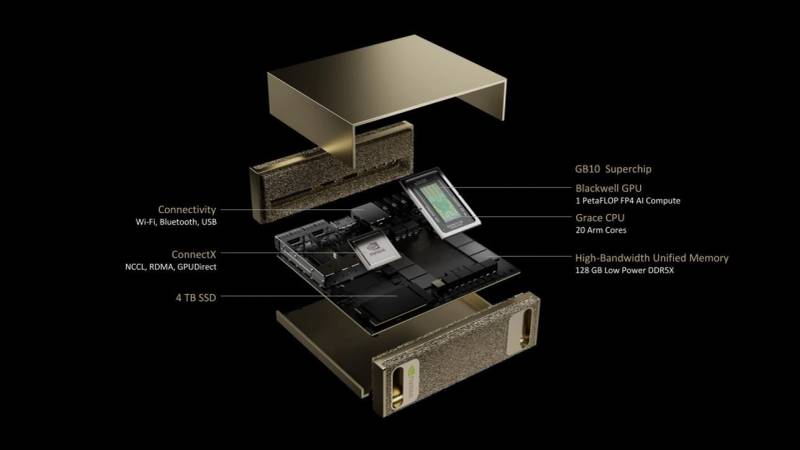
NVIDIA's RTX Spark says the premium PC is becoming a personal agent machine, not just a laptop
NVIDIA and Microsoft are reframing the Windows hardware stack around long-running local agents, using RTX Spark, DGX Station for Windows, and secure runtimes to turn PCs into always-available AI execution devices rather than traditional endpoint clients.
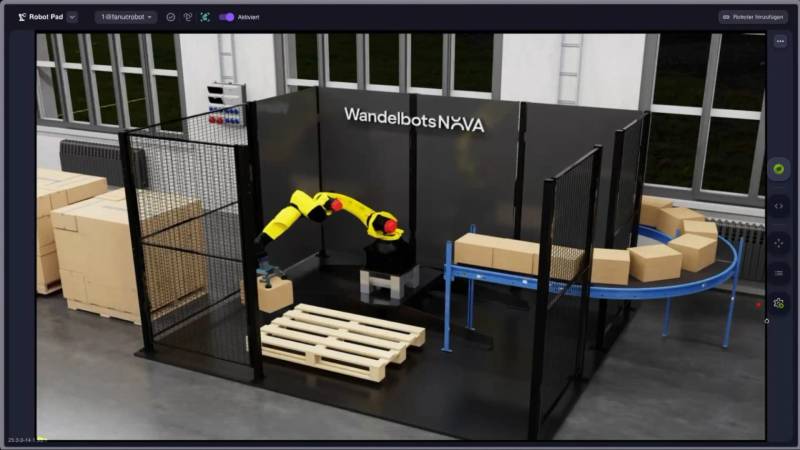
NVIDIA and Doosan say robotics is becoming infrastructure, not just automation hardware
NVIDIA's June 7 Doosan expansion and its early-June physical AI research push suggest robotics is moving beyond standalone machines into a broader infrastructure layer that spans simulation, world models, industrial equipment, energy, and AI factory deployment.
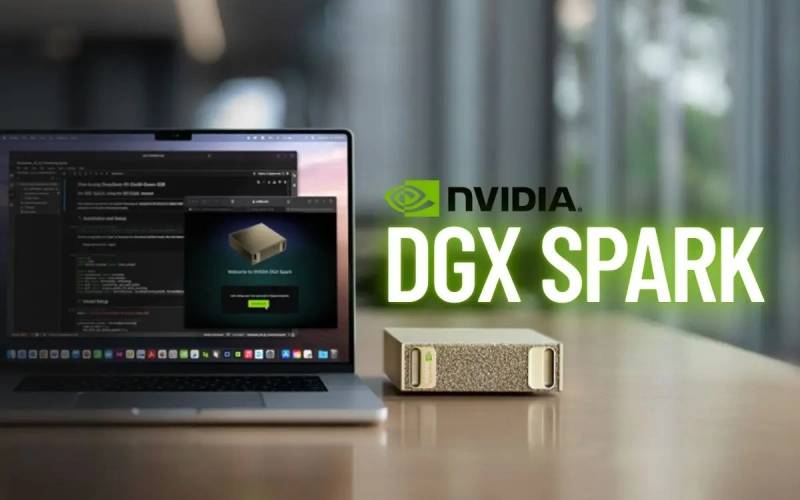
NVIDIA's RTX Spark push says the next PC battle is about local agents, not just faster laptops
NVIDIA and Arm are reframing the premium PC market around local agent workloads, large on-device models, and unified memory architectures that blur the line between workstation, gaming rig, and AI appliance.
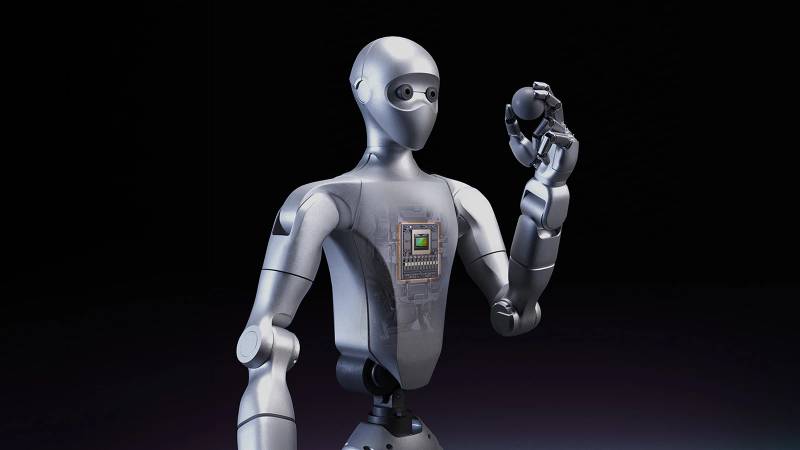
NVIDIA's GR00T reference humanoid says robotics is moving from isolated demos toward open development platforms teams can actually build on
NVIDIA's June 1, 2026 GR00T reference humanoid announcement matters because it packages body, hands, compute, and software into an open research platform aimed at accelerating physical AI development beyond bespoke robotics stacks.
NVIDIA's RTX Spark launch with Microsoft says the next AI hardware fight is moving from cloud racks back onto the personal computer
NVIDIA's June 1, 2026 RTX Spark launch matters because it reframes the Windows PC as a local agent machine with unified memory, security, and enough on-device AI performance to act as a teammate instead of a thin client.
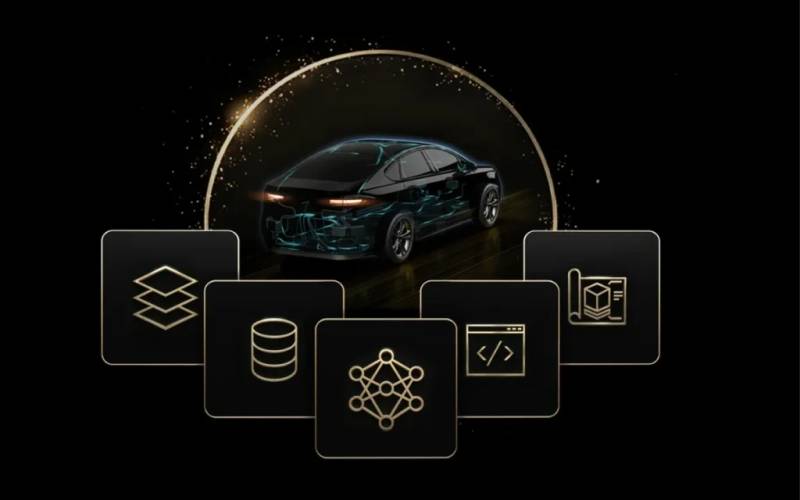
NVIDIA's Alpamayo 2 Super says robotics progress now depends on reasoning stacks, not narrow driving models
NVIDIA's May 31, 2026 Alpamayo 2 Super launch matters because it packages reasoning, labeling, world models, and simulation into a reusable autonomy stack instead of another single-purpose driving model.
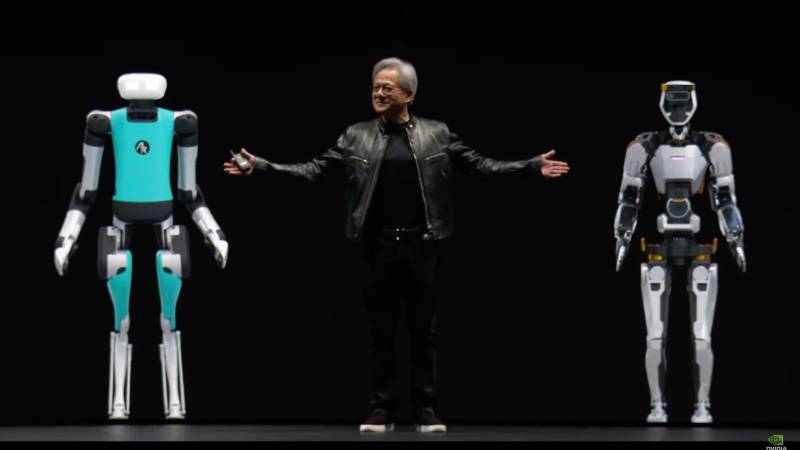
NVIDIA's GR00T reference humanoid says robotics is moving from bespoke labs toward shared research platforms
NVIDIA's early June 2026 robotics push matters because it turns humanoid development into a more standardized academic and developer workflow built on shared hardware, open training platforms, and reusable physical-AI tooling.
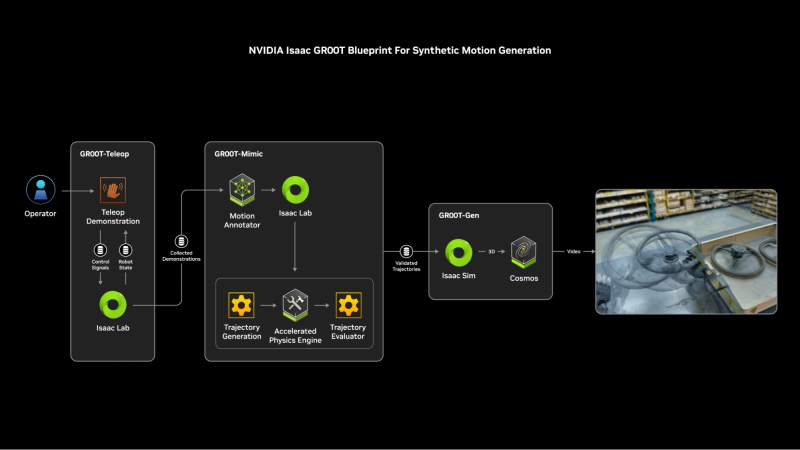
NVIDIA's GR00T reference humanoid says robotics progress now depends on open integration stacks, not closed moonshots
NVIDIA's May 31 and June 1, 2026 GR00T reference humanoid announcement matters because it packages hardware, hands, onboard compute, and open robotics software into one reproducible research system instead of another isolated humanoid demo.
NVIDIA and Microsoft say the real AI race is now about shipping one governed agent stack from laptop to cloud
The June 2, 2026 NVIDIA and Microsoft Build announcements matter because they recast agentic AI as a deployment-stack problem, where the winning platform is the one that keeps models, data, runtimes, and governance aligned from local devices to cloud infrastructure.
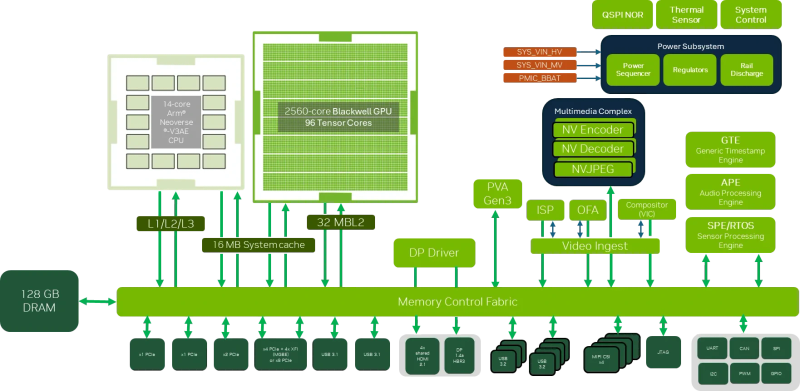
NVIDIA's Jetson stack says robotics is moving from model demos to agent-ready physical AI systems
NVIDIA's June 1, 2026 Jetson update matters because it packages agent skills, NemoClaw, CUDA 13, and deterministic edge controls into a production-grade stack for robots, inspection systems, and industrial automation.
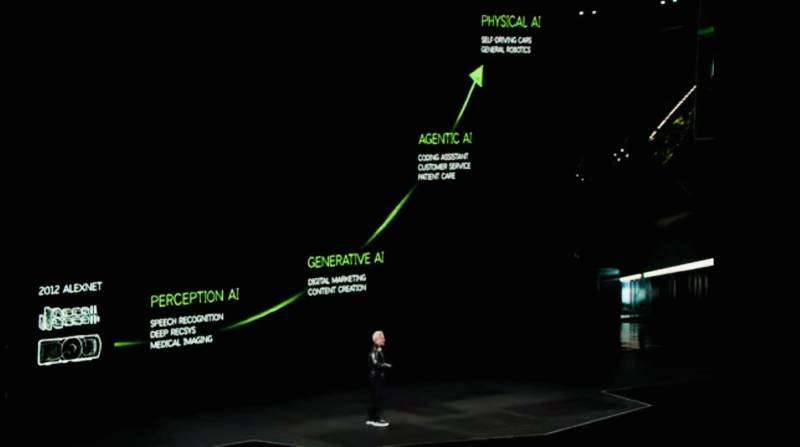
NVIDIA's new physical AI agent skills say robotics progress now depends on workflow scale, not isolated demos
NVIDIA's June 3, 2026 physical AI research push matters because it turns robotics development into a data-generation, simulation, policy-training, and evaluation pipeline that agents can help orchestrate end to end.
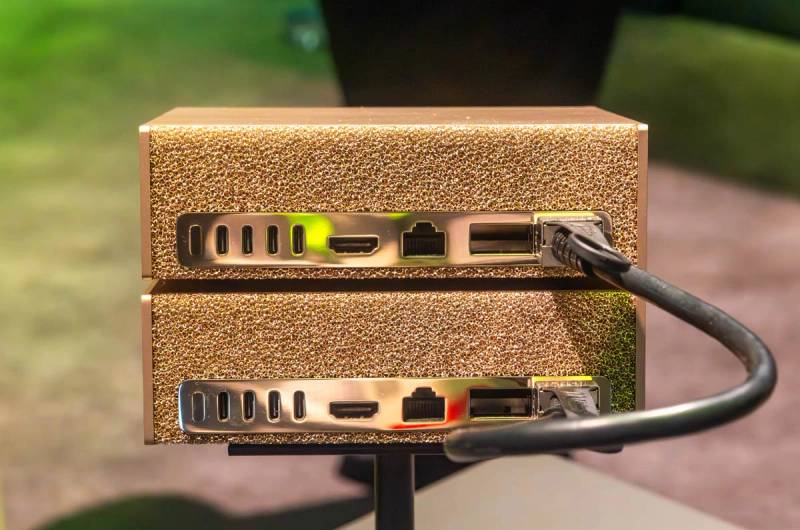
NVIDIA's RTX Spark says the next PC fight is about local AI agents, not just faster laptops
NVIDIA's June 1, 2026 RTX Spark announcement matters because it recasts the personal computer as an on-device agent machine with security primitives, unified memory, and enough local AI throughput to keep more work off the cloud path.
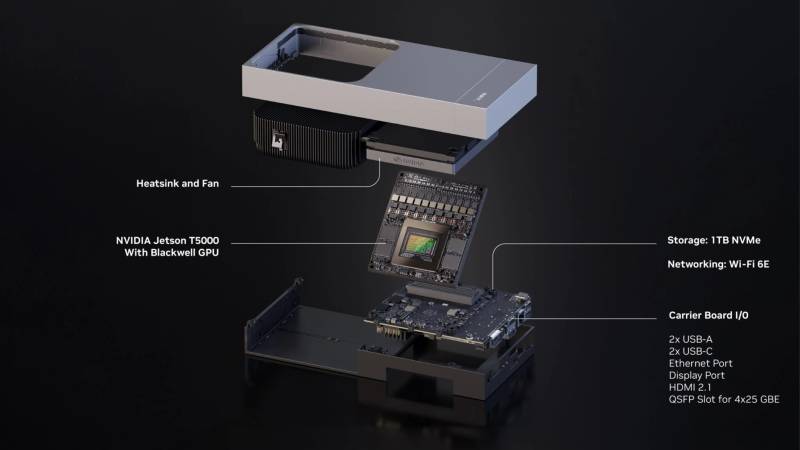
NVIDIA's Jetson update says robotics will scale through deployable physical AI stacks, not isolated robot demos
NVIDIA's June 1, 2026 Jetson and NemoClaw update matters because it turns physical AI into a production-stack story spanning edge compute, agent skills, operating-system control, and deployment economics.
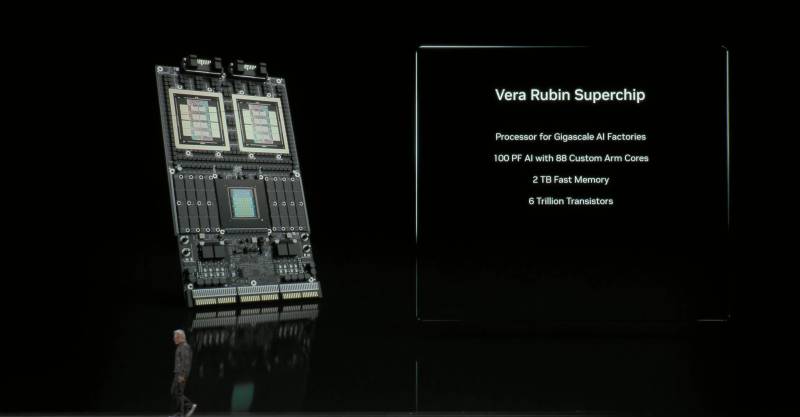
NVIDIA's Vera Rubin production ramp says AI infrastructure competition is consolidating around full-system architectures, not loose chip lineups
NVIDIA's late-May 2026 Vera Rubin production update matters because it presents AI infrastructure as an integrated factory architecture spanning CPU, networking, storage, and rack-scale deployment rather than a single accelerator sale.
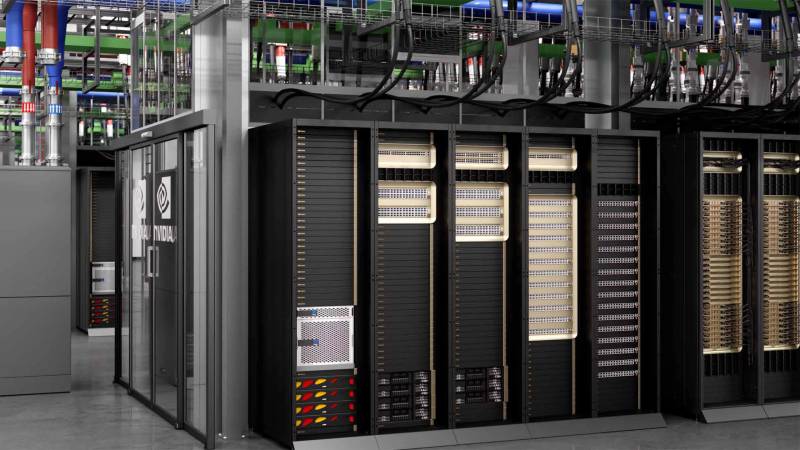
NVIDIA's Vera Rubin ramp says AI hardware is becoming factory infrastructure, not just accelerator inventory
NVIDIA's full-production Vera Rubin push reframes AI hardware as a tightly integrated production stack spanning compute, networking, and deployment economics.
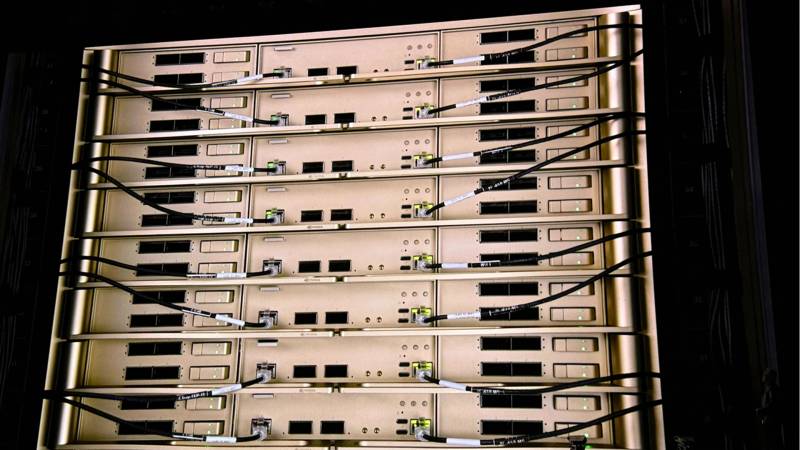
NVIDIA and Corning say AI hardware bottlenecks are moving into optics and materials, not just chips
NVIDIA's May 6, 2026 manufacturing partnership with Corning matters because AI infrastructure scale now depends on fiber, glass, and interconnect capacity as much as it does on the processors inside the rack.
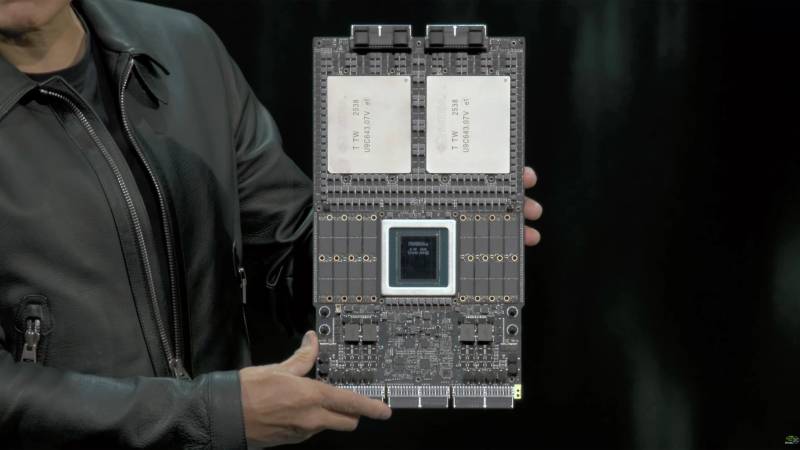
NVIDIA's Vera CPU push says AI hardware advantage now depends on agent-scale orchestration, not GPU bragging alone
NVIDIA's March 2026 Vera CPU launch and its May delivery update matter because agentic AI is forcing hardware strategy beyond accelerators alone and toward the data movement, orchestration, and energy profile needed to run vast numbers of concurrent AI tasks.

NVIDIA and Corning's optical-manufacturing pact says AI hardware bottlenecks now extend beyond chips
NVIDIA and Corning's May 6, 2026 partnership matters because it shows the AI infrastructure race is now constrained by fiber, optics, and plant capacity as much as by GPUs and advanced packaging.
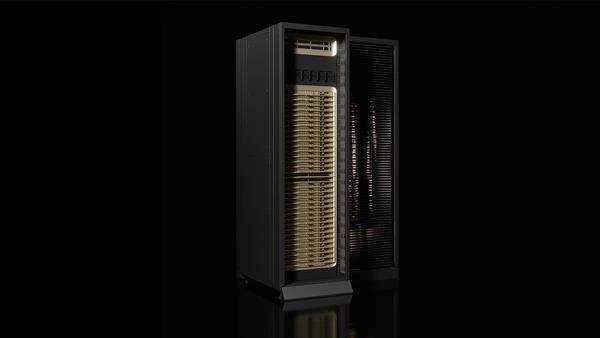
NVIDIA's Vera deliveries say agentic AI hardware is shifting from roadmap theater to deployment timing
NVIDIA's May 18, 2026 Vera CPU delivery story matters because agentic AI hardware is moving from launch-stage promises into real deployment sequencing with top labs and cloud operators.
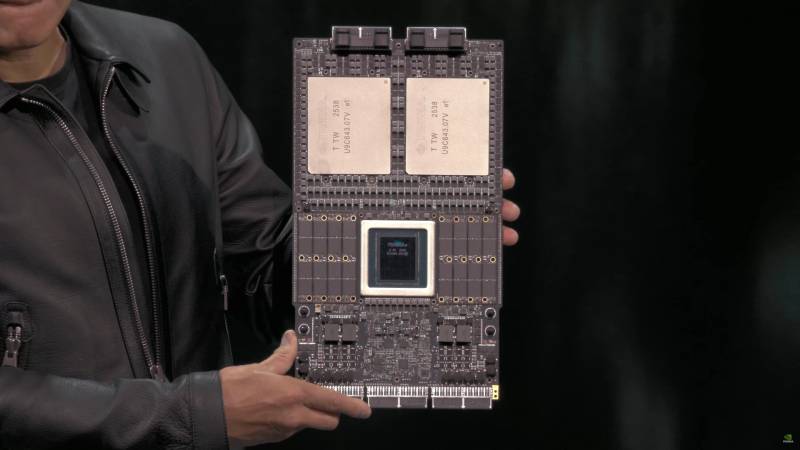
NVIDIA's Vera Rubin push says the next hardware moat is the rack-scale AI factory, not the individual accelerator
NVIDIA's 2026 Rubin and Vera Rubin messaging matters because it reframes AI hardware as a fully co-designed rack-scale system built for long-context, multi-agent, low-latency workloads rather than a simple chip upgrade cycle.
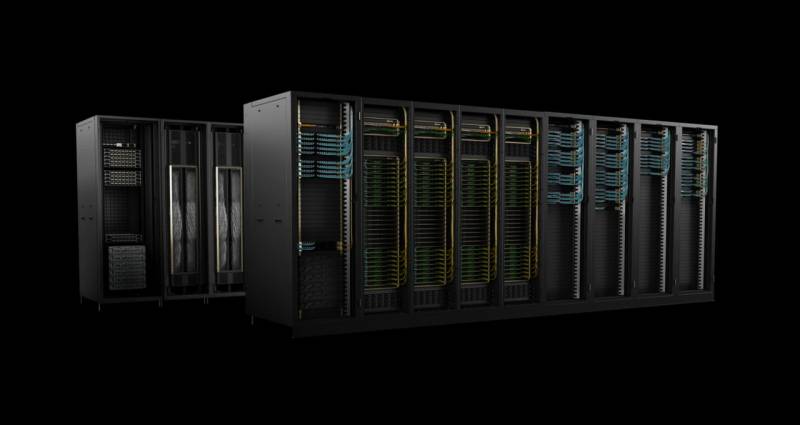
NVIDIA is turning Blackwell Ultra DGX SuperPOD into a packaged AI factory rather than a raw hardware sale
NVIDIA's Blackwell Ultra DGX SuperPOD push matters because it sells enterprises an integrated reasoning infrastructure stack, not just faster silicon.
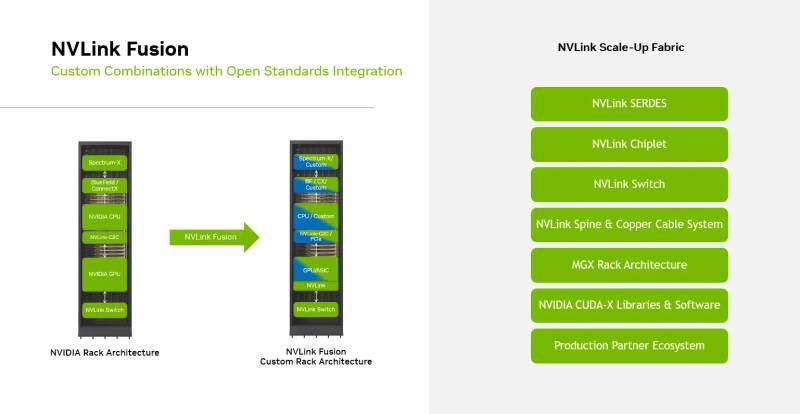
NVIDIA's NVLink Fusion says AI hardware winners may be the ones that let everyone else customize the stack
NVIDIA's NVLink Fusion is a bet that the next hardware moat is not only owning the best silicon, but owning the fabric and ecosystem other companies must plug into when they build custom AI systems.

Nvidia's IREN deal says the AI hardware race is now constrained by power, land, and build speed
Nvidia's investment and infrastructure partnership with IREN is not just another AI capex headline. It shows that the next bottleneck in AI hardware is not only chips. It is access to power, data-center land, cooling capacity, and operators that can deploy large-scale infrastructure quickly enough to keep pace with demand.