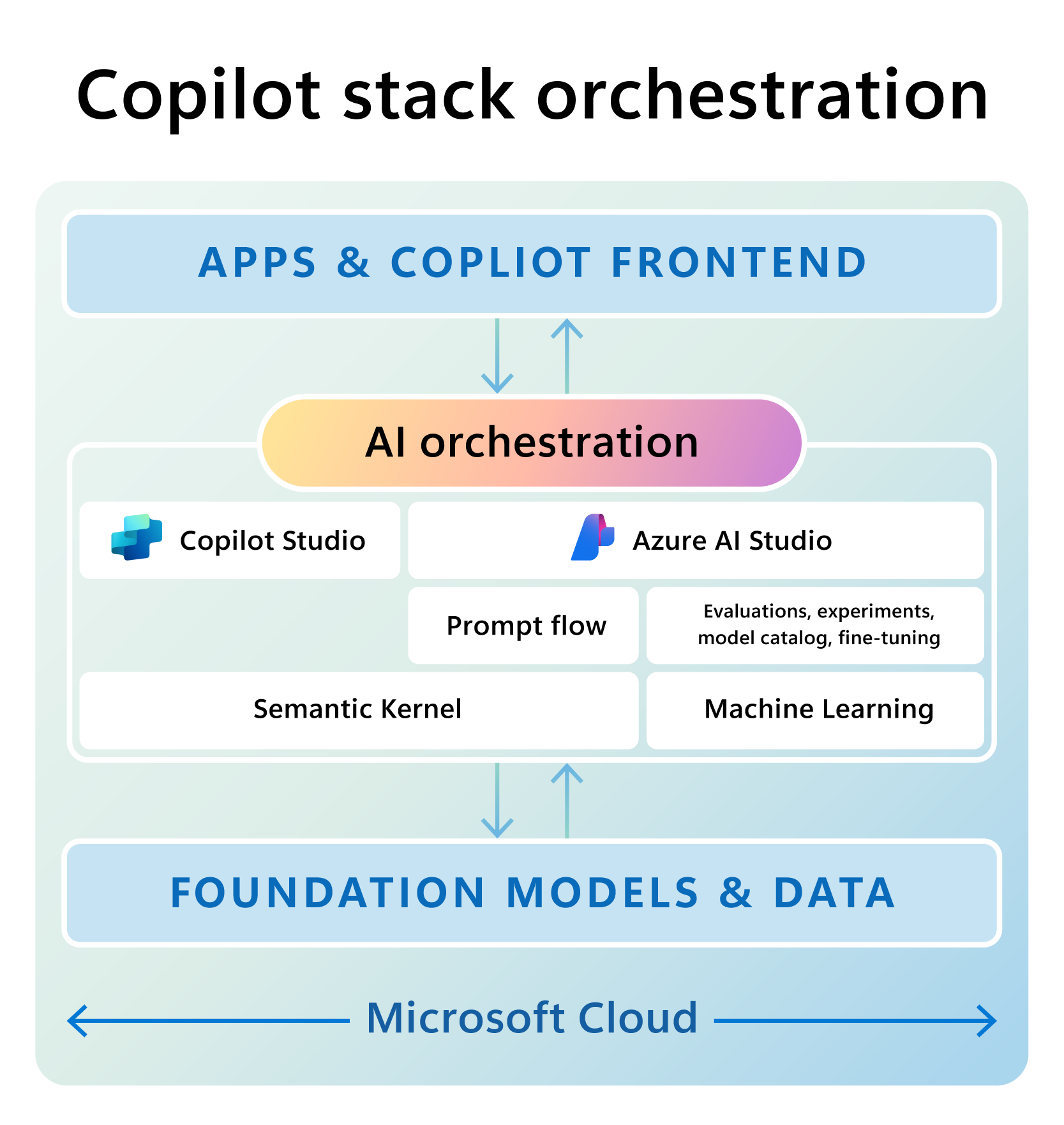
Microsoft's latest Copilot Cowork update says software is becoming an orchestration layer for agents
Microsoft's May 5 Copilot Cowork update looks at first like a routine product expansion, but the underlying bet is larger. The company is trying to turn enterprise software from a place where humans click through tasks into a governed orchestration surface where people define outcomes, agents execute across plugins and connectors, and Agent 365 handles control, visibility, and scale.
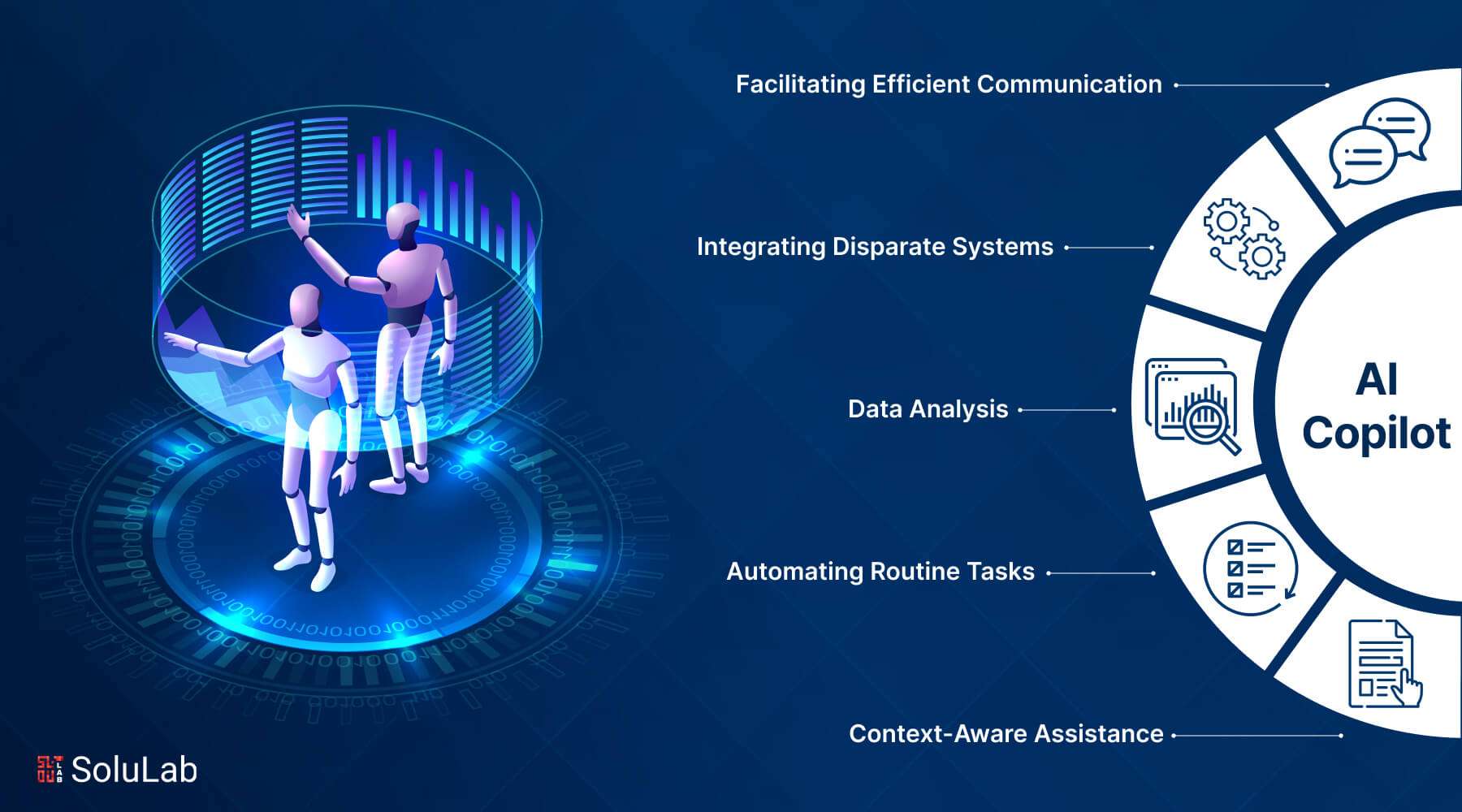
OpenAI and PwC's new CFO push says agentic AI is moving from copilots into finance operations
OpenAI's May 4 collaboration with PwC and PwC's May 5 expansion notes point to a more consequential enterprise AI shift than another generic assistant rollout. The real signal is that finance, one of the most controlled and judgment-heavy functions inside large companies, is being used as a proving ground for human-governed agentic workflows across procurement, treasury, reporting, tax, and the close.
Washington's new CAISI deals turn frontier AI testing into pre-release infrastructure
The May 5 CAISI agreements matter because they shift frontier-model evaluation from an ad hoc safety ritual into something closer to critical infrastructure. When Microsoft, Google DeepMind, and xAI agree to let government testers examine unreleased systems, the AI race stops being only about launch speed and starts becoming a contest over who can prove operational trust before deployment.

Accenture's 743,000-seat Copilot rollout gives Microsoft its first true at-scale proof point
Accenture's decision to push Copilot to a workforce larger than many cities matters because it moves enterprise AI from pilot language into operating-model language. The rollout is a software platform story about workflow change, governance, and measurable adoption, not just another seat-count press release.

OpenAI's Microsoft rewrite turns frontier AI into a multi-cloud market
OpenAI's late-April rewrite of its Microsoft relationship matters less as partnership drama than as market structure. By converting exclusivity into first-refusal economics, OpenAI widened its infrastructure options, protected Stargate-scale expansion, and signaled that frontier AI capacity is now too large to sit inside a single-cloud dependency.
Box Automate is a bet that enterprise software wins by governing AI workflows, not just generating answers
Box's late-April launch of Box Automate pushes enterprise software beyond the copilot phase. Instead of offering another chat surface, Box is trying to turn documents, agents, approvals, extraction, and third-party systems into one governed operating loop for content-heavy work.
OpenAI's new compute push shows the AI race is turning into an infrastructure contest
OpenAI's April 29 infrastructure update and Microsoft's April 27 partnership reset point to the same strategic reality: frontier AI competition is no longer just about better models, but about who can finance, secure, and operate compute at multi-gigawatt scale.

GitHub Copilot usage billing exposes the real cost of AI coding agents
GitHub is replacing premium requests with AI Credits, a pricing shift that makes long-running coding agents look more like cloud compute than ordinary SaaS.
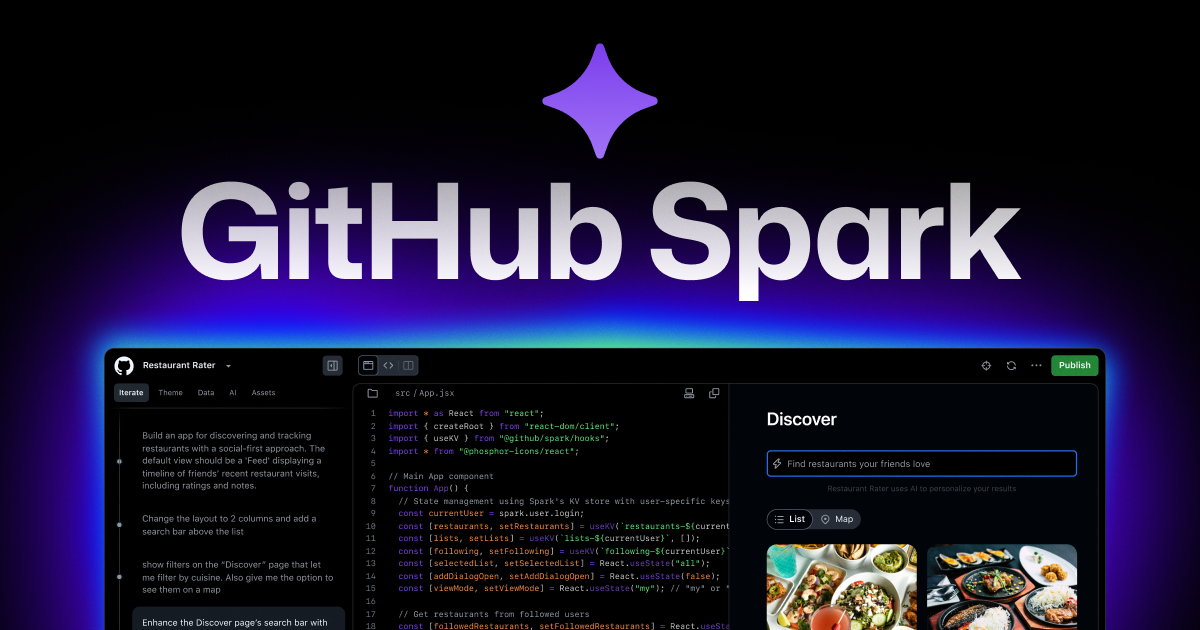
Software teams are moving from coding copilots to managed agent workspaces
The software stack is shifting from single-prompt code completion toward managed AI workspaces where agents build, test, review and ship under human supervision.