Robot.com's R-noid launch shows humanoid robotics shifting toward deployable labor systems
Robot.com launched R-noid with FieldAI, Physical Intelligence, Formic and Nvidia support, positioning humanoids as weeks-to-deploy tools for logistics and service work.
Ukraine's robotic amphibious assault shows drone warfare is merging sea, air, and ground robots into one remote combat stack
A reported Kinburn Spit operation used an unmanned surface vessel to deliver an armed ground robot while aerial drones monitored the mission, pointing to a new phase of combined uncrewed operations.
NVIDIA's Cosmos 3 Edge and Jetson Thor push shows physical AI moving from cloud-trained demos toward on-device robot reasoning, policy deployment, and industrial ecosystem scale
NVIDIA says Japan's robotics and manufacturing leaders are building on Cosmos while Cosmos 3 Edge and Jetson Thor target on-device vision reasoning and robot policy deployment.

DJI's global Agras T55 and T100 launch shows agricultural robotics is graduating from pilot projects into industrial-scale field operations where safety systems, payload economics, and route automation determine who can actually turn autonomy into farm productivity
DJI Agriculture says its new Agras T55 and T100 dual-battery spraying systems improve safety and large-field efficiency, underscoring how crop aviation is shifting from experimental automation into scaled operational infrastructure.
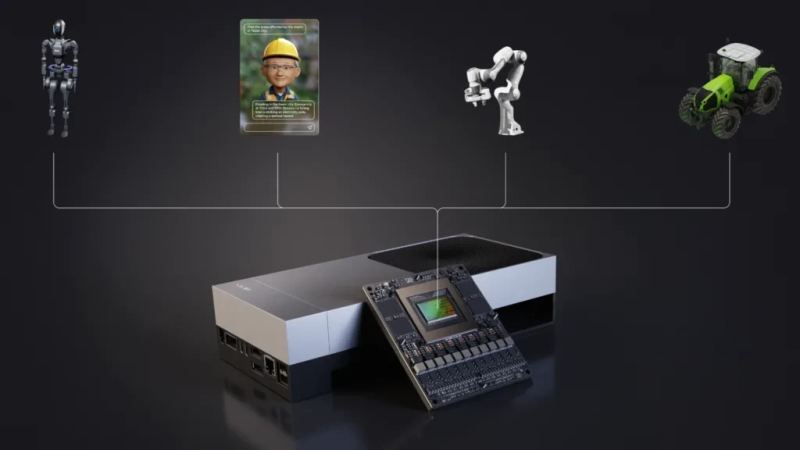
NVIDIA's new Jetson Thor T3000 and T2000 modules show the hardware race is moving from flagship humanoid demos toward scalable edge-compute building blocks that let mainstream robotics and visual AI vendors ship more agentic systems in smaller power envelopes
NVIDIA says its new Blackwell-powered Jetson Thor computers pair higher robotics performance with software memory optimization and agent skills aimed at moving advanced edge AI into more compact, production-friendly systems.
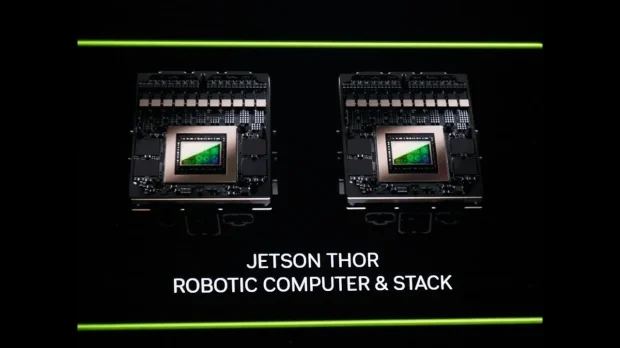
NVIDIA's new Jetson Thor rollout suggests robotics is entering a deployment era where the winners will be the platforms that compress world models, edge inference and safety tooling into smaller systems cheap enough to leave the lab and scale into ordinary machines
NVIDIA introduced new Jetson Thor T3000 and T2000 modules, agent skills for memory optimization and Cosmos 3 Edge support, aiming to make humanoid robots, autonomous machines and visual AI systems more deployable at the edge.

NVIDIA's Japan physical-AI push shows robotics competition moving from isolated robot demos toward shared world models, edge reasoning and coalition-scale deployment stacks that can shorten the path from simulation to real machines
NVIDIA says Japanese robotics and manufacturing leaders including FANUC, Fujitsu, Hitachi, Kawasaki, Kubota, NEC, SoftBank, Sony and Yaskawa are building on Cosmos, Isaac, Metropolis and Jetson, while the company also unveiled Cosmos 3 Edge for on-device reasoning on Thor platforms.
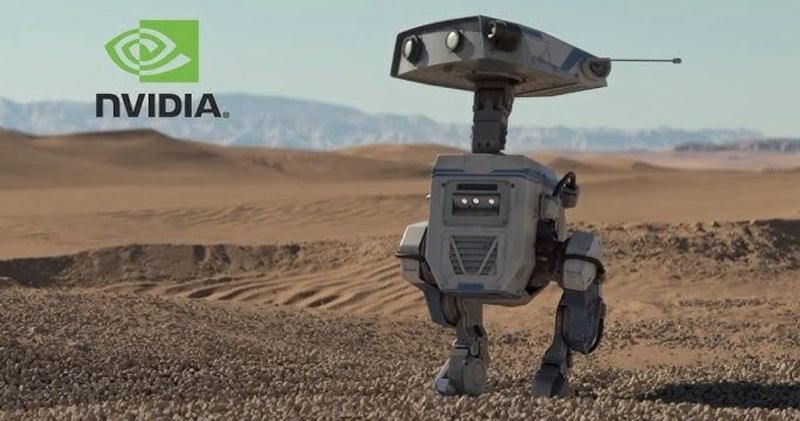
NVIDIA's Isaac GR00T reference humanoid shows the robotics market edging toward a more open research stack where the bottleneck is less finding a robot body and more accelerating shared data, policy training, and real-world validation on common hardware
NVIDIA has introduced an open humanoid reference design built around Jetson Thor, the Isaac GR00T platform, a Unitree H2 humanoid body, and Sharpa dexterous hands, aiming to give research labs a common physical AI starting point instead of forcing each team to rebuild the same base system.
The Marine Corps' new Robotics Integration Group says drone competition is moving from one-off field experiments to formal doctrine, standard training, and service-level operating structure
The U.S. Marine Corps says it has established a service-level Robotics Integration Group and Counter Drone Team to standardize training and institutionalize small drone and counter-drone integration across the force, reflecting a broader shift from experimentation to military systemization.
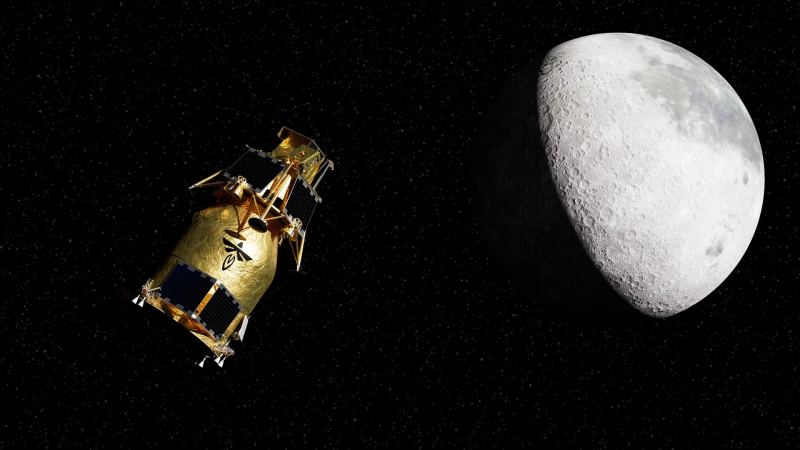
Firefly's decision to run NVIDIA Jetson in lunar orbit shows robotics and autonomous systems are moving toward a new frontier where sensing, inference and mission decisions happen at the edge instead of waiting on distant links and human review
NVIDIA says Firefly will use Jetson for Ocula moon-imaging inference in lunar orbit, while Firefly frames the service as part of a broader orbital data platform tied to Blue Ghost Mission 2 and future lunar mapping operations.
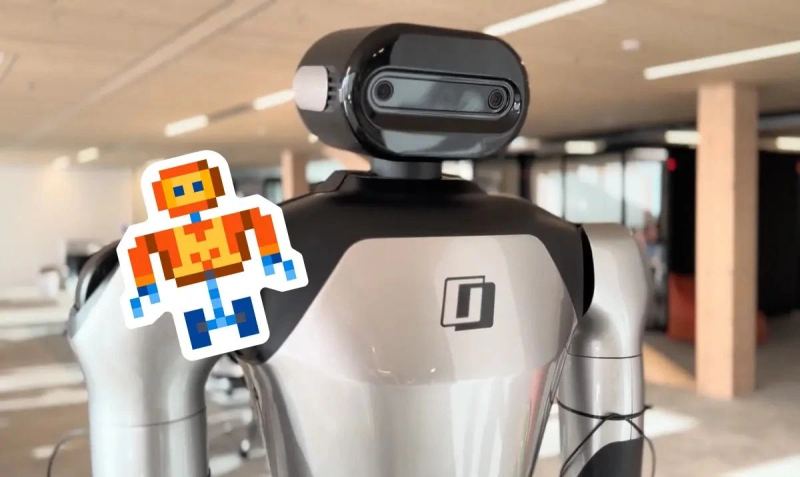
Mistral's Robostral Navigate suggests the robotics stack may get cheaper and more scalable if frontier navigation can work with one camera instead of a sensor tower
Mistral's new Robostral Navigate model matters because it claims state-of-the-art instruction-following navigation using only a single RGB camera, without depth sensors or LiDAR.
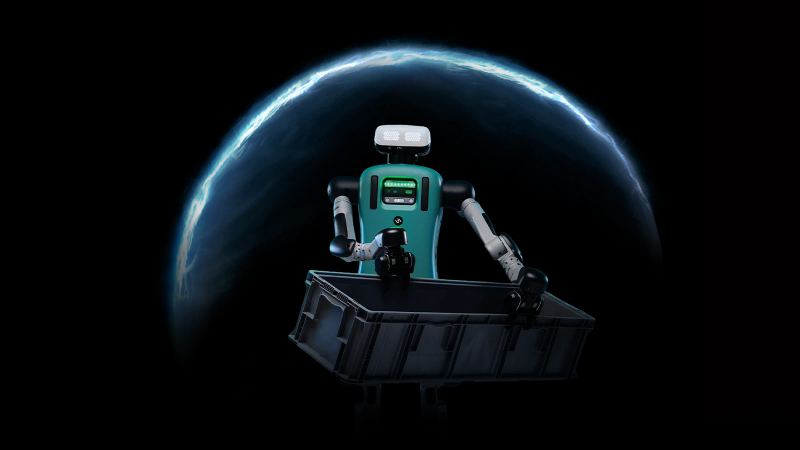
NVIDIA's Halos for Robotics says physical AI will be won by safety architecture, not demo charisma
NVIDIA's new Halos for Robotics stack matters because it treats safety as a full-stack systems problem across compute, sensors, software, inspection, and certification rather than as a late-stage compliance add-on for humanoids and industrial robots.

Ukraine's ground-robot production push shows robotics is becoming a battlefield manufacturing problem, not just an autonomy problem
Defense News reporting on July 9 that a Ukrainian ground robot maker has doubled production highlights how wartime robotics is being shaped by throughput, partnerships, and deployment economics as much as by AI capability.
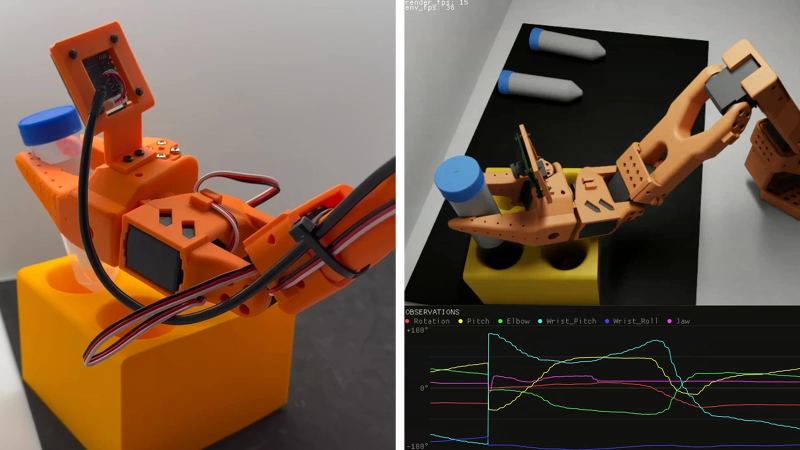
NVIDIA's LeRobot push shows robotics is racing toward open training pipelines, not just closed humanoid demos
NVIDIA's latest Hugging Face partnership matters because it turns physical-AI development into a more open workflow for datasets, teleoperation, training, and evaluation, which could reshape who gets to build useful robotics systems at speed.
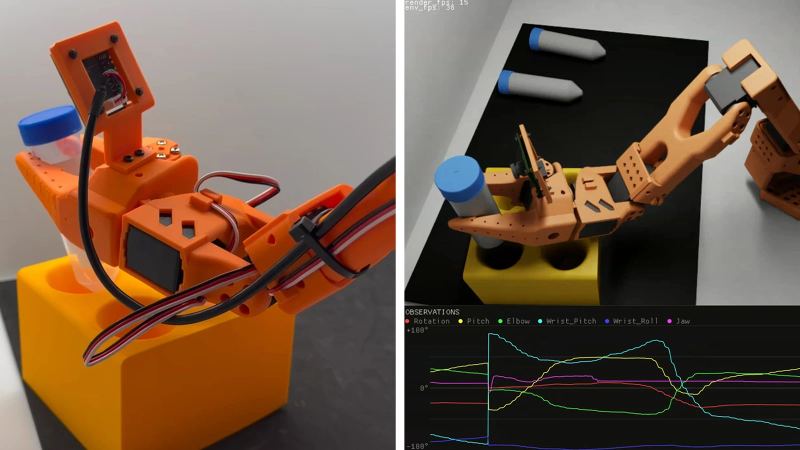
NVIDIA and Hugging Face are trying to make open robotics move at open-source software speed
The latest LeRobot integrations matter because they bring NVIDIA's GR00T and Isaac tooling into a more open robotics workflow, narrowing one of the biggest gaps in physical AI: shared models may be moving fast, but shared robot development has still been expensive and fragmented.

DJI's latest Agras rollout shows drone robotics scale may be won through farm throughput and uptime, not headline autonomy demos
DJI Agriculture's July 1 Agras rollout matters because it treats payload, spray coverage, battery rhythm, and nonstop field work as the real competitive metrics for commercial drone robotics.

DJI's Agras T55 and T100 push says robotics scale is now being won in agricultural throughput, not only autonomy demos
DJI Agriculture's July 1 global launch of the Agras T55 and T100 matters because it frames farm robotics as an industrial productivity system built around payload, battery efficiency, safety, and nonstop field coverage.
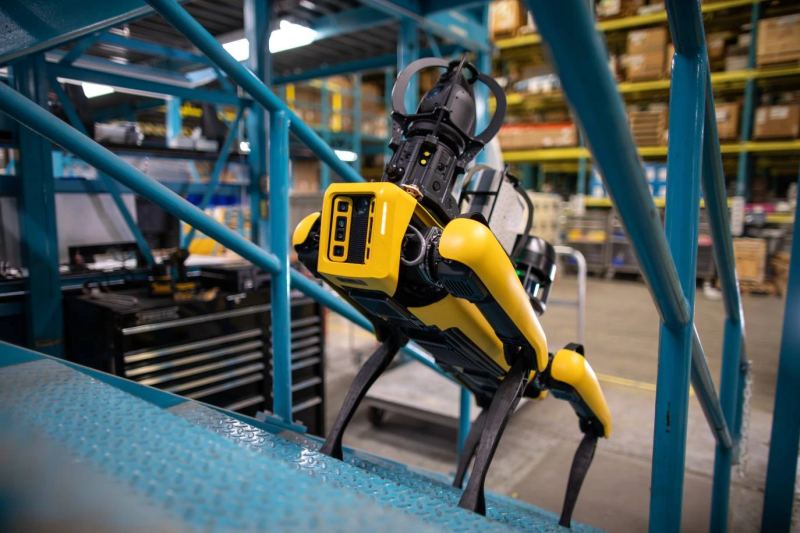
Boston Dynamics is turning robot inspection into a language-guided workflow, not just a route-following task
Boston Dynamics' July 2 AIVI-Learning update for Orbit matters because it connects Gemini Robotics reasoning to industrial inspection and operator knowledge capture, pushing robots closer to practical site intelligence instead of fixed patrol automation alone.
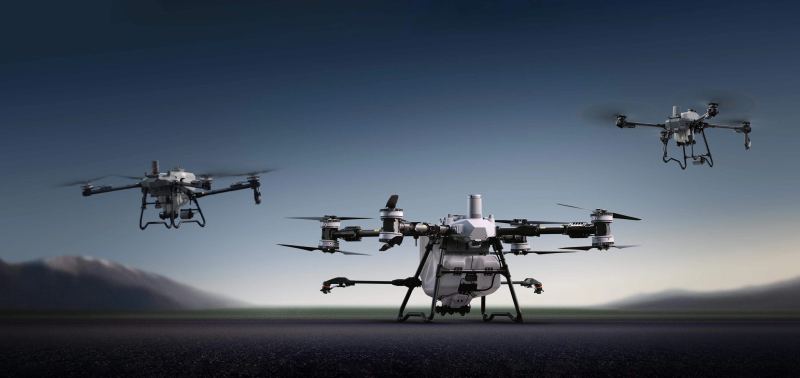
DJI's new Agras drones show the drone industry is maturing from imaging hardware into applied field robotics
DJI's July 1 launch of the Agras T55 and T100 matters because it pushes agricultural drones deeper into logistics, spraying, spreading, and heavy-duty farm automation instead of treating them as narrow aerial tools.
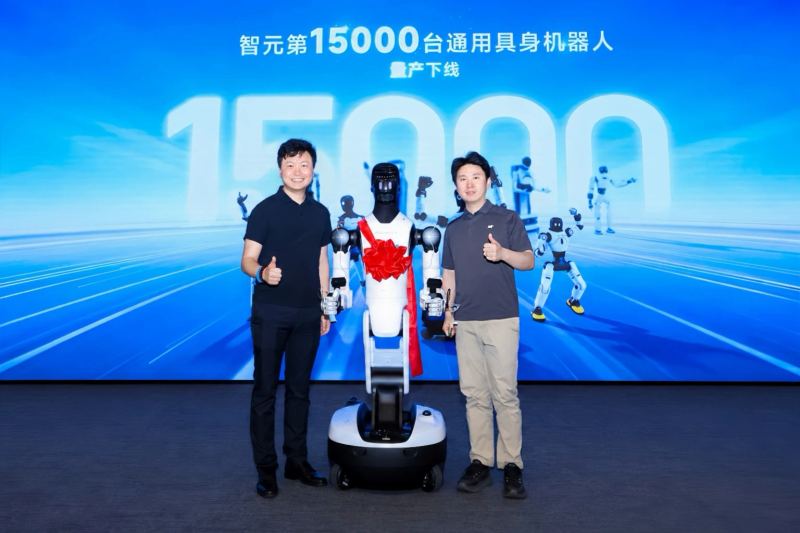
AGIBOT hitting 15,000 robots says embodied AI is being measured less by demos and more by factory throughput
AGIBOT's June 28 production milestone matters because it frames humanoid and embodied robotics as a scaling and deployment story, not just a research or showcase story.

Foxconn's Computex surgical robot demo suggests robotics competition is moving toward multimodal task reasoning in regulated environments, not just warehouse repetition
Foxconn's June 1 Computex showcase matters because it framed a collaborative surgical robot as part of a broader physical-AI stack built around perception, scene understanding, and task reasoning.
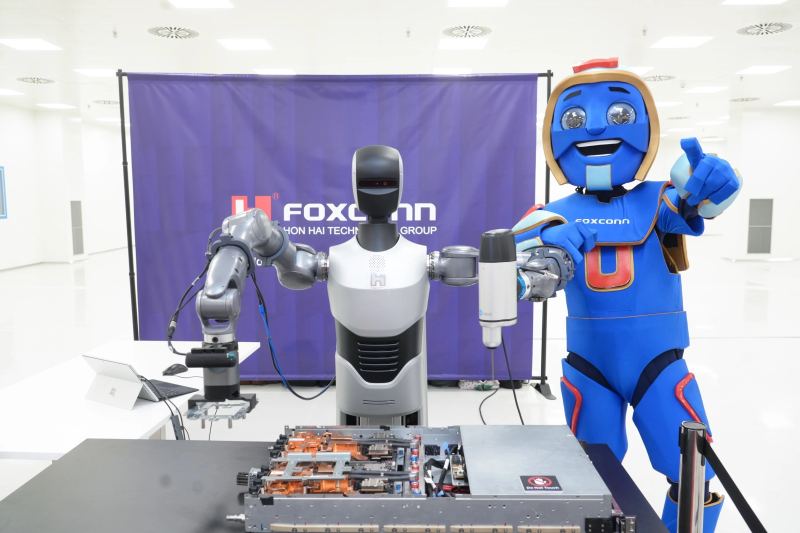
Foxconn's Czech robotics showcase matters because the next humanoid story is becoming an industrial integration story, not a spectacle story
Foxconn's June 26 Czech Tech Day highlighted a next-generation humanoid robot, digital twins, and AI-factory infrastructure, signaling a tighter link between robotics deployment and manufacturing operations.
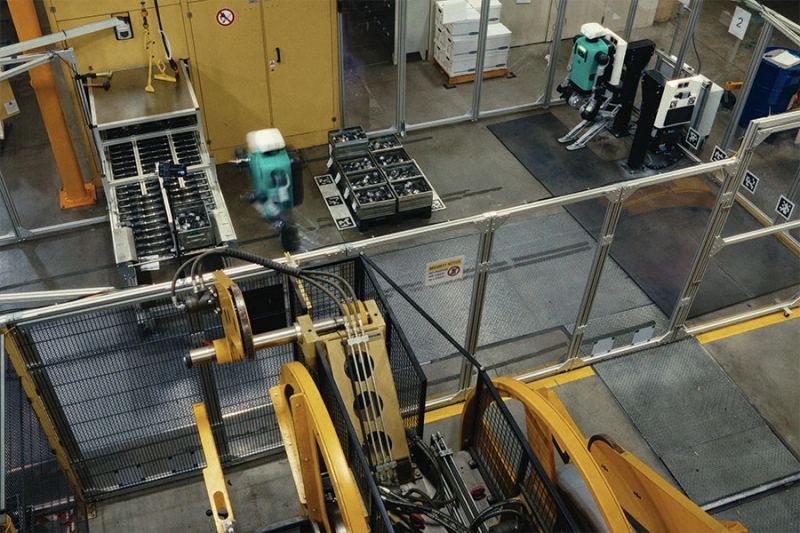
Agility Robotics is taking the humanoid race to public markets, and the bigger bet is on warehouse-scale deployment rather than robot spectacle
Agility Robotics said it will go public through Churchill Capital Corp XI, giving the Digit maker a larger war chest to scale commercial humanoid deployments at a moment when physical AI is shifting from demo culture to industrial execution.
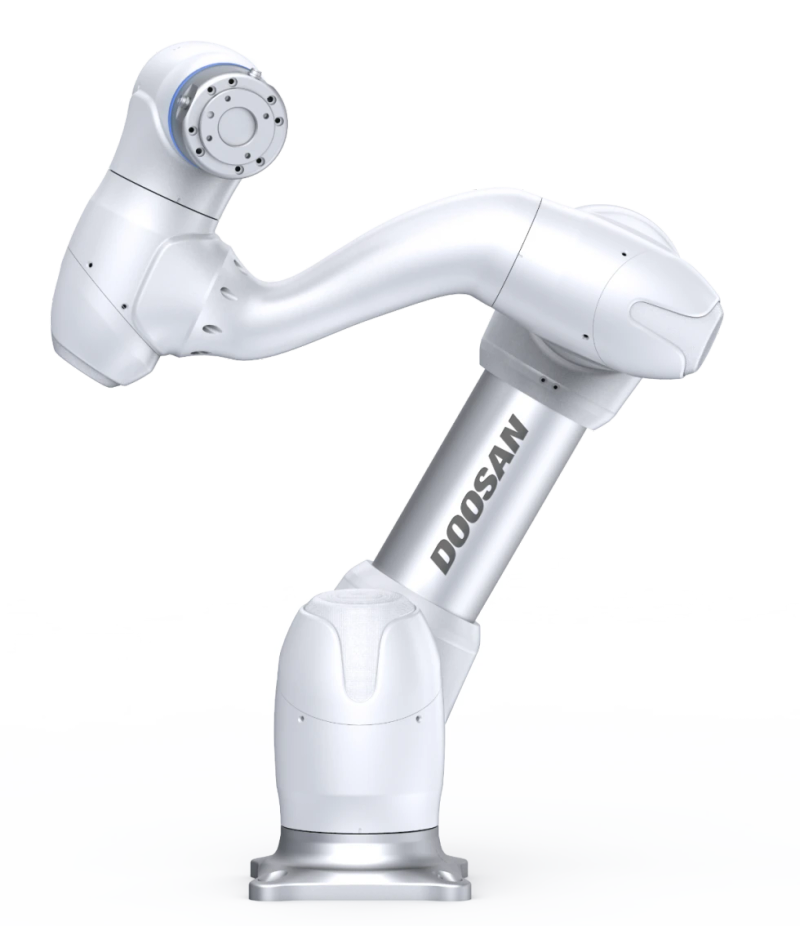
Doosan wants its robots to graduate from programmable arms into AI-first industrial workers, and NVIDIA is supplying the nervous system
Doosan's June 7 expansion with NVIDIA matters because it combines Isaac Sim, Isaac Lab, Cosmos, Newton, and Jetson Thor inside an Agentic Robot OS aimed at making industrial robots more adaptive, mobile, and economically scalable.