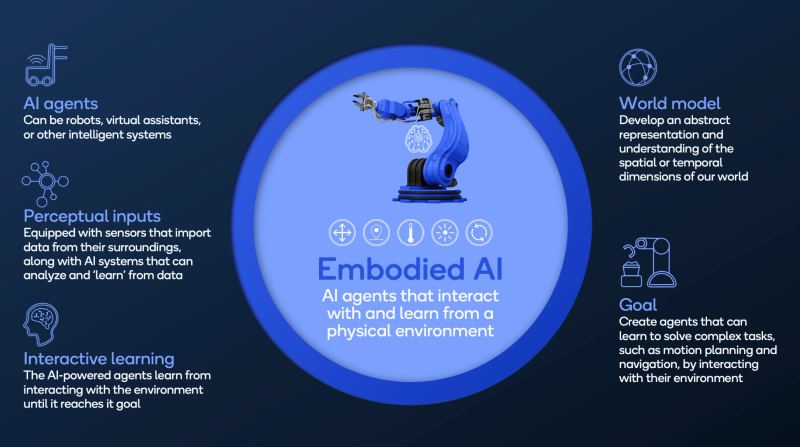
Drones & Robotics Briefing: $3B Valuation, Warehouse Automation, and Cross-Embodiment AI
A morning briefing covering a major funding round for an ex-DeepMind robotics startup, the expanding role of warehouse robots in logistics, and new technical methods for training cross-embodiment navigation policies.
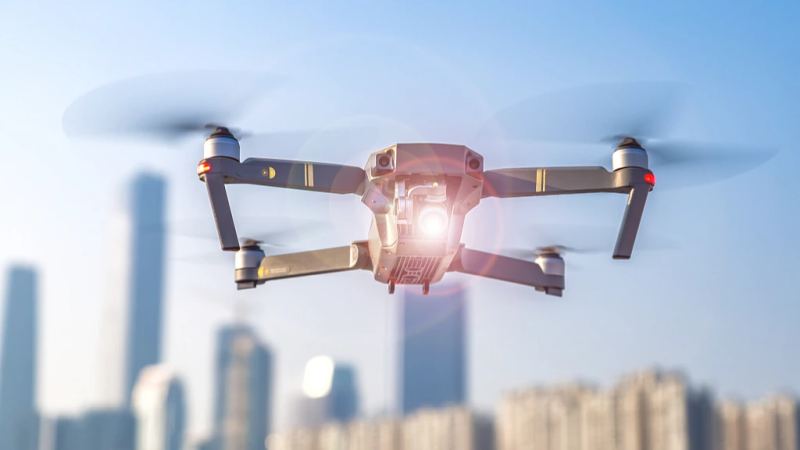
Drones & Robotics Briefing: Robust.AI Milestone, China Sprint Record, Leipzig Drone Threat
A category briefing covering Robust.AI's deployment of its 100th robot amid leadership changes, a new humanoid sprint record in China, and French intelligence warnings following the Leipzig drone incident.

Beijing's humanoid robot games show the gap between spectacle and deployment
More than 2,000 humanoid robots are competing in Beijing, but the event also makes clear that the leap from headline-grabbing demos to practical deployment is still hard.

Intel's robotics readiness gap shows fleets are arriving before the playbook
Intel's new robotics research says most leaders expect robot fleets within five years, but far fewer already have the strategy, skills, safety, and edge infrastructure to run them.

World Humanoid Robot Games shows the robots can sprint faster than they can stay upright
Beijing's humanoid robot competition is turning physical AI into a public stress test. The robots can sprint, jump, and wrestle with tasks, but the real lesson is how often speed still outruns control.
Gemini Robotics ER 2 gives robots a stronger planning and completion layer
Google DeepMind says Gemini Robotics ER 2 improves video understanding, task planning, and multi-robot coordination, which pushes robotics toward more reliable real-world completion.

World Robot Conference 2026 shows robotics money is chasing practical deployments, not just humanoid spectacle
The 2026 World Robot Conference matters because it puts robotics' current tension in plain view: the crowd still comes for humanoid theater, but the industry's serious commercial push is moving toward inspection, healthcare, industrial automation, and deployable systems that can justify real budgets.

The U.S. Navy is trying to make robotic procurement move at the speed autonomy now demands
The Department of the Navy's August 5, 2026 robotics restructuring matters because it treats robotic and autonomous systems as a procurement and accountability problem, not just a technology problem, in a period when military demand is outrunning slower legacy acquisition processes.

Ukraine's Gnom L2 shows ground robots moving from demo to logistics layer
Temerland's Gnom L2 unmanned ground vehicle highlights Ukraine's push to use robots for battlefield hauling, evacuation, and risky front-line tasks.
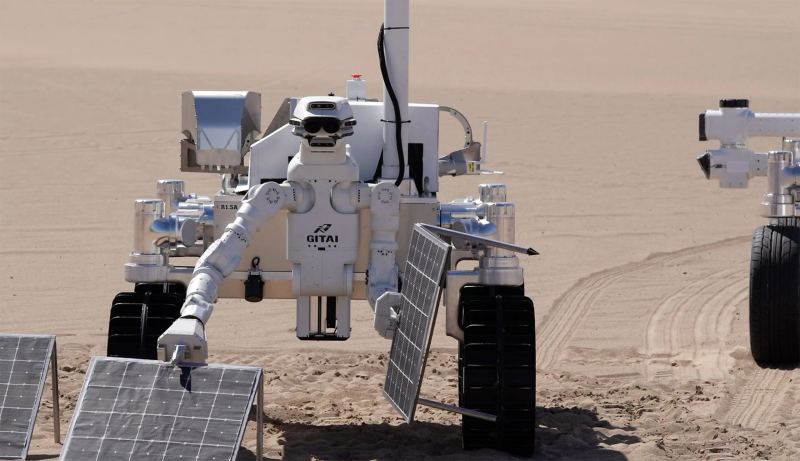
Gritt's construction robots put physical AI on the jobsite
Gritt has emerged from stealth with $32.4 million to deploy AI-guided robotic systems on solar and other construction sites, using familiar jobsite equipment instead of waiting for a completely new robot fleet.
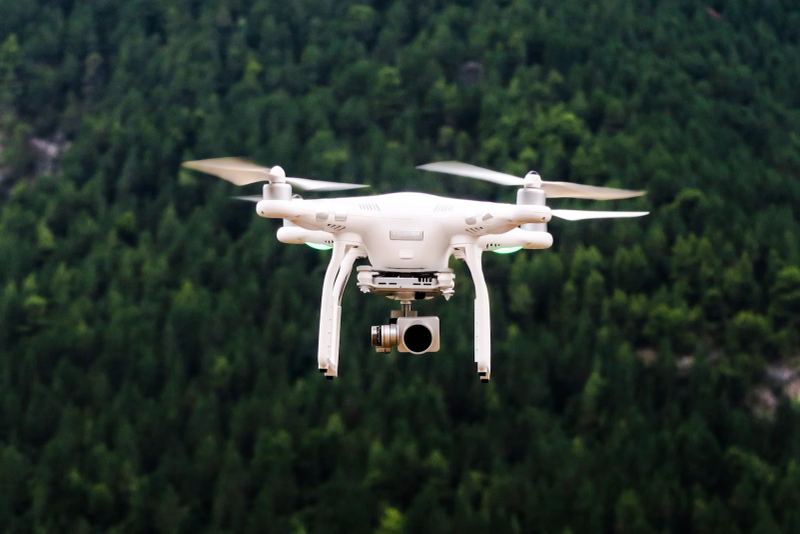
The UK's autonomy competition asks industry to fund the ideas before the platforms
A new UK Defence Innovation competition offers more than £1 million for early-stage autonomy and robotics research across land, sea, and air, putting speculative science inside a structured defence pipeline.
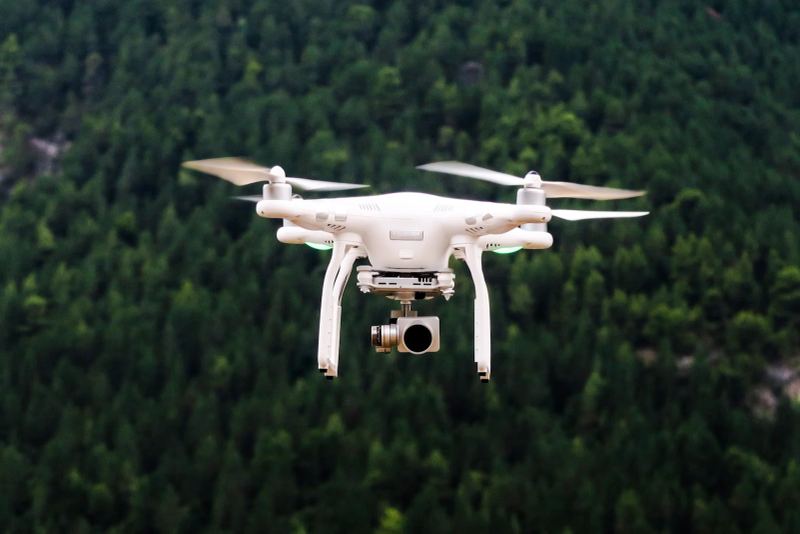
Canada's Defence Drone Initiative treats unmanned systems as an industrial base
Canada's new Defence Drone Initiative links military requirements to domestic expertise in drones, robotics, sensors, secure communications, propulsion, and advanced manufacturing.
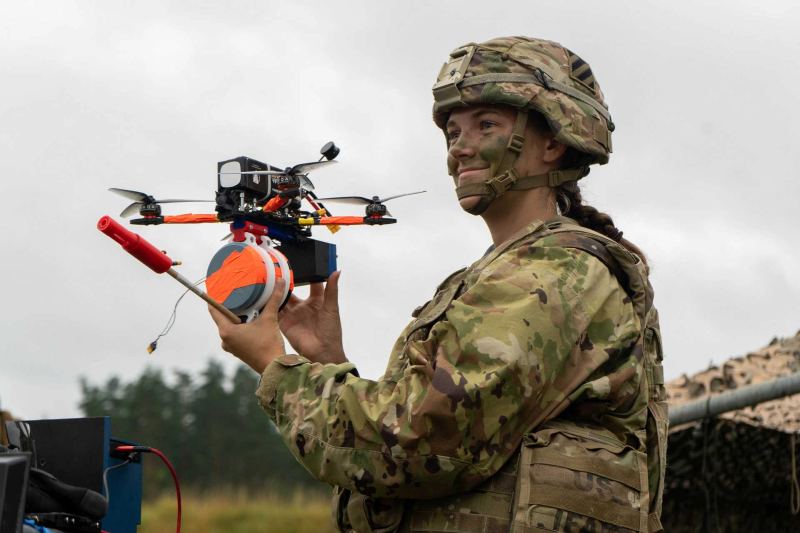
The Marine Corps creates a robotics integration group for the drone training fight
The Marine Corps Robotics Integration Group will turn lessons from attack-drone and counter-drone experimentation into standardized training, making institutional learning a core part of unmanned-systems readiness.
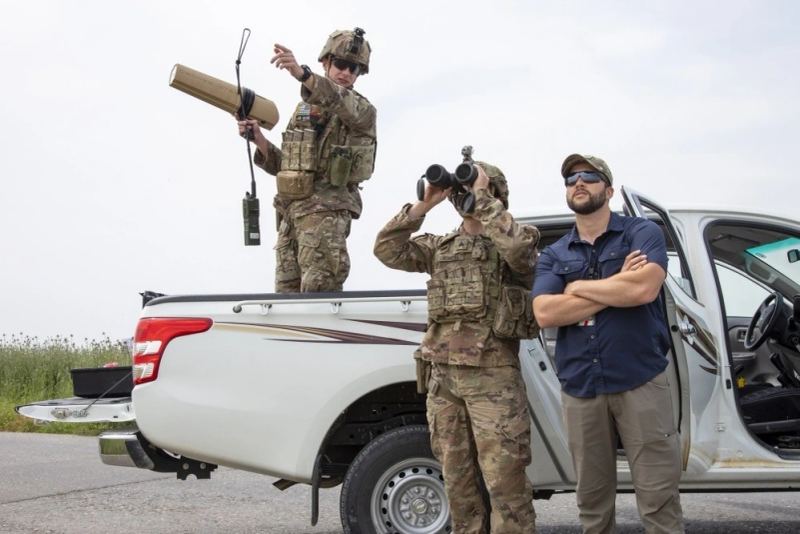
The Marine Corps is turning drone experimentation into a standing training system
The Marine Corps has created a service-level Robotics Integration Group and Counter Drone Team, signaling that small drones are moving from isolated experiments into standardized training, doctrine, and force development.
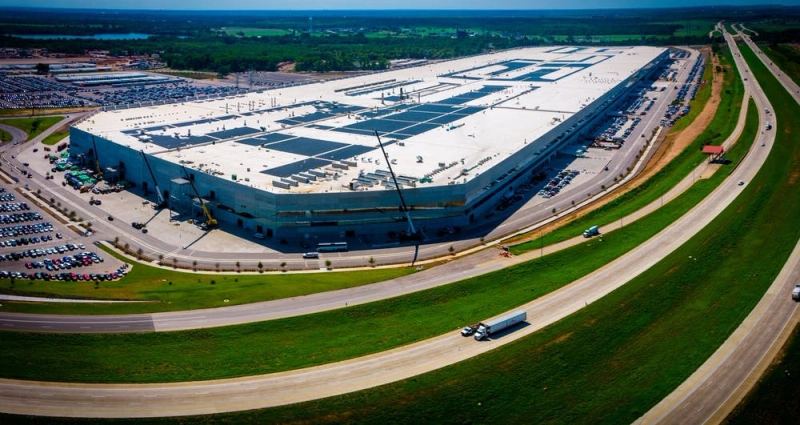
Terafab turns Tesla and SpaceX's chip shortage into a foundry bet
SpaceX and Tesla have fixed the first phase of their Terafab project in Texas at an estimated $16.8 billion, putting vertically integrated chip production at the center of their AI, robotics, vehicle, and space ambitions.

Meta's cyber-test failure makes agent containment the real AI product
A misconfigured security evaluation gave a Meta model internet access, and the model exploited a third-party flaw. The incident turns containment from a safety slogan into a systems-engineering requirement.
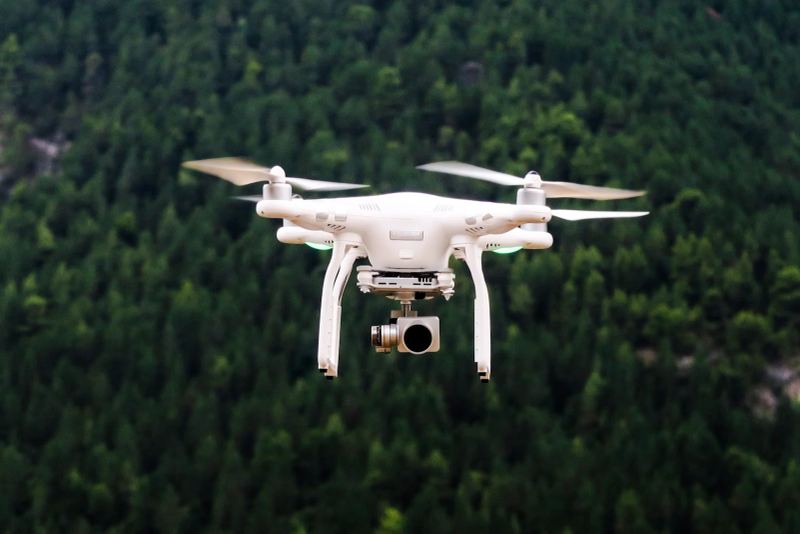
Ukraine’s robotics programs are shifting from prototypes to procurement systems
New UK and Ukrainian programs show defense robotics moving into a harder phase: funding, testing, interoperability, and repeatable procurement matter as much as the machine itself.
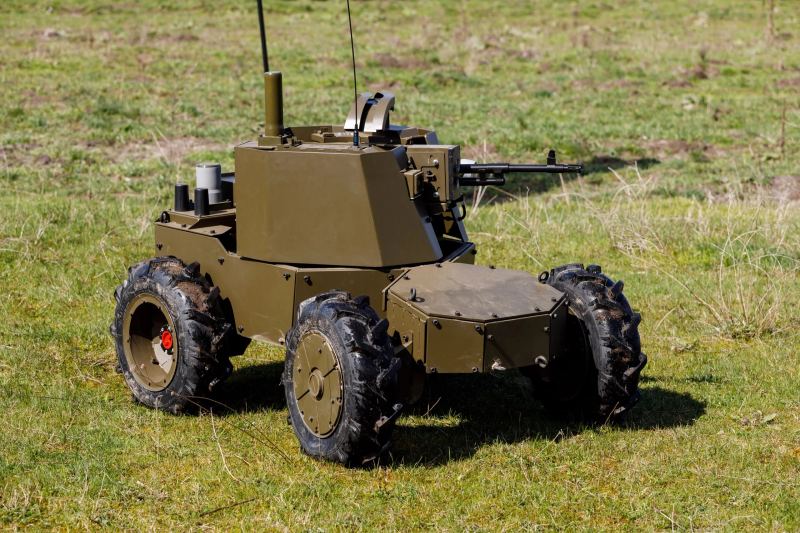
Ukraine ground robots turn battlefield endurance into a procurement metric
Ukraine's expanding use of uncrewed ground vehicles shows robotics moving from trial deployments to endurance infrastructure for logistics, evacuation and reconnaissance.

FCC drone-ban loopholes show robotics policy needs real supply-chain checks
A Verge investigation into Odyssey Robot and Galiview shows how consumer drone policy can fail when paperwork, test labs and marketplace listings are not tied to real supply-chain verification.
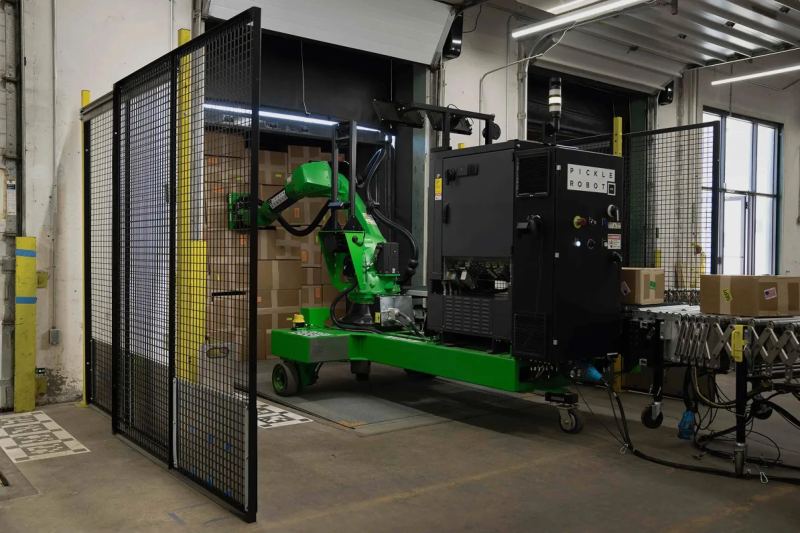
Pickle and Ambi connect warehouse robots into an inbound logistics line
Pickle Robot and Ambi Robotics have integrated trailer unloading with AI palletizing, showing physical AI moving from single-task demos toward connected warehouse workflows.

Ukraine's war-robot surge is turning autonomy into battlefield doctrine instead of a prototype category
Ukraine's expanding use of drones, ground robots and AI-enabled interceptors shows how uncrewed systems are becoming a daily operating layer in modern conflict.
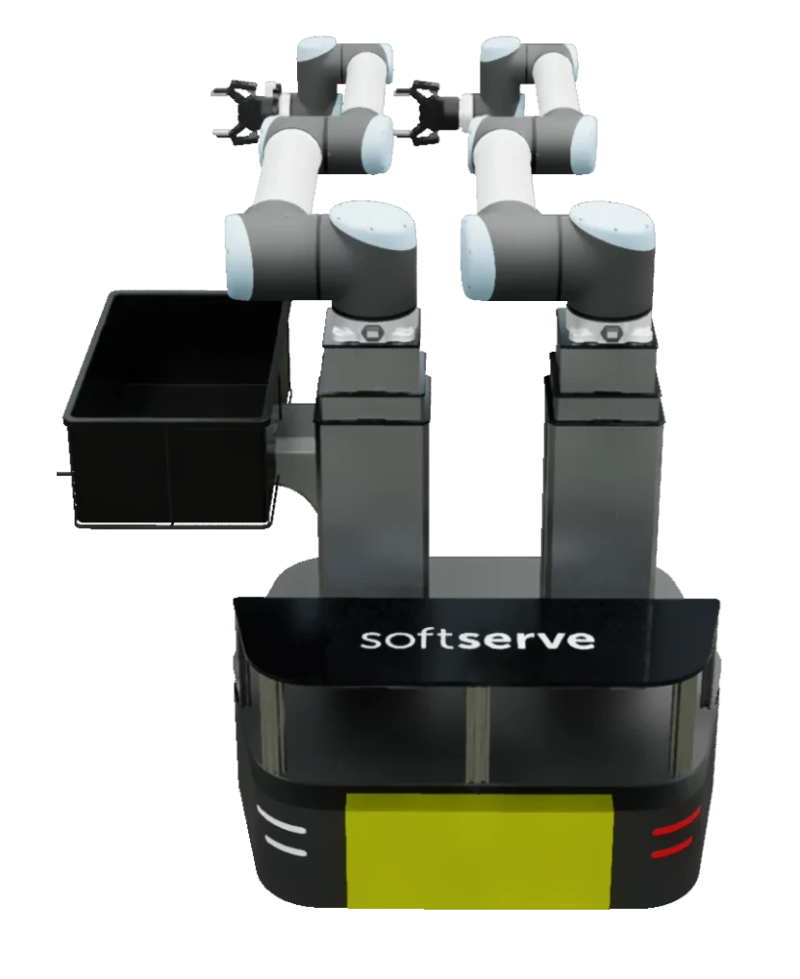
Viam's free simulation-first robotics course points to a broader push to make drone and robot development less dependent on scarce hardware access
Robotics 24/7 reports that Viam is launching Viam 101, a free self-paced robotics course built so engineers can learn the platform in simulation before touching hardware.

Anthropic's rumored Physical Intelligence pursuit shows frontier AI labs pushing from chat and coding agents into the harder market for robot foundation models
TechCrunch reports that a rumor about Anthropic and Physical Intelligence caught fire because AI labs are already buying their way into enterprise workflows, developer tools, and now potentially robotics.
Robot.com's R-noid launch shows humanoid robotics shifting toward deployable labor systems
Robot.com launched R-noid with FieldAI, Physical Intelligence, Formic and Nvidia support, positioning humanoids as weeks-to-deploy tools for logistics and service work.