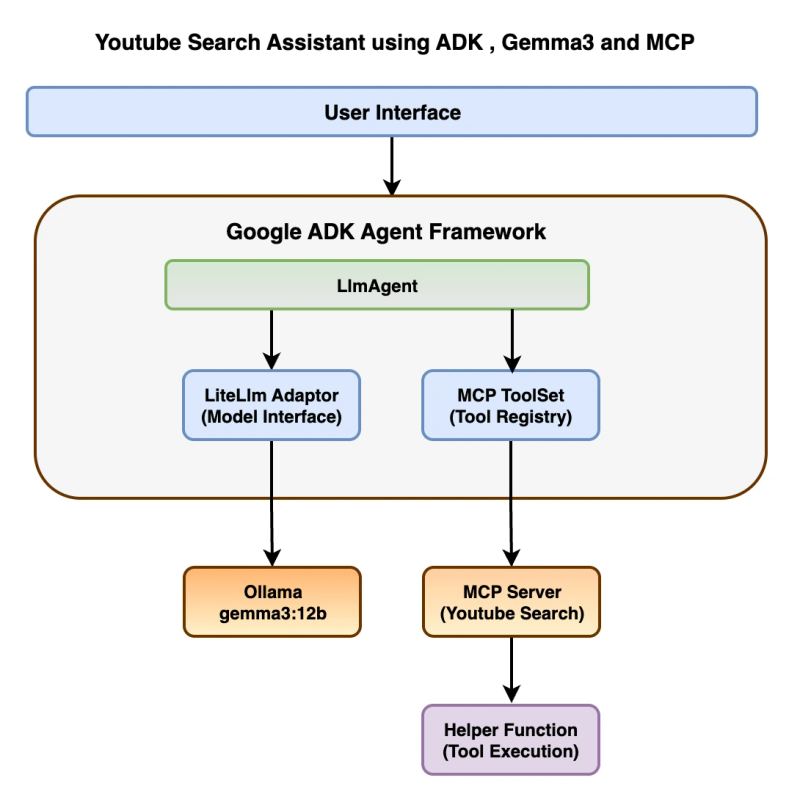
Google Cloud's MCP Toolbox push says enterprise software is becoming agent-readable infrastructure
Google Cloud's MCP Toolbox work points to a bigger enterprise software shift: agents are no longer useful if they only chat; they need governed, auditable access to the systems where company data actually lives.
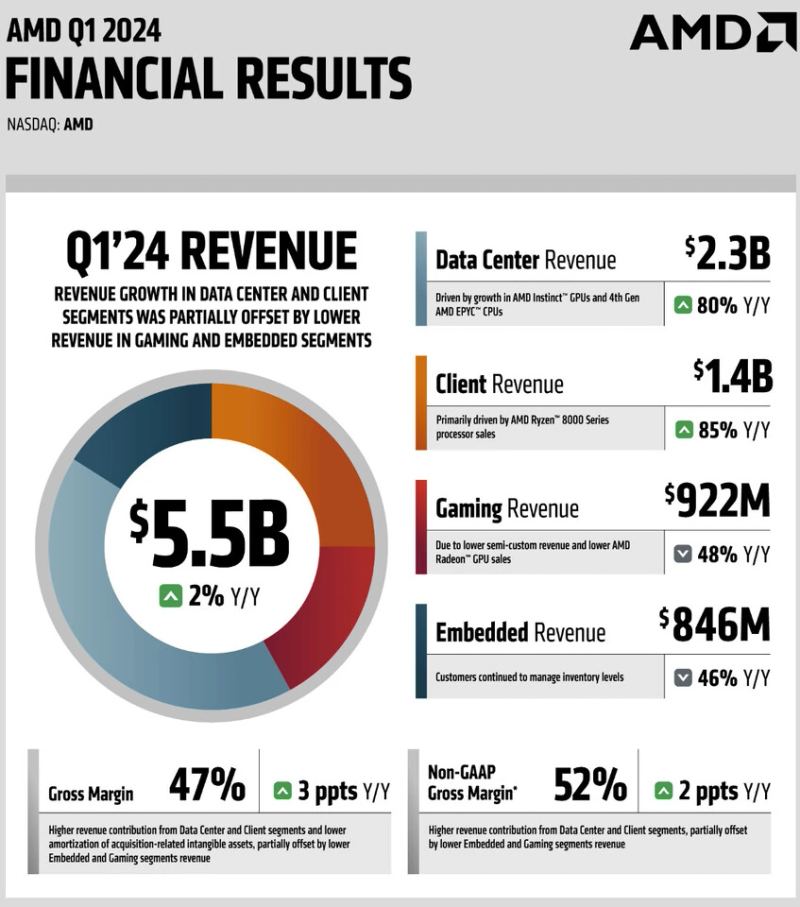
AMD's first quarter says AI hardware demand is real, but the next pricing shock may hit the broader PC market first
AMD's May 5, 2026 results show the upside of the AI buildout and the strain it creates elsewhere: data center revenue keeps accelerating, but rising memory and component costs are starting to squeeze the consumer side of the hardware market.
Software Morning Briefing: AI Infrastructure, Enterprise Pivots, and Market Shifts
A roundup of today’s software landscape: Zyphra’s AMD-backed AI cloud, BlackBerry’s automotive cybersecurity pivot, Paycom’s earnings beat, and critical warnings on cracked software distribution.
Teradata's Autonomous Knowledge Platform says enterprise software is being rebuilt for always-on agents, not dashboard users
Teradata unveiled its Autonomous Knowledge Platform on May 7, 2026 as a unified environment for AI, analytics, and enterprise data across cloud, on-premises, and hybrid deployments. The deeper software signal is that vendors now believe always-on agents need a different product shape than the dashboard-and-query systems built for human operators.
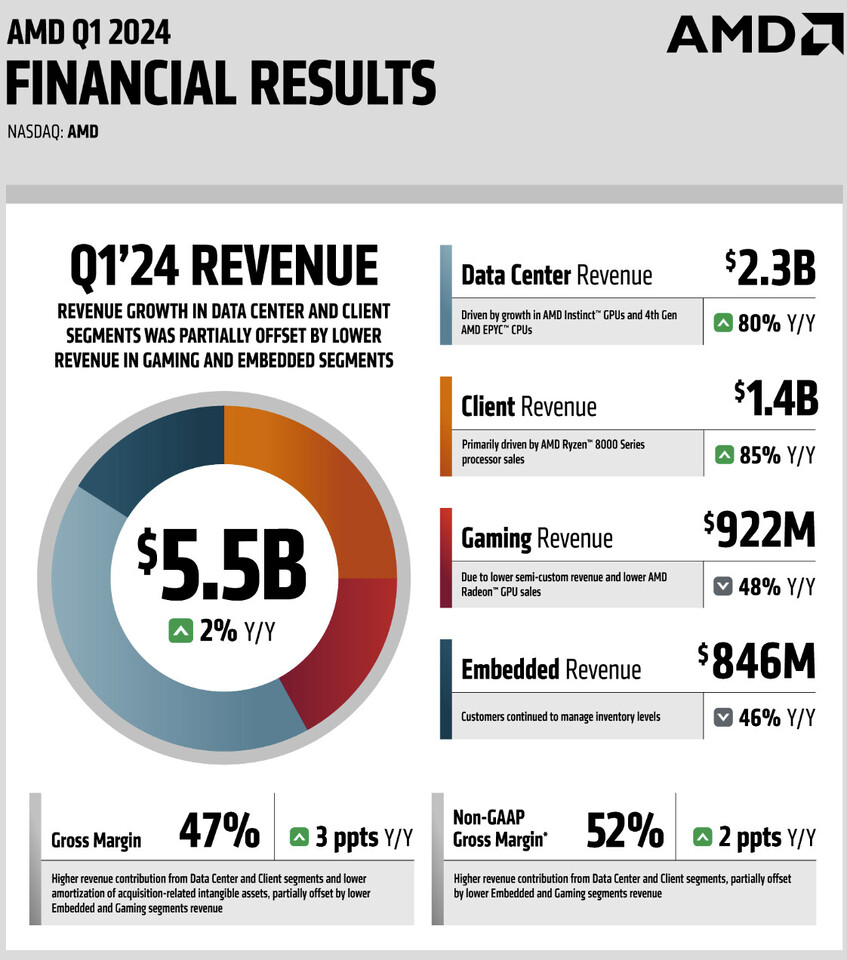
AMD's first-quarter results say the hardware winner in AI may be the vendor that can scale supply faster than demand is rational
AMD reported first-quarter 2026 results on May 5 showing $10.3 billion in revenue and Data Center as the main driver of growth. The larger hardware signal is that the AI infrastructure race is no longer just about peak chip launches. It is about who can translate demand into deliverable systems, supply visibility, and large-scale deployment confidence.
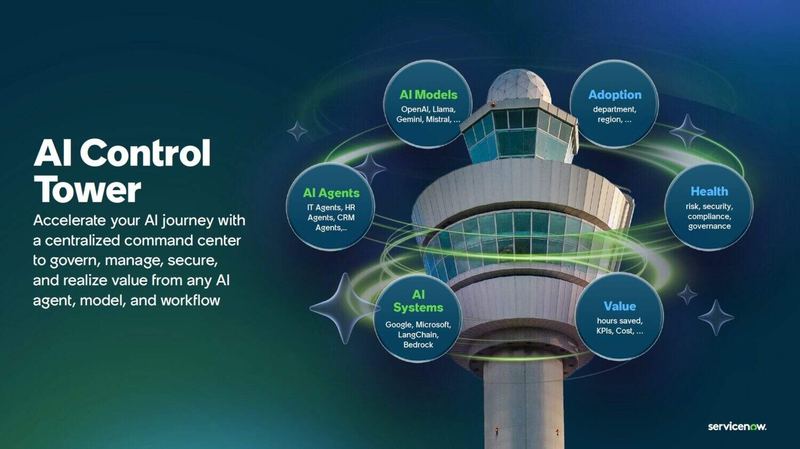
ServiceNow's AI Control Tower expansion says enterprise software is racing to become the operating layer above agents
ServiceNow expanded AI Control Tower on May 5, 2026 with broader discovery, runtime observability, governance, security, and ROI tracking across third-party AI systems. The move matters because enterprise software platforms are competing to become the layer that can see, govern, and shut down agents across fragmented model, cloud, and workflow environments.
Sysdig's headless cloud security launch says enterprise software is being rebuilt for agent-to-agent operation
Sysdig announced on May 6, 2026 that it introduced what it called the industry's first headless cloud security platform built for AI agents. The significance is not the branding alone. Software vendors are increasingly redesigning core products so security, policy, and telemetry can be consumed directly by autonomous systems and coding agents rather than by humans staring at dashboards.

Arm's results say the AI hardware race is quietly shifting from accelerator headlines to CPU royalty capture
Arm reported record quarterly and full-year results on May 6, 2026, saying data-center royalties more than doubled year over year and growth was supported by Cloud AI, Edge AI, and Physical AI. The bigger hardware signal is that the AI buildout is no longer only a GPU story; the control plane, host CPU, and broader compute architecture are becoming strategically valuable again.

Rackspace and AMD pitch governed AI cloud as regulated buyers push back on generic GPU rental
Rackspace and AMD said on May 7, 2026 that they signed a multiyear framework to build a governed Enterprise AI Cloud around AMD Instinct GPUs and EPYC CPUs. The story matters because hardware differentiation in AI is shifting from raw accelerators alone toward who can package compute, governance, and accountability into a deployable stack for regulated workloads.
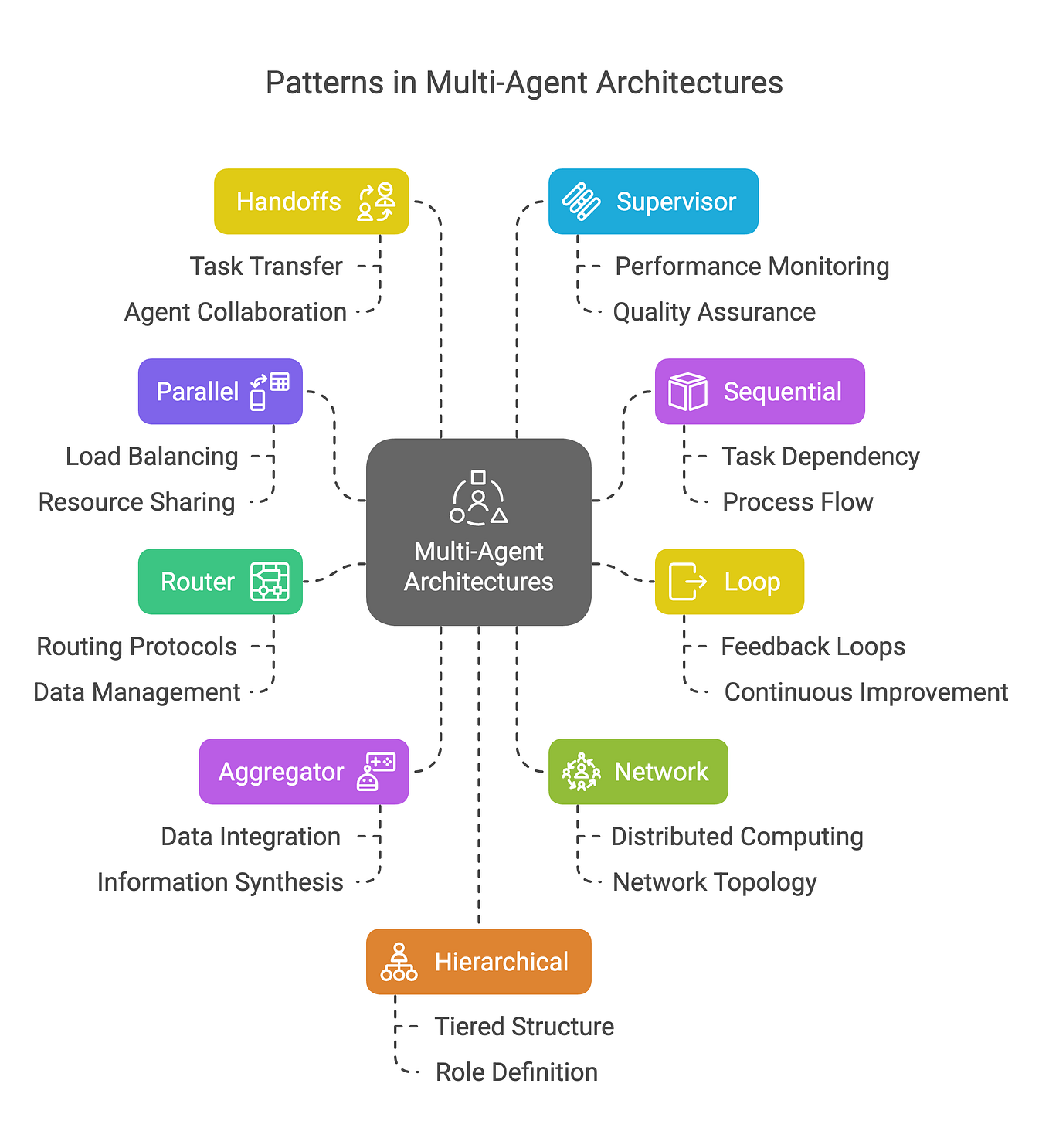
UiPath's public-sector release says agentic AI is moving on-prem before many governments trust the cloud
UiPath's May 5 and May 6 rollout of on-premises agentic AI capabilities for government buyers matters because it pushes the agent story into one of the most constrained enterprise environments. If public-sector teams want automation and agents without giving up data residency, air-gapped controls, and procurement discipline, the next AI battleground becomes deployment architecture rather than model novelty.
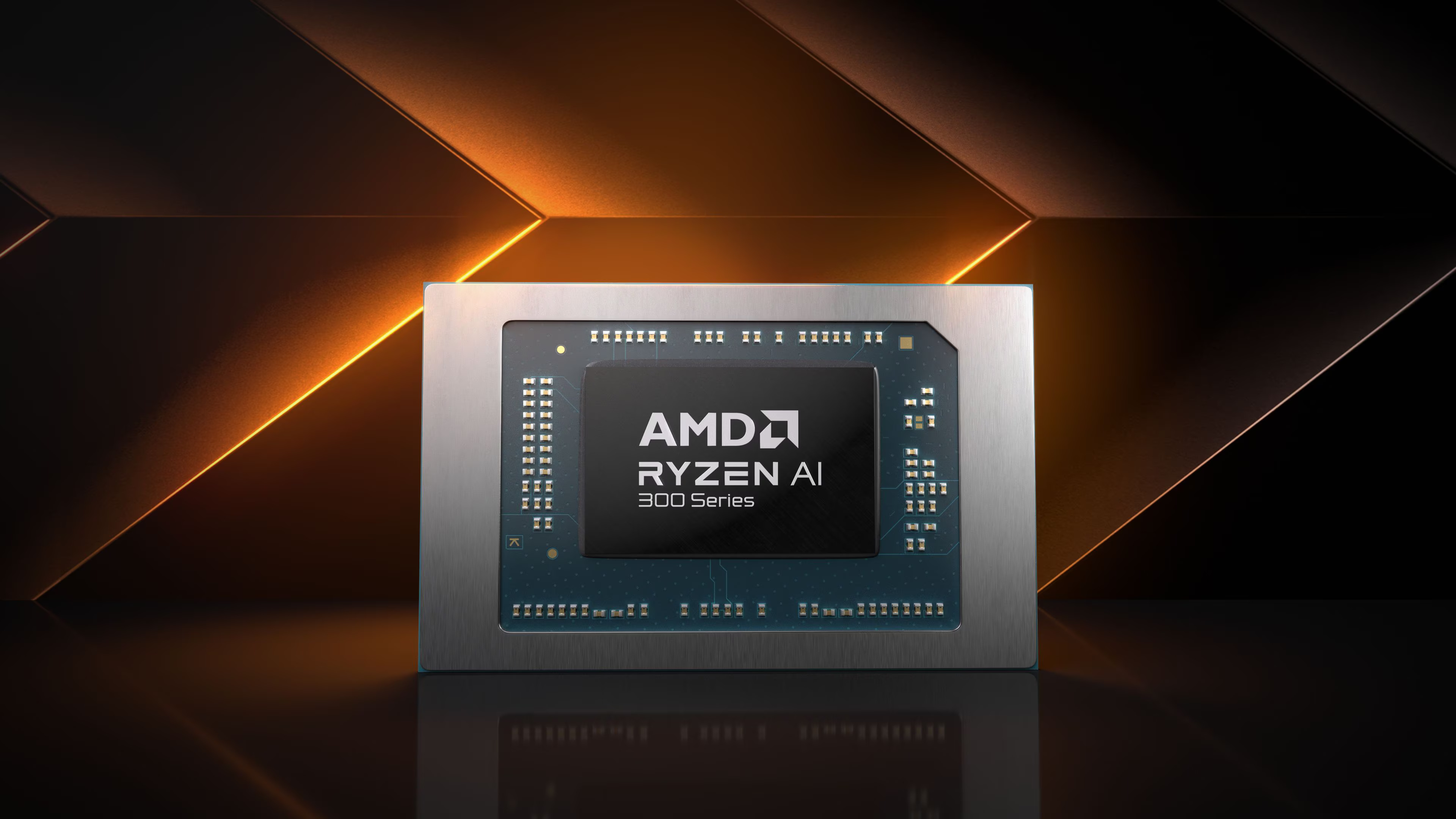
AMD's latest quarter says AI hardware demand is broadening beyond the GPU headline
AMD's May 5 first-quarter results matter because they show AI hardware demand spreading across a fuller systems stack. With data-center revenue up 57% to $5.8 billion, stronger EPYC adoption, continued Instinct ramp, and new collaborations spanning Meta, cloud providers, Samsung, and TCS, the story is less about one accelerator cycle and more about whether AMD is turning AI infrastructure into a multi-product platform business.

Lattice's AMI deal says the cloud control stack is becoming hardware's new choke point
Lattice's planned acquisition of AMI matters because it reveals where value is accumulating in AI hardware: not only in accelerators, but in the low-level control, firmware, and manageability layer that keeps complex cloud systems secure and operational. As datacenters grow more modular and AI-heavy, control-plane tooling is becoming a strategic silicon story.
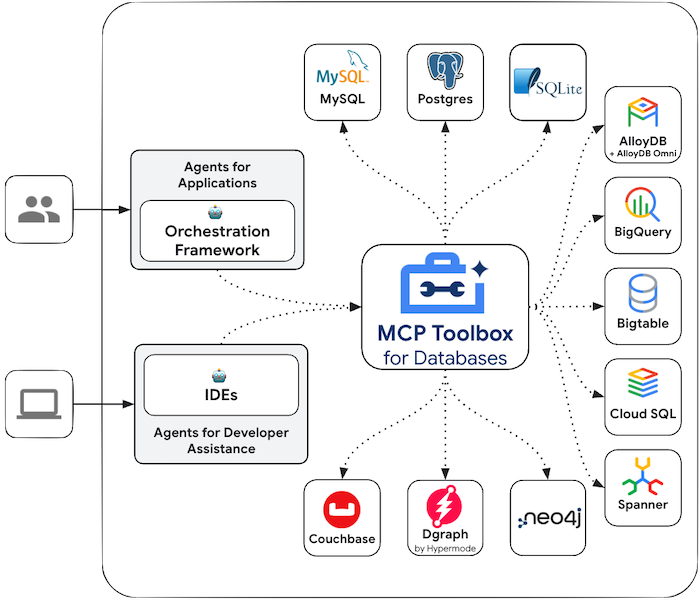
Google Cloud's MCP toolbox push says agent-native database tooling is moving into the platform layer
Google Cloud's latest push around MCP Toolbox for Databases matters because it turns a once-experimental agent connector into a platform story. When database access, schema discovery, and prebuilt agent tools move into mainstream developer workflows, software teams start treating agent integration less like a hack and more like standard infrastructure.

OpenAI's Microsoft rewrite turns frontier AI into a multi-cloud market
OpenAI's late-April rewrite of its Microsoft relationship matters less as partnership drama than as market structure. By converting exclusivity into first-refusal economics, OpenAI widened its infrastructure options, protected Stargate-scale expansion, and signaled that frontier AI capacity is now too large to sit inside a single-cloud dependency.

Big Tech's $700 billion AI spend is becoming a cloud revenue sorting machine
Alphabet's April 30 cloud breakout, Amazon's AWS results, and OpenAI's new Stargate update all point to the same shift: AI competition is no longer about demos alone, but about who can turn compute into durable revenue fastest.

Vercel's April breach turns plaintext environment variables into a software supply-chain lesson
Vercel's security bulletin is not just another cloud incident report. It is a sharp reminder that modern developer platforms are only as safe as their OAuth surface, secret defaults, and visibility into what counts as sensitive.

Qualcomm is using a handset bottom call to buy time for a data-center pivot
Qualcomm's latest quarter did not erase weak near-term guidance, but it gave investors something more valuable: a credible path from smartphone stabilization to custom silicon and AI inference in the data center.
DeepSeek V4 is turning Huawei's AI stack into a demand signal, not a workaround
DeepSeek's V4 launch has moved China's AI conversation from model hype to stack validation, with Huawei chips, cloud rollouts, and agent tooling all tightening into one commercial proof point.

GitHub Copilot usage billing exposes the real cost of AI coding agents
GitHub is replacing premium requests with AI Credits, a pricing shift that makes long-running coding agents look more like cloud compute than ordinary SaaS.