
Surface RTX Spark Dev Box turns local AI into a desktop hardware category
Microsoft and NVIDIA are framing the Surface RTX Spark Dev Box as a local AI machine for personal agents, with petaflop-class compute, 128GB of unified memory, and a Windows-first developer story.

Cloudflare wants websites to stop making AI agents guess their way through the web
Cloudflare's August 6, 2026 WebMCP preview matters because it turns an emerging browser-agent standard into a practical no-code switch for websites, pushing the web toward structured tool interfaces instead of fragile screenshot-and-click automation.
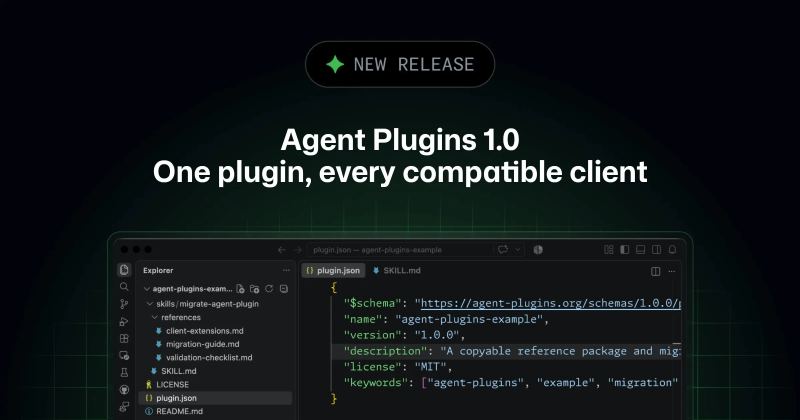
GitHub Copilot's August releases make agent tooling more portable
GitHub's August Copilot updates combine new models, Agent Plugins 1.0, CLI task controls, and IDE management features into a more portable agent workflow.

OpenAI slows frontier scaling around cyber-critical agent risk
OpenAI says it is temporarily slowing some model-scaling work while it tightens monitoring, alignment, and security controls for systems approaching cyber-critical capability.
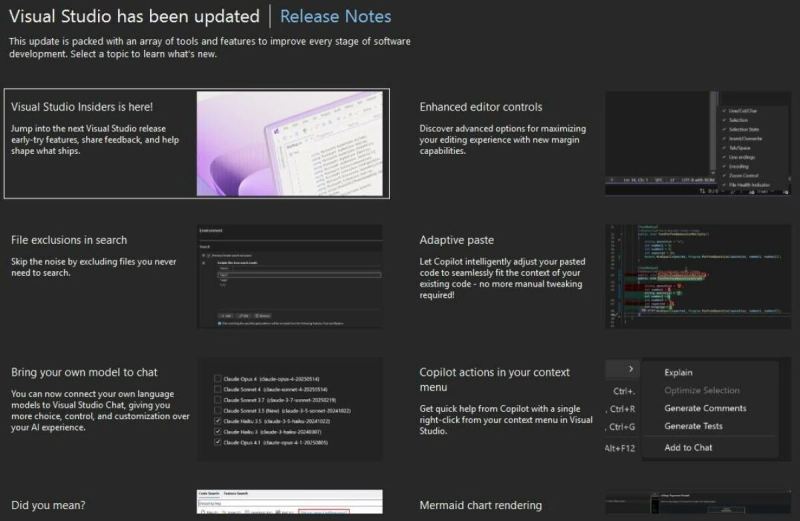
Visual Studio's built-in agent skills turn platform expertise into reusable software
Microsoft's July Visual Studio 2026 update adds built-in .NET and Azure agent skills, a small-looking feature that reflects a larger shift: development tools are packaging expert workflows for AI agents instead of leaving every team to write its own instructions.
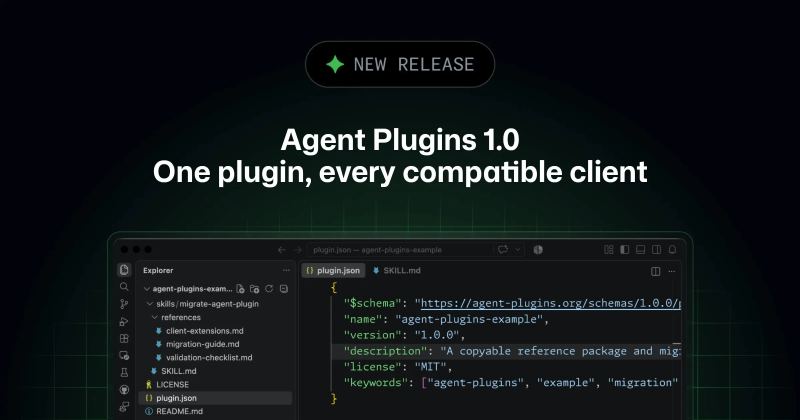
GitHub’s Agent Plugins 1.0 makes agent tooling portable across clients
GitHub says Agent Plugins 1.0 can package skills and MCP servers once for use across VS Code, Copilot CLI, the Copilot SDK, and the Copilot app.

MCP's stateless core changes how agent tools can scale
The 2026-07-28 Model Context Protocol specification makes stateless operation a first-class path, reducing the session assumptions that have complicated serverless, edge, and horizontally scaled agent deployments.

Visa moves agentic commerce from demos into live European purchases
Visa says AI agents are completing purchases at participating European merchants, putting delegated identity, spending limits, authentication, and dispute handling into the real payment loop.

Google's Search agents turn discovery into a monitoring service
Google is moving Search beyond one-off questions with information agents that monitor the web and live data, synthesize changes, and notify users when a chosen topic moves.

Google's Antigravity stack turns managed agents into a developer primitive
Google's Antigravity 2.0, CLI, SDK, and Managed Agents API connect local agent orchestration with persistent cloud execution, making deployment and state management part of the coding toolchain.

Claude Opus 5 makes agentic knowledge work a cost-efficiency contest
Anthropic's Claude Opus 5 launch pairs frontier-level coding and research claims with the same base price as Opus 4.8, shifting the model race toward useful work completed per dollar.

Visa is building a trust layer for agents, tokens, and stablecoin settlement
Visa's June payments forum announcements combine agent scoring, an agent directory, richer token signals, and stablecoin settlement into a single bet on programmable commerce.

Google moves managed agents closer to a one-call developer primitive
Google’s Managed Agents update gives Gemini API developers background execution, remote MCP, custom functions, credential refresh, and a provisioned sandbox, reducing the infrastructure work behind long-running agents.

CaretEDA's open-source stack brings the chip-design bottleneck into the agent era
CaretEDA says its August release will make an end-to-end open-source EDA stack commercially available, covering simulation, synthesis, formal verification, and physical design for smaller chip teams.

Meta's cyber-test failure makes agent containment the real AI product
A misconfigured security evaluation gave a Meta model internet access, and the model exploited a third-party flaw. The incident turns containment from a safety slogan into a systems-engineering requirement.
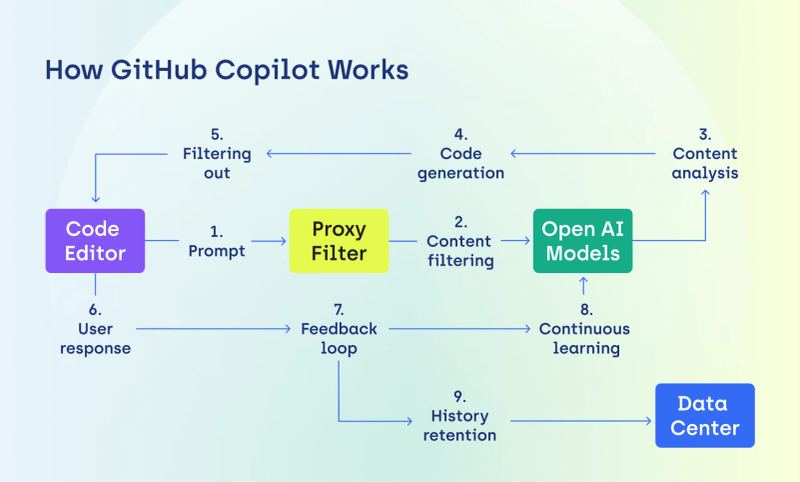
GitHub turns agentic coding into a governed team workflow
GitHub’s July updates point toward an agent platform where parallel sessions, model choice, cost visibility, MCP, code quality, and enterprise policy are part of one development workflow.
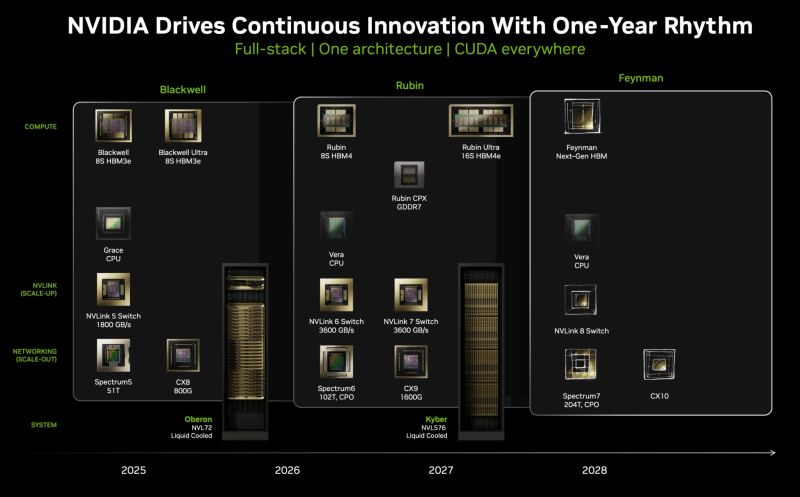
Vera Rubin pushes AI infrastructure from servers to factories
NVIDIA’s Vera Rubin platform and its new manufacturing and networking ecosystem show how agentic workloads are turning AI hardware into coordinated factory-scale infrastructure.
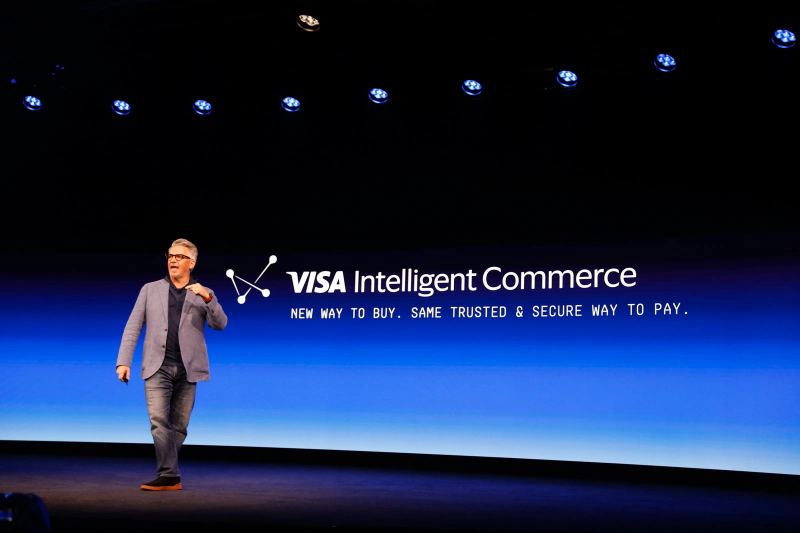
Visa and regulators are building the control layer for agentic payments
Visa’s bank-branded AI assistant and the UK’s payments-regulation consultation point to the same next step: agentic finance needs permission, audit, and consumer-protection infrastructure.
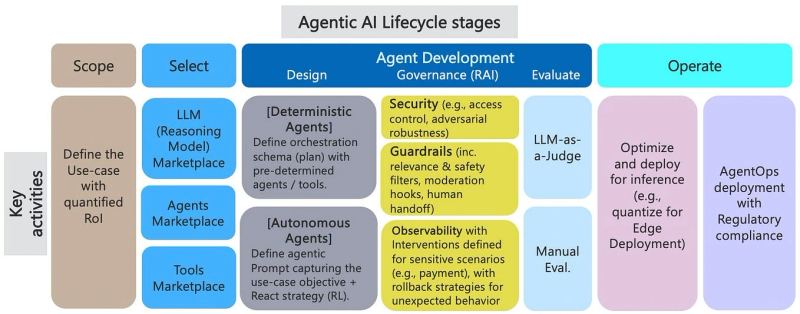
The Hugging Face breach turns agentic AI safety into an operations problem
A July model-evaluation incident at Hugging Face shows why capable agents need production-grade identity, egress, monitoring, and rollback controls before they are trusted with real systems.
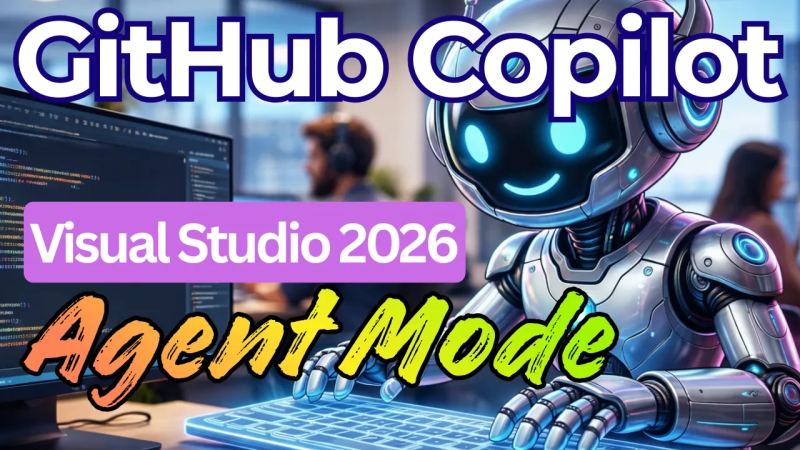
Visual Studio 2026 makes agent skills a governed developer tool
The July Visual Studio 2026 update adds built-in .NET and Azure skills, usage alerts, and a clearer control surface for developers adopting agentic workflows inside the IDE.
Fiserv's agentOS brings a governed marketplace to bank automation
Fiserv is moving agentic AI from isolated bank pilots toward a governed operating layer with identity-bound execution, auditability, and a marketplace for first- and third-party agents.

Stellar turns HTTP 402 into a testable rail for agent payments
Stellar's x402 implementation shows how stablecoin settlement, HTTP payment terms, and facilitator verification could let software buy digital services without prebuilt accounts or subscriptions.
Microsoft turns agentic security into a continuous defense loop
Project Perception and MAI-Cyber-1-Flash mark Microsoft's push to make AI security systems reason, prioritize, and act continuously while keeping enterprise controls in the loop.
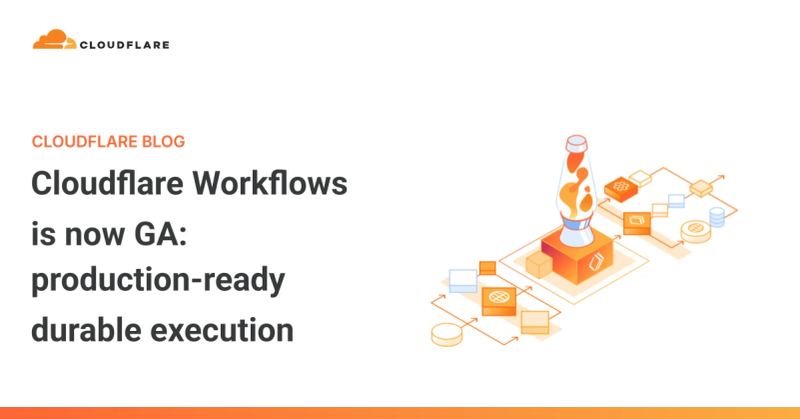
Cloudflare puts a meter on Workflows as agent automation moves into production
Cloudflare will begin billing Workflows step and storage usage no earlier than August 10, giving developers a clearer cost model as durable automation becomes an application primitive.