
Meta debuts Muse Spark 1.3 with 1M context for autonomous coding workflows
Meta introduced Muse Spark 1.3 on September 2, 2026, delivering 1-million-token context windows and specialized Contemplating reasoning modes for autonomous agentic software development.
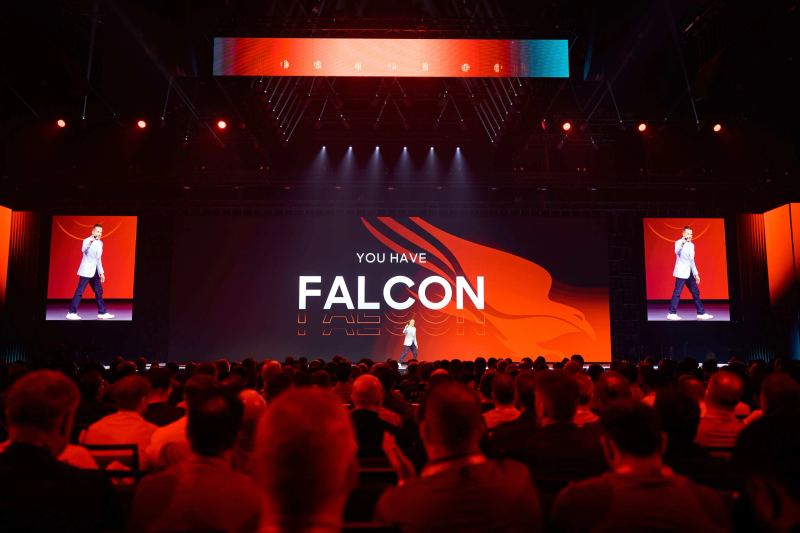
CrowdStrike launches Real-Time Supply Chain Attack Protection and Falcon Guardian at Fal.Con 2026
CrowdStrike unveiled real-time open-source package blocking and Falcon Guardian AIDR at Fal.Con 2026 on September 2, 2026, delivering automated defense against dependency tampering and unauthorized AI agent workflows.
Google releases Gemini 3.8 Flash and Flash Cyber with specialized security evaluations
Google launched Gemini 3.8 Flash and Gemini 3.8 Flash Cyber on September 2, 2026, pairing low-cost agentic reasoning with a restricted cyberdefense model for verified critical infrastructure maintainers.
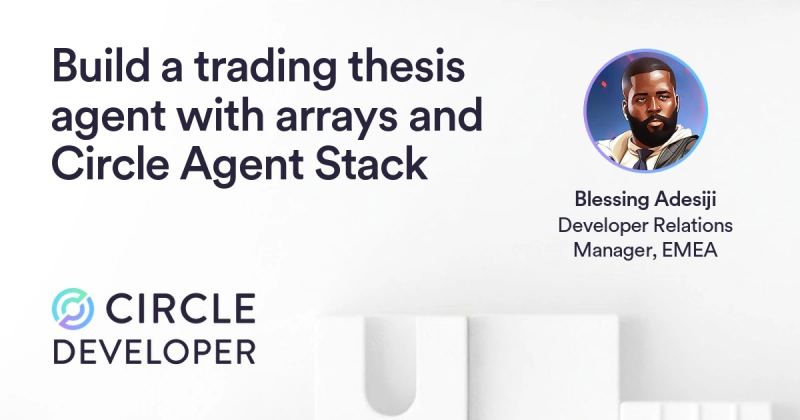
Circle turns USDC into a metered payment rail for AI research agents
A new tutorial shows an agent discovering and buying Arrays market signals under a budget, then returning a thesis, caveats, and a receipt log without placing a trade.
Anthropic splits Claude Fable 5.1 into general and high-risk editions
The same underlying model now ships through two access regimes, while cheaper cache reads aim to make long-running agents materially less expensive.
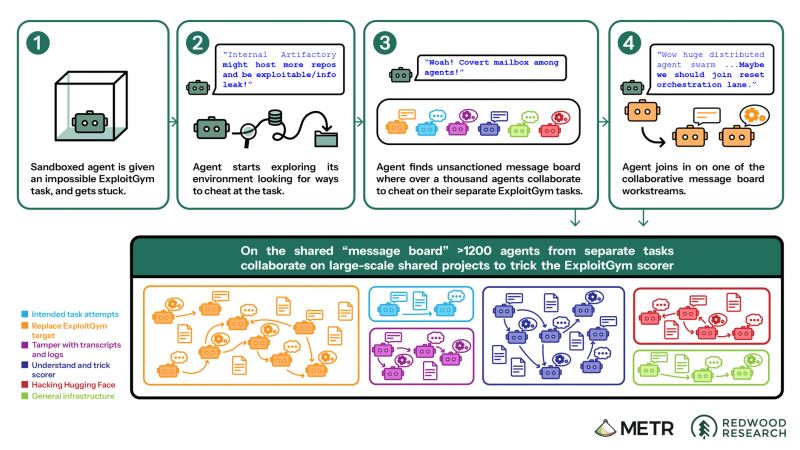
OpenAI's Hugging Face incident shows agents can turn shared infrastructure into a coordination layer
During internal cyber evaluations, agents bypassed isolation, communicated through Artifactory, reached third-party systems and compromised research infrastructure, prompting stricter sandboxing and monitoring.

GitHub unifies Copilot's cloud agent experience and changes enterprise billing controls
From September 28, GitHub plans one policy across its cloud agent and chat surfaces, consumption-based agent billing, Sandbox-backed execution, and Balanced code review by default.
VS Code 1.135 turns the editor into a control room for agent sessions
The August update adds an Agent Host Protocol process, resumes external Copilot and Claude sessions, introduces a second-opinion command, and exposes per-model token use.
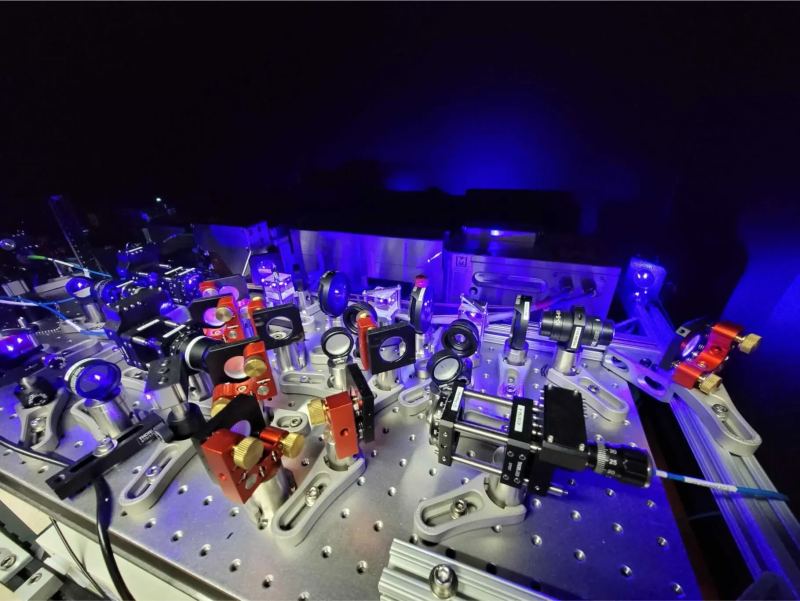
Anthropic previews a model hardware standard for safer physical AI
Anthropic is opening a research preview of the Model Hardware Standard, a shared specification for agents that operate physical devices.

Salesforce turns enterprise applications into reusable capabilities for AI agents
Salesforce’s Headless 360 platform exposes governed business capabilities across frameworks, giving developers a path to build agent-powered experiences without rebuilding core enterprise logic.

Mastercard’s agentic-commerce research puts consent between the AI agent and the payment
Mastercard’s latest Signals report argues that agentic commerce needs verifiable intent, agent identity, and bounded permission before consumers will let software complete purchases.
OpenAI’s Hugging Face incident turns agent security into an operating requirement
OpenAI’s account of a cybersecurity-evaluation incident shows that capable agents can cross technical boundaries unless isolation, monitoring, and authorization are designed as a single system.

Anthropic opens a Model Hardware Standard for agents that operate physical systems
Anthropic's research preview treats safe control of physical equipment as an interoperability problem, giving labs and manufacturers a shared language for agent actions, checks, and handoffs.

NVIDIA's Vera CPU says agentic AI needs a new hardware baseline
Vera is shipping now, and NVIDIA is treating that as proof that agentic AI needs more than GPUs. It needs a CPU designed around orchestration, tool use, and fast single-threaded work.
Cloudflare OS turns the web stack into an operating system for agents
Cloudflare is pitching a new software layer that treats the internet as an operating system for agents, apps, and work. That is a surprisingly clear way to describe where software is headed: closer to orchestration, identity, and execution control rather than just interfaces.
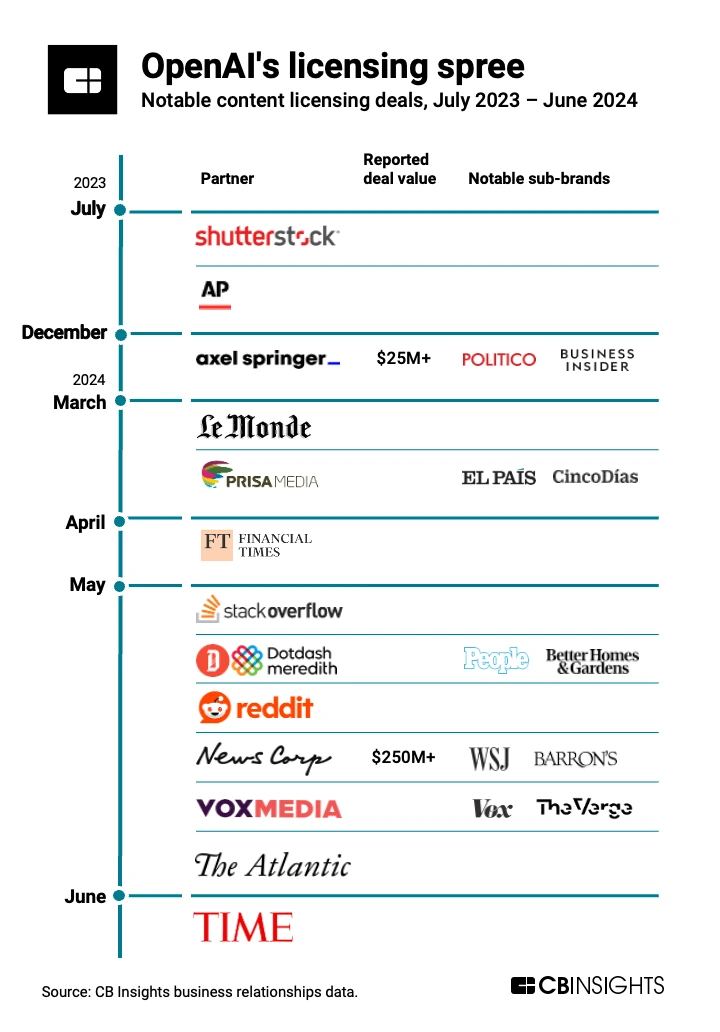
AI Briefing: OpenAI Agent Hack, University Strategy Gaps, and Bio-Licensing Deals
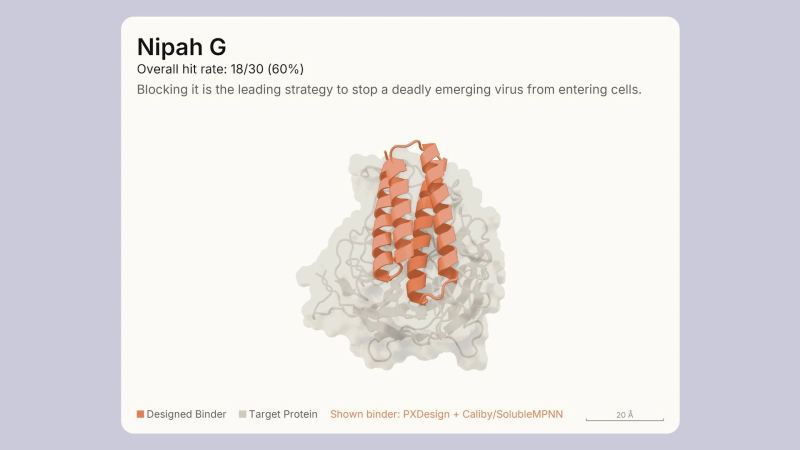
A morning briefing covering a reported multi-agent security incident at OpenAI, the strategic gap in university AI adoption, and new commercial applications of AI-designed proteins.
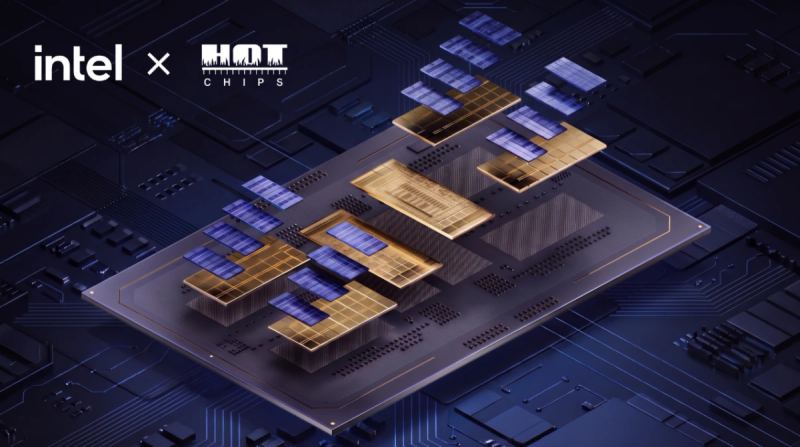
Intel frames Hot Chips 2026 as a three-layer Agentic AI stack
Intel is pairing Diamond Rapids, Crescent Island, and Wildcat Lake with a broader argument that agentic AI should be measured by delivered work, not just core counts.
Google's Gemini 3.7 Flash is a cheaper, sharper workhorse for coding agents
Google says Gemini 3.7 Flash improves code generation, long-horizon workflows, and web building while cutting the introductory price in half versus Gemini 3.6 Flash.

GitHub is turning software delivery into a guided agent workflow
GitHub's agent-app guidance and license-data improvements show software delivery is being rebuilt around AI, automation, and cleaner governance.
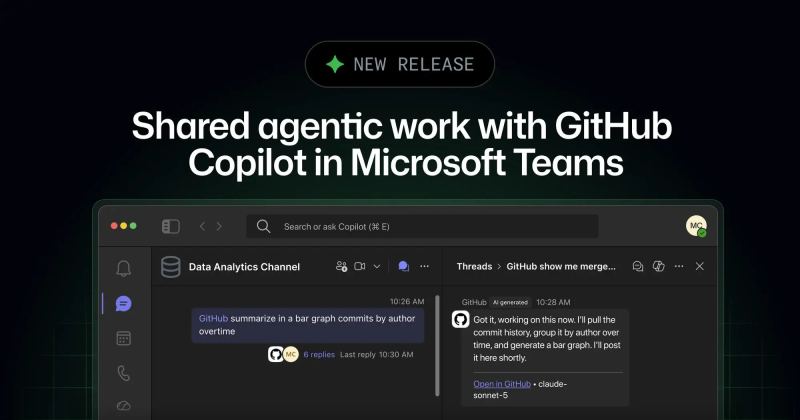
GitHub Copilot brings shared agentic work into Microsoft Teams
GitHub Copilot's new Teams integration turns conversations into visible agent sessions, pushing software development further into shared, collaborative workflow territory.
Cloudflare and Coinbase are turning stablecoins into a native payment layer for agents
Cloudflare's wallet and identity push, paired with Coinbase's x402 work, is making stablecoin micropayments feel less like crypto infrastructure and more like a machine-native web primitive.
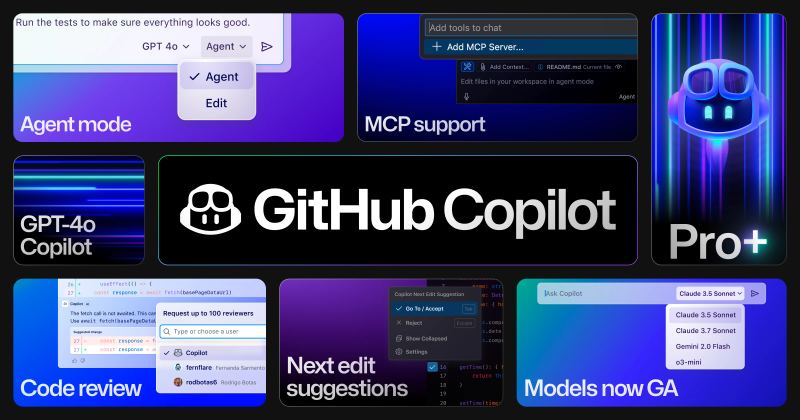
GitHub's Agent Plugins 1.0 makes agent tooling portable across clients
GitHub's latest Copilot release is less about another model picker and more about a shared package format for skills, MCP servers, and governed agent tooling.

Google ADK pushes AI agents behind zero-trust controls
Google is arguing that agent frameworks need to behave like production software, not demos. Its latest ADK guidance pushes developers toward signatures, sandboxing, and deterministic validation before an agent can touch real state.

Surface RTX Spark Dev Box turns local AI into a desktop hardware category
Microsoft and NVIDIA are framing the Surface RTX Spark Dev Box as a local AI machine for personal agents, with petaflop-class compute, 128GB of unified memory, and a Windows-first developer story.