Decentralized finance, blockchain, and crypto markets
Tether's May 1, 2026 reserve report matters because it makes the stablecoin market look less like a speculative sidecar and more like a fast-growing treasury-and-liquidity layer. With a reported $1.04 billion quarter, a larger reserve buffer, and heavy Treasury exposure, Tether is acting increasingly like a private monetary utility wrapped in crypto rails.
Circle's new work with Kyriba is one of the clearest recent attempts to reposition stablecoins as ordinary treasury infrastructure rather than a crypto-native side tool. If the pairing works, USDC starts looking less like exchange plumbing and more like programmable working capital inside enterprise finance stacks.
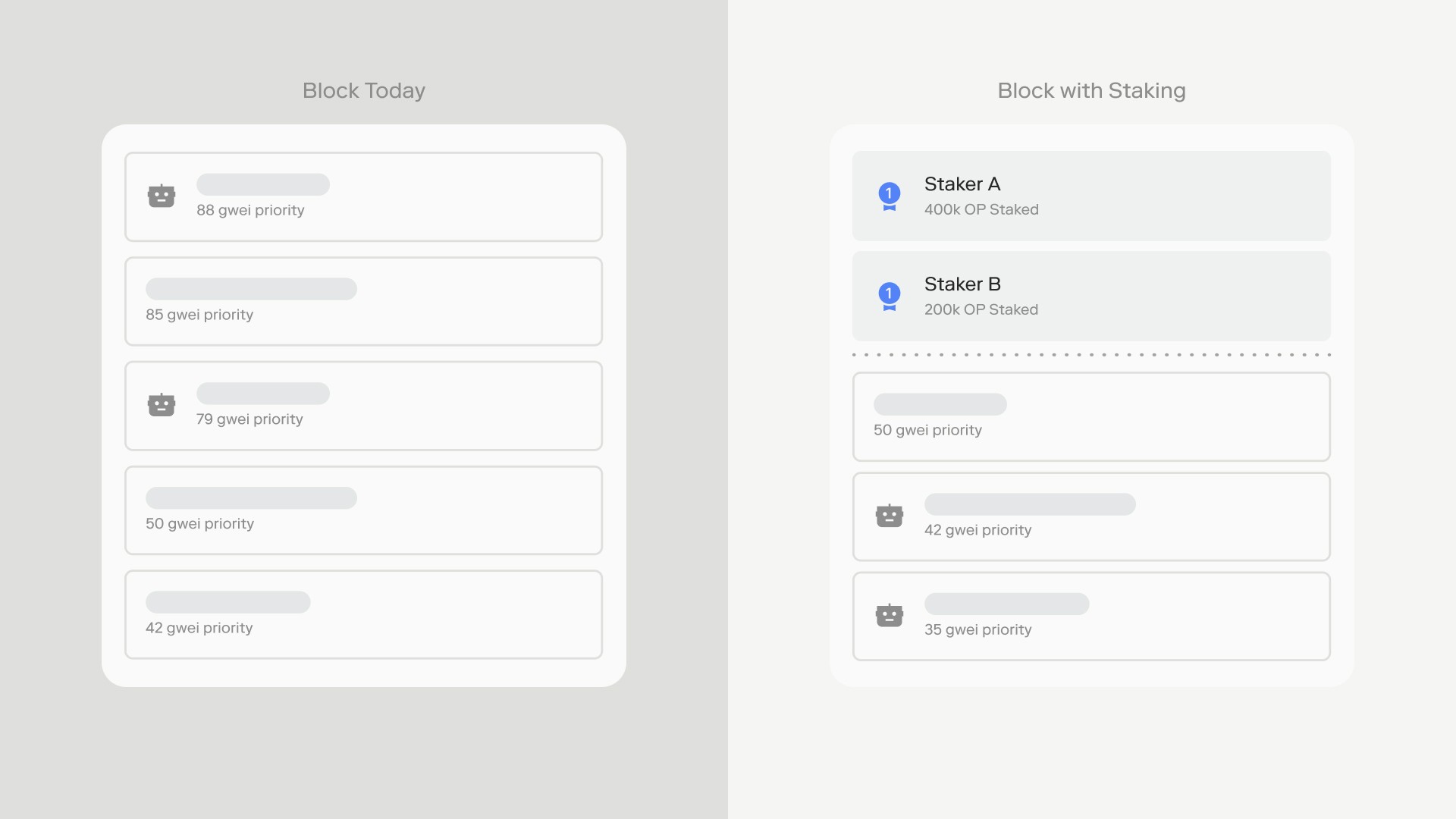
Optimism's April transaction-ordering experiment is not just a protocol tweak. It is a live test of whether a major layer-2 can reduce pure gas wars and give market participants a new way to buy execution quality using stake, time, and bounded economic incentives.
Circle's April 29 mainnet launch for Gateway-powered nanopayments and its April 28 Pharos expansion show where crypto infrastructure may actually find product-market fit in 2026: sub-cent machine payments, crosschain settlement, and programmable dollar liquidity for software agents.
Ethereum Foundation updates from April and February show a quieter but more important crypto story than short-term token noise: the chain's next phase is about making DeFi more usable, more scalable, and less fragile at the protocol and ecosystem level.
Arbitrum's new dynamic reserve price for Timeboost is a subtle infrastructure change with outsized implications: it makes transaction-priority pricing more adaptive, more transparent by API, and more tightly linked to the actual economics of onchain competition.
The KelpDAO/LayerZero incident shows that DeFi risk now lives across bridges, permissions, monitoring, and operational response, not only in contract code.
Fresh stablecoin data and compliance research show a market moving away from pure exchange liquidity and toward payments, settlement, and programmable finance.