PlayStation's June showcase says premium gaming still depends on sequel cadence and event-scale software confidence, not just platform hardware
PlayStation's June 2026 State of Play and Summer Game Fest follow-up show a platform strategy built around dense content cadence, recognizable tentpoles, and confidence in premium console storytelling at a time when live services and rising budgets have made release planning more fragile.
GitHub's MAI-Code rollout says developer software is becoming a model-routing and cost-governance business, not just an assistant feature
GitHub's June 17 and June 18 Copilot updates show a subtle but important shift in software tooling: vendors increasingly differentiate by how they route, price, and deploy models across surfaces, not simply by attaching a chatbot to coding workflows.

Stripe's latest agent payments push says fintech's next moat is a permission layer for software buyers, not a prettier checkout page
Stripe's 2026 Sessions announcements and its 2025 annual update both point to the same thesis: payments in the agent era will be won by the company that can issue safe, revocable, scoped payment permissions to software, not just optimize conversion for humans.
OpenAI's health intelligence push says general-purpose AI is moving closer to a care interface, not just a search box
OpenAI's June 18, 2026 health updates show a two-track strategy: make ChatGPT more useful for everyday health questions while proving frontier models can assist physicians on harder cases. Together, that suggests the next AI healthcare battle will be fought at the interface between consumer guidance, clinical workflow, and trust.

ASUS and Qualcomm's QN10 say the AI PC race is moving from laptops into compact local-agent desktops
The ASUS Ascent QN10 and Qualcomm's Snapdragon X2 Elite messaging show that AI hardware competition is no longer confined to notebooks and data centers. Vendors now want compact desktops that can run local multimodal and agentic workloads with enough NPU headroom to make on-device AI feel like a workstation feature instead of a cloud dependency.

Mastercard's Agent Pay for Machines says card networks want to price machine commerce before AI agents commoditize payments
Mastercard's June 10 launch of Agent Pay for Machines shows the payments industry moving quickly to define trusted rails for software that buys and sells automatically. The strategic goal is not just faster transactions. It is to make the card network relevant inside machine-native commerce before AI agents turn payment execution into a background utility.
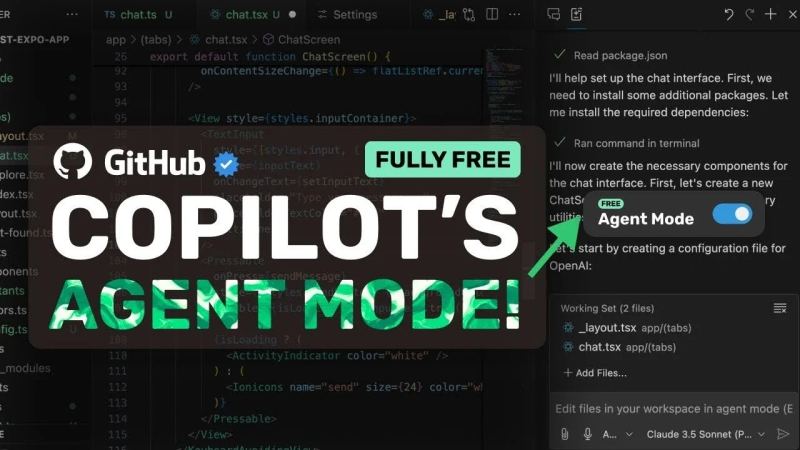
GitHub Copilot app GA says coding agents need a desktop control plane, not just an editor sidebar
GitHub's June 17 general release of the Copilot app turns coding agents into a managed desktop workflow with sessions, worktrees, pull requests, and validation loops. That suggests the software market is moving beyond chat-in-the-IDE toward a control plane for parallel AI development work.
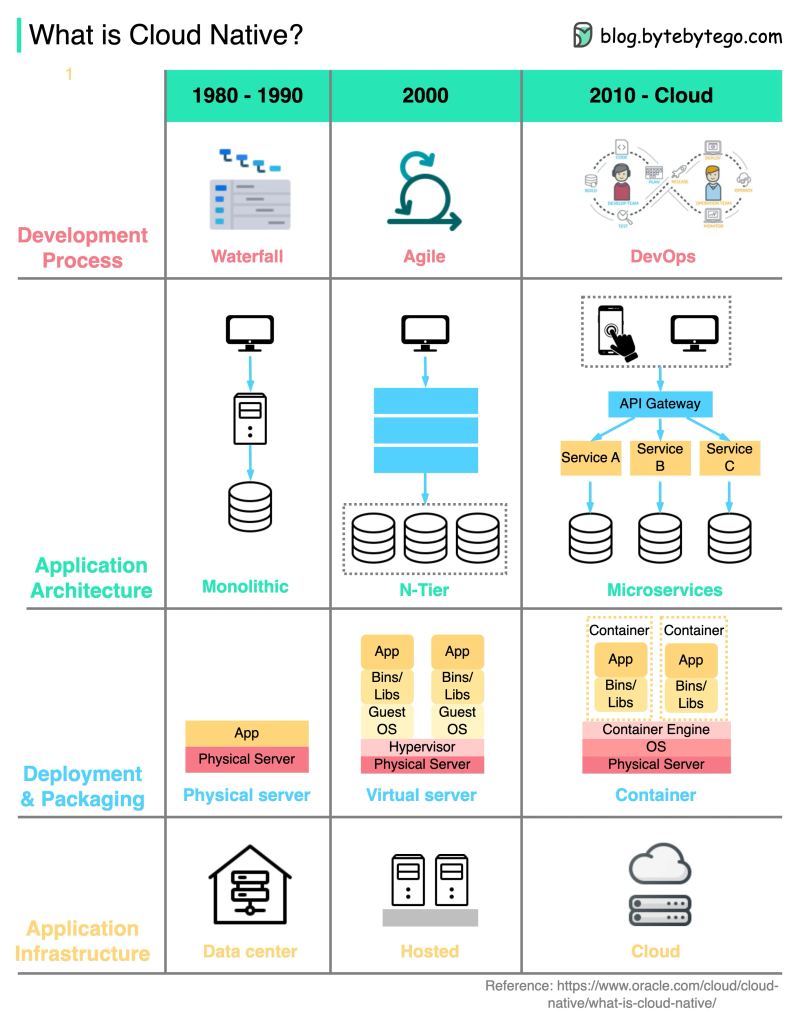
Renesas' Pictorus acquisition says industrial software value is moving toward cloud-native control and model-based embedded development, not board-level tooling alone
Renesas' June 18, 2026 acquisition of Pictorus shows that embedded vendors increasingly want software layers that let engineers model, deploy, and update machine behavior through modern cloud workflows instead of treating firmware development as an isolated specialist domain.

Google's dual-chip TPU 8t and 8i strategy says AI hardware is splitting into specialized training and inference factories, not one general-purpose race
Google's 2026 TPU message argues that frontier AI infrastructure is no longer about one chip family doing everything; it is about separating pretraining and inference economics into distinct hardware lanes tied to agent-scale workloads and massive capital spending.

Xbox's X25 anniversary hardware says gaming platforms still need emotional hardware moments even as subscriptions and cloud access keep expanding
Xbox's June 7, 2026 X25 anniversary hardware drop shows that even in a subscription-heavy era, platform owners still use limited-edition devices to reinforce identity, fandom, and ecosystem gravity.
Vercel's eve launch says developer software is becoming a production framework for agents, not just a kit of model wrappers
Vercel's June 17, 2026 eve launch suggests the software stack around agents is moving from ad hoc orchestration code toward opinionated production frameworks with durable execution built in.

OpenAI's rare-disease reanalysis result says the next serious healthcare AI win is not first-pass diagnosis, but scaling expert re-review of hard unsolved cases
OpenAI's June 18, 2026 rare-disease study with Boston Children's and NEJM AI suggests frontier reasoning models may create the most immediate clinical value by helping experts reopen old genomic dead ends at scale.

Nintendo's June Direct says platform strategy still runs on exclusive content density and a visible hardware identity
Nintendo's June 10, 2026 Direct for Switch 2 and Switch showed the company leaning on exclusive tentpoles, upgraded legacy franchises, and clear hardware-specific differentiation to make Switch 2 feel like a platform event rather than a simple spec refresh.

GitHub's Copilot app going generally available says developer software is becoming an agent control surface, not just an editor assistant
GitHub's June 17, 2026 general availability move for the Copilot app, combined with its agent-app rollout, signals that software tooling is reorganizing around supervising many agents, workflows, and worktrees instead of chatting with one assistant at a time.

OpenAI's AI chemist result says frontier models are starting to matter when science becomes a closed-loop workflow, not just a literature shortcut
OpenAI's June 17, 2026 medicinal-chemistry result with Molecule.one suggests the next serious AI benchmark is not a cleaner test score, but whether a model can move from literature review to validated experimental improvement inside a real lab loop.
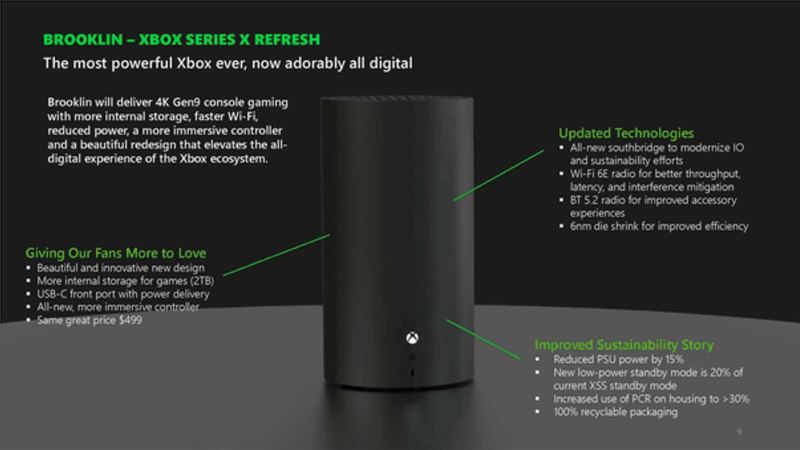
Xbox's latest reset memo says gaming platform power still hinges on exclusives and hardware identity, even when the hardware economics are getting ugly
Xbox's June 10 reset message and its June 7 showcase recap suggest the company is trying to rebuild platform identity around annual signature exclusives and anniversary hardware while confronting a severe component-cost squeeze.
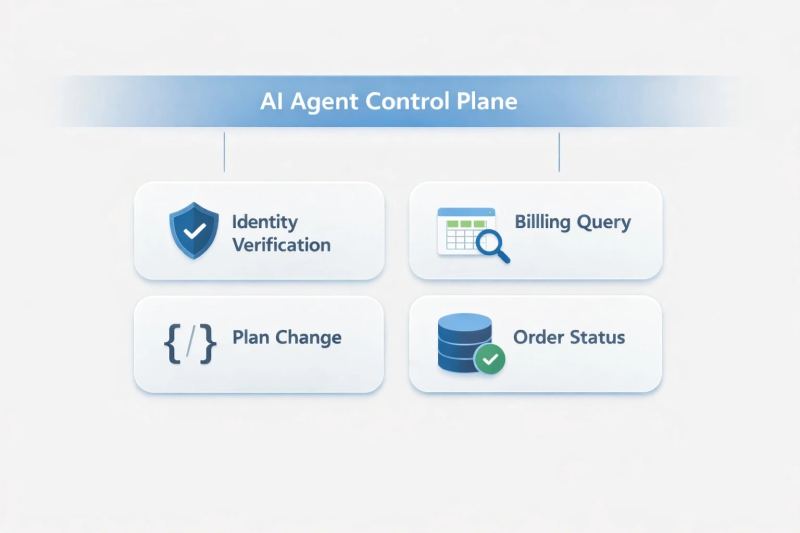
GitHub's newest Copilot surfaces say software development is becoming an agent control-plane business, not an editor extension business
GitHub's June Copilot app preview and its new agent apps framework suggest developer software is reorganizing around orchestrating, inspecting, and governing many agents across repos instead of chatting with one assistant at a time.
OpenAI's deployment simulation push says the next AI race is about realistic safety forecasting, not cleaner benchmark theater
OpenAI's June 16 deployment-simulation research suggests frontier labs now need production-like safety forecasting that can predict real behavior before release, especially as agentic systems get harder to evaluate with static tests.

Xbox's Gears of War: E-Day push says the platform reset now depends on exclusives with event-scale identity
Xbox's June showcase and Gears of War: E-Day direct suggest the brand is leaning back into exclusives, franchise history, and major-event presentation to sharpen platform identity again.
GitHub's Copilot app says agent software is escaping the IDE and becoming a desktop control plane
GitHub's June preview expansion for the Copilot app suggests software development is reorganizing around multi-session agent orchestration, persistent task state, and pull-request-native control instead of isolated chat panes.

Destiny 2's final live-service update says even giant forever games now need a graceful legacy phase, not endless escalation
Bungie's June 9 Monument of Triumph update and May 21 end-of-live-service announcement show the live-service model maturing into a harder question: how major games preserve value after growth stops.
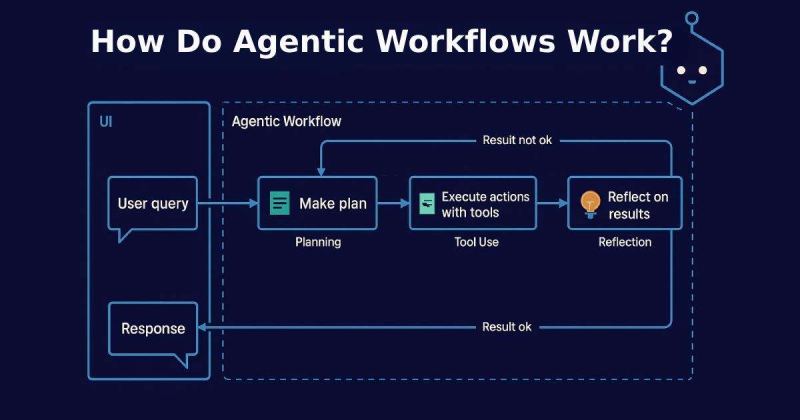
GitHub's Agentic Workflows preview says software teams want governed autonomous work, not just smarter coding chats
GitHub's June 11 public preview of Agentic Workflows, combined with new context-window and reasoning controls, shows enterprise software moving toward managed fleets of coding agents inside existing CI policy boundaries.
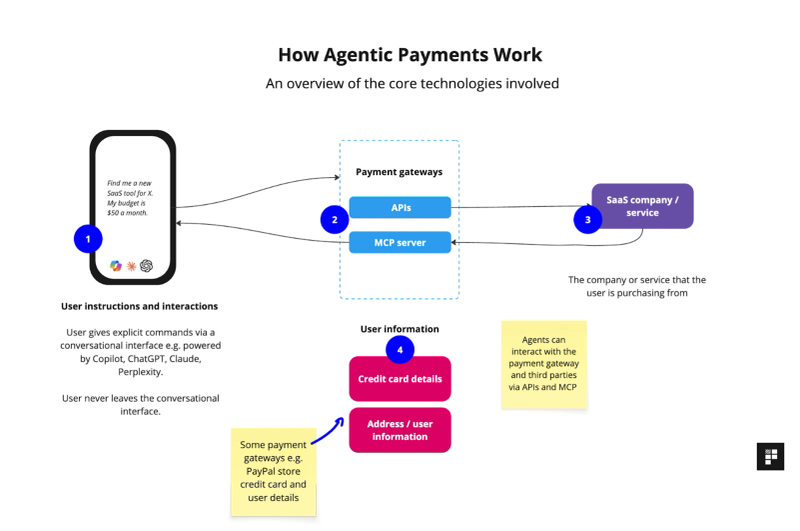
Mastercard's live European agentic payment says fintech has moved from AI checkout theory into production trust rails
Mastercard, ING, and Worldline's June 2 production transaction suggests agentic commerce will be won by payment networks and banks that can make AI-initiated purchases visible, governable, and reversible at scale.

Nintendo's June Direct says Switch 2 momentum now depends on third-party gravity, not only first-party nostalgia
Nintendo's June 9 Direct packed Switch 2 with marquee reveals like Kingdom Hearts IV, Ocarina of Time, Xenoblade Genesis, and Duskbloods, signaling a platform strategy built on broader software gravity rather than nostalgia alone.