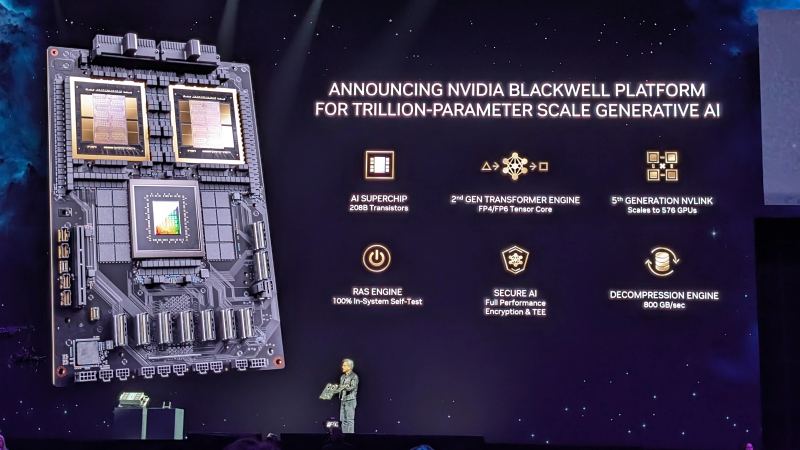
NVIDIA's new AI-factory financing model says the hardware race is shifting from chip supply to monetized capacity partnerships
NVIDIA's July 1 revenue-sharing and credit-support model for AI clouds matters because it turns accelerated compute into a financing product as well as a hardware sale, showing that the next infrastructure bottleneck is not only manufacturing more chips but funding and activating enough token-generating capacity quickly.
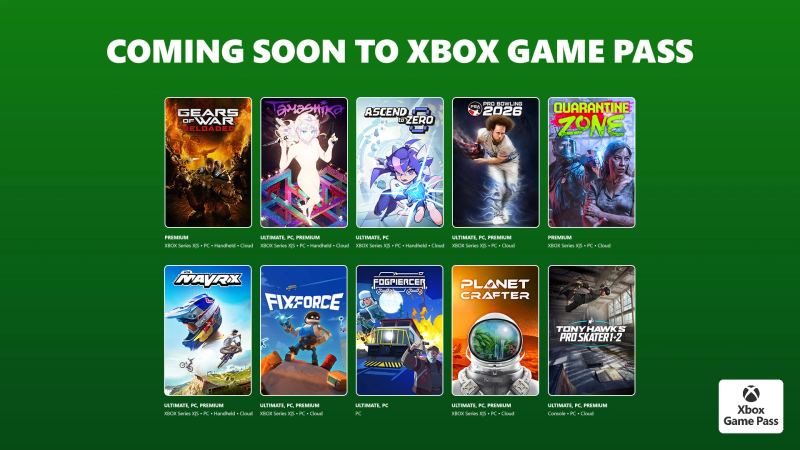
Palworld 1.0 hitting Game Pass says subscription gaming still wins when breakout indies become platform moments
Palworld's full release arriving inside Xbox Game Pass matters because it turns a once-chaotic viral hit into a retention and catalog-strength event for Microsoft's subscription strategy, pairing a major 1.0 milestone with a service bundle that also leans on remasters and steady release cadence.
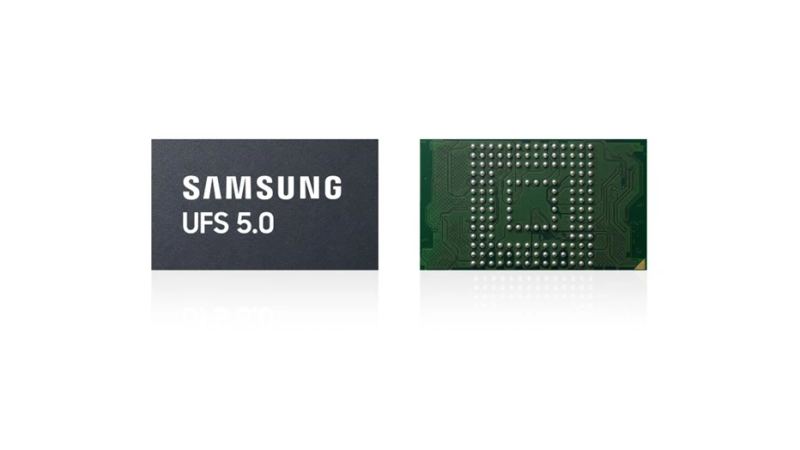
Samsung's UFS 5.0 shows the on-device AI race is becoming a storage race, not just a model race
Samsung's new UFS 5.0 matters because it treats mobile storage as active AI infrastructure, promising the bandwidth, efficiency, and package size needed to keep larger on-device models responsive across phones, wearables, and XR hardware.

PayPal joining the EPC says the next fintech battleground is standards power, not just checkout share
PayPal's entry into the European Payments Council matters because it gives the company a direct role in the rulemaking conversations around interoperability, instant payments, fraud prevention, and resilience that shape how European payment infrastructure evolves.

Assassin's Creed Black Flag Resynced says big publishers want remasters to land like premium platform events, not nostalgia filler
Ubisoft's July 9 Black Flag Resynced launch matters because it treats a remaster as a major cross-platform release with new content, upgraded systems, and full franchise staging, showing how publishers now use remakes and remasters to refresh brand power without presenting them as low-effort catalog recycling.
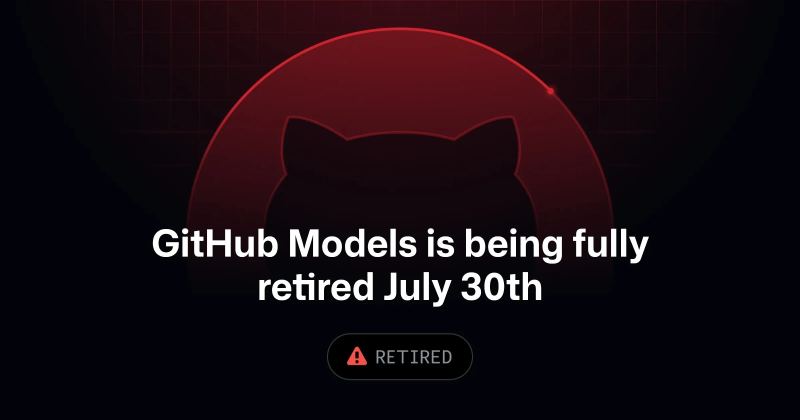
GitHub retiring GitHub Models says developer AI platforms are consolidating around workflow ownership, not model catalogs
GitHub's decision to fully retire GitHub Models by July 30 matters because it signals that broad model catalogs are not enough strategic glue on their own, and that software vendors now want AI value to live inside coding workflows and adjacent platform control points instead.

NVIDIA's RTX Spark push says the AI PC race is shifting from cloud copilots to agent-native local compute
NVIDIA's RTX Spark strategy matters because it reframes the next PC cycle around on-device agents, large local models, and unified memory rather than around thin client access to cloud AI, pushing hardware back into the center of the personal AI story.
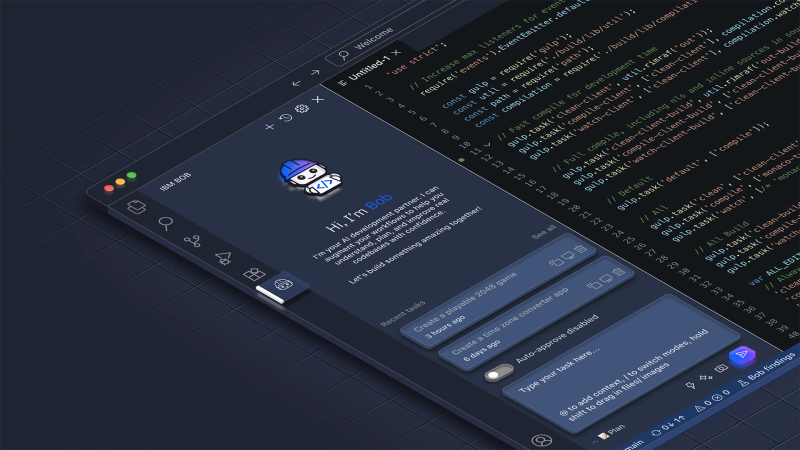
IBM's Bob upgrades say enterprise AI is moving from code autocomplete to governed multi-agent delivery systems
IBM's July 9 Bob release matters because it treats AI software development as an orchestration, audit, and cost-control problem rather than a single-chat coding problem, pushing enterprise buyers toward agent systems that can manage real modernization work across legacy estates.

NATO's Triton expansion says allied drone spending is shifting toward persistent maritime awareness and Arctic surveillance at alliance scale
Denmark, Finland, Germany, and Norway have moved to procure up to five MQ-4C Triton aircraft for NATO's ISR force, adding long-endurance maritime surveillance capacity and showing how drone procurement is becoming a coalition-level sensor strategy rather than just a national platform decision.

Anthropic's RSP 3.4 update shows frontier AI governance is becoming a reporting and review discipline, not just a model-launch slogan
Anthropic's July 8 Responsible Scaling Policy update tightens how the company defines automated R&D risk and how broadly unredacted risk reports must circulate inside the company, signaling that frontier-model governance is shifting toward operational process design.
GitHub's new repository overview feature says developer software is becoming an always-on orientation layer, not just a coding assistant
GitHub's July 9 Copilot update matters because it pushes AI deeper into the first minutes of repository discovery, turning software tooling into a context engine before a developer writes a single line.
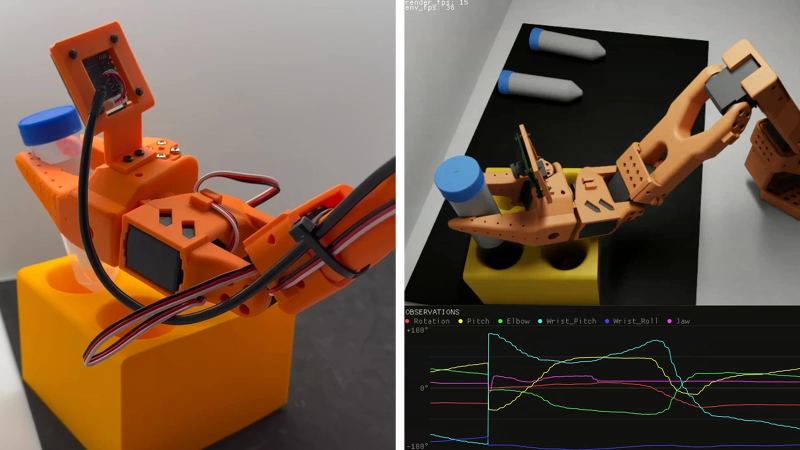
NVIDIA's LeRobot push shows robotics is racing toward open training pipelines, not just closed humanoid demos
NVIDIA's latest Hugging Face partnership matters because it turns physical-AI development into a more open workflow for datasets, teleoperation, training, and evaluation, which could reshape who gets to build useful robotics systems at speed.
Microsoft Build 2026 shows software platforms now want to own the full agent workflow from laptop shell to enterprise context
Microsoft's Build 2026 announcements matter because they connect Work IQ, local agent tooling, Windows developer features, and cloud orchestration into a single platform thesis: the next software winners will package agents as an operating layer, not as isolated copilots.
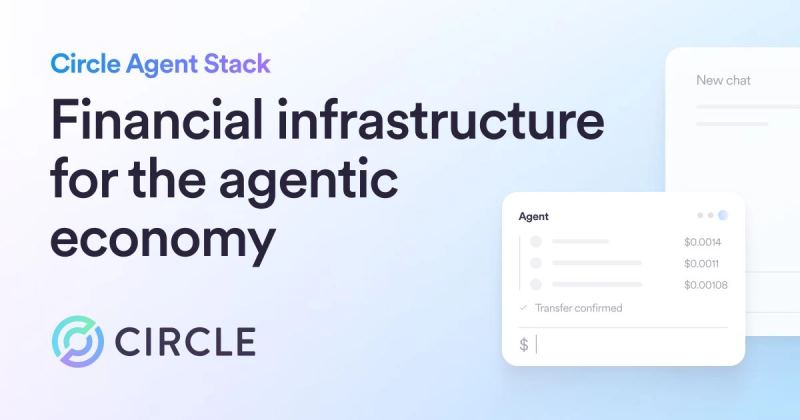
Circle's Agent Stack shows crypto rails are chasing agent-to-agent commerce now, not just another speculative token cycle
Circle's Agent Stack matters because it packages wallets, payments, service discovery, and programmable USDC flows into a practical toolkit for autonomous software, which is a more concrete crypto narrative than broad claims about onchain finance changing everything.
npm v12 makes safer installs the default and forces JavaScript teams to say what they actually trust
GitHub's npm v12 rollout matters because it flips install-time execution and dependency retrieval from permissive defaults to explicit opt-ins, which could meaningfully change how JavaScript organizations secure builds, CI pipelines, and automated publishing.
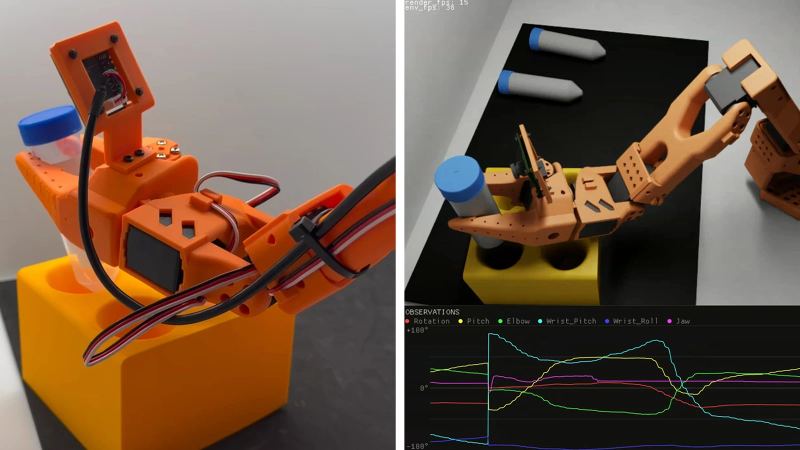
NVIDIA and Hugging Face are trying to make open robotics move at open-source software speed
The latest LeRobot integrations matter because they bring NVIDIA's GR00T and Isaac tooling into a more open robotics workflow, narrowing one of the biggest gaps in physical AI: shared models may be moving fast, but shared robot development has still been expensive and fragmented.

Google turns ISTE into a live test of whether Gemini can become classroom infrastructure instead of just another chatbot
Google's latest education push matters because it ties Gemini directly to classroom context, study workflows, and district AI readiness, which is a more serious attempt to make generative AI part of everyday school operations rather than a novelty layer on top.
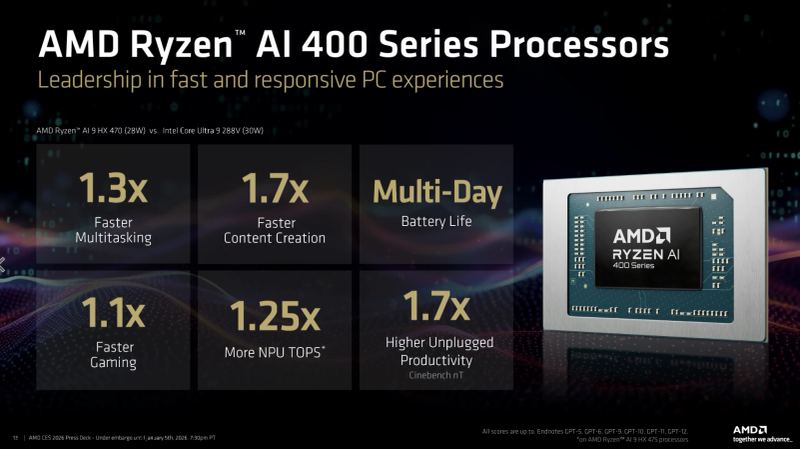
AMD's Ryzen AI developer platform says local AI hardware is becoming a real build environment, not just an NPU marketing label
AMD's July 6 Ryzen AI developer platform launch matters because it packages Linux-first tooling, local model workflows, and workstation-class memory into a product aimed at actual developers instead of generic AI-PC buyers.

Coinbase's UK MiFID approval shows fintech platforms want to collapse crypto, equities, and derivatives into one regulated account
Coinbase's July 7 UK MiFID announcement matters because it expands the company's "everything exchange" plan from crypto access into a broader regulated trading stack where payments, savings, derivatives, and equities live behind one login.
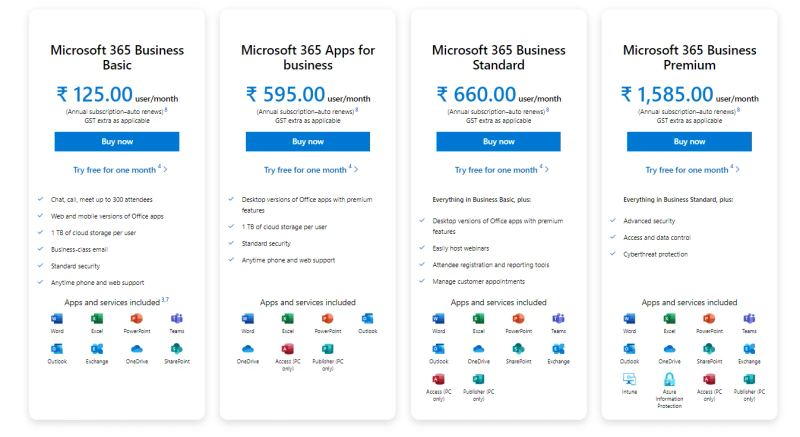
Microsoft's Xbox reset shows gaming's next platform battle is as much about creative focus as subscription scale
Microsoft Gaming's July 2 restructuring message matters because it pairs layoffs and project cancellations with a sharper demand for clearer priorities, revealing how expensive modern game portfolios have become even inside a platform giant with major subscription reach.
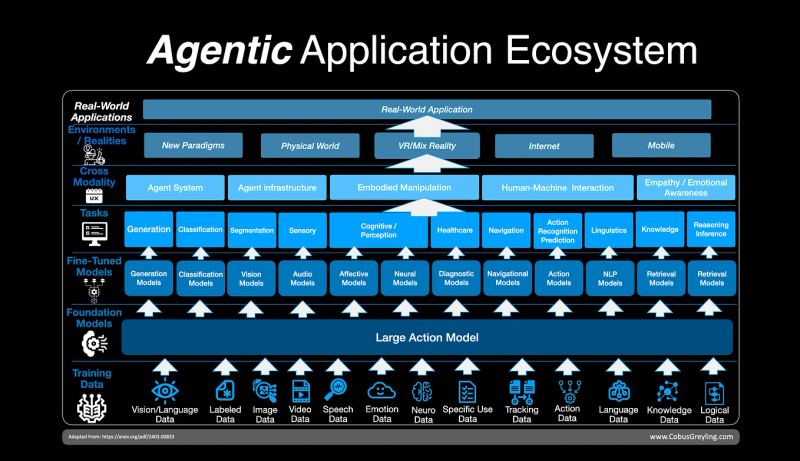
Qualcomm's Dragonfly roadmap says the next hardware fight is over efficient agentic AI infrastructure, not only giant GPU clusters
Qualcomm's June 24 Dragonfly launch matters because it reframes data-center AI competition around power efficiency, tokens-per-watt, and rack-level inference economics instead of only the biggest training stacks.
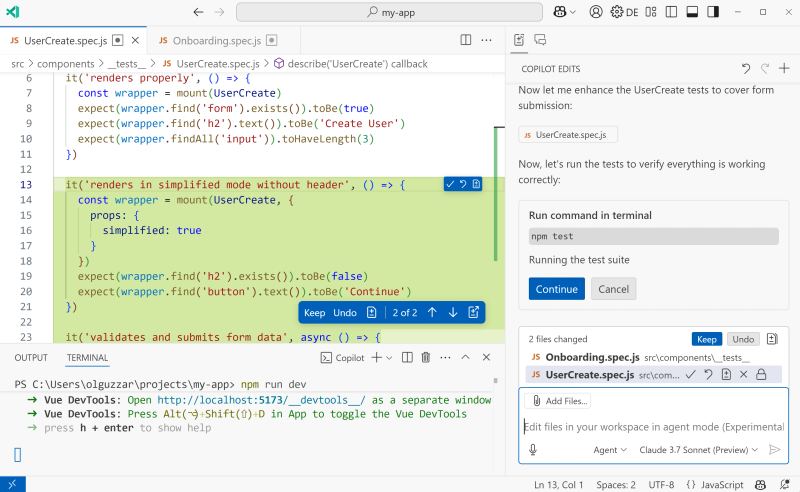
GitHub making browser tools generally available says coding agents are graduating from autocomplete to full-stack software verification
GitHub's July 1 general availability release for browser tools in VS Code matters because it gives Copilot agents a real browser, screenshots, console access, and policy controls that push agentic development from code generation toward end-to-end testing loops.

Samsung and KDDI's 5G trial says the next hardware edge in telecom is cell-by-cell AI tuning, not just bigger radios
Samsung's latest Japan trial with KDDI matters because it suggests real network gains now depend on AI software that can tune each cell individually on live infrastructure rather than relying on broader cluster-level presets alone.
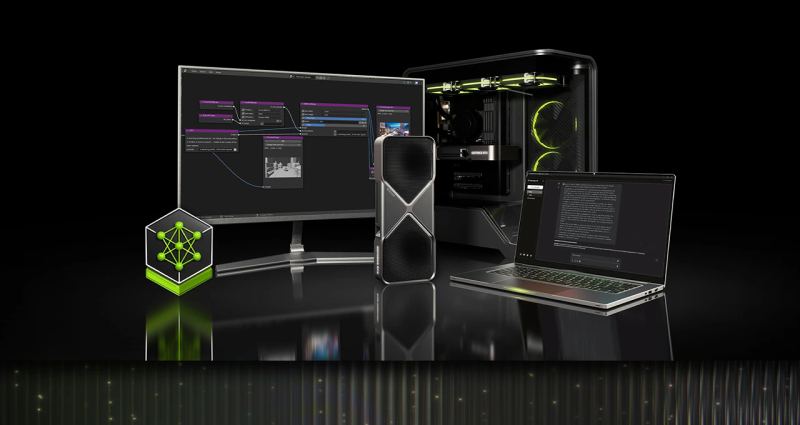
NVIDIA and Microsoft are turning AI hardware into a local agent workstation category with RTX Spark
The RTX Spark and Surface RTX Spark Dev Box launches matter because they reposition AI PCs from light inference gadgets into developer-grade machines meant to keep more models, data, and agent workflows on the desk instead of in the cloud.