
Glow emerging from stealth at a $1.2 billion valuation shows enterprise software security shifting toward controlling AI agents before they run on employee devices
TechCrunch reports that Glow has emerged from stealth with an endpoint security platform aimed at software, AI agents, and developer tools running across enterprise devices.
OpenAI positioning GPT-Red as a self-improving robustness layer shows frontier model labs shifting from one-off evaluations toward continuously adaptive safety systems that can probe, learn, and harden production models at operational speed
OpenAI says GPT-Red can improve its own attack success rate against target models while surfacing failure patterns humans can use for remediation, pointing to a more automated safety engineering stack around future model launches.
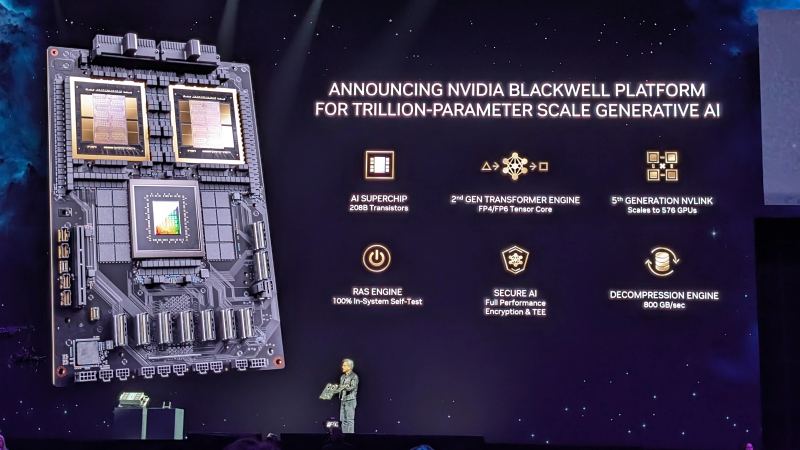
NVIDIA's new AI-factory financing model says the hardware race is shifting from chip supply to monetized capacity partnerships
NVIDIA's July 1 revenue-sharing and credit-support model for AI clouds matters because it turns accelerated compute into a financing product as well as a hardware sale, showing that the next infrastructure bottleneck is not only manufacturing more chips but funding and activating enough token-generating capacity quickly.
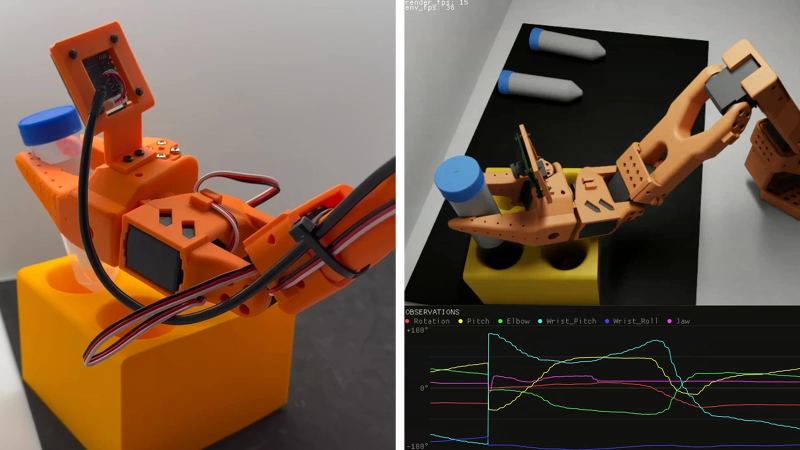
NVIDIA's LeRobot push shows robotics is racing toward open training pipelines, not just closed humanoid demos
NVIDIA's latest Hugging Face partnership matters because it turns physical-AI development into a more open workflow for datasets, teleoperation, training, and evaluation, which could reshape who gets to build useful robotics systems at speed.

Coinbase and Spiko are trying to make tokenized cash funds behave like 24/7 crypto-native liquidity
Coinbase and Spiko's June 30, 2026 launch matters because it connects regulated money-market fund access with stablecoin funding rails, pushing treasury products closer to always-open onchain liquidity instead of banking-hour settlement.

Coinbase's pre-IPO perpetuals show crypto exchanges pushing into private-market price discovery
Coinbase's June derivatives push suggests the next phase of crypto-market structure is about packaging scarce private-asset exposure into always-on, token-settled trading rails.

Coinbase's Everything Exchange push says crypto platforms want to own the full financial account
Coinbase's June product push around stocks, pre-IPOs, direct deposit, and its "Everything Exchange" vision shows crypto platforms trying to become full-spectrum financial operating systems rather than single-purpose trading venues.

Coinbase's SpaceX pre-IPO perp says crypto exchanges want to tokenize private-market exposure before Wall Street opens the door
Coinbase's June 3 launch of a SpaceX pre-IPO perpetual future shows crypto platforms trying to pull private-company speculation onto 24/7 stablecoin rails long before traditional brokerages can productize it.

Coinbase's June product wave says crypto exchanges want to become full financial operating systems, not just trading venues
Coinbase's June 2026 launches show a widening ambition: bundle tokenized stocks, pre-IPO perpetuals, stablecoin payments, and agent-ready web payments into one account layer so crypto infrastructure becomes a broader financial interface.

God of War Laufey says Sony thinks franchise longevity now depends on widening myth and point of view, not repeating Kratos
Sony's June 2, 2026 reveal of God of War Laufey reframes one of PlayStation's core franchises around Faye, signaling that prestige action series are increasingly being extended through character perspective shifts instead of simple sequel escalation.
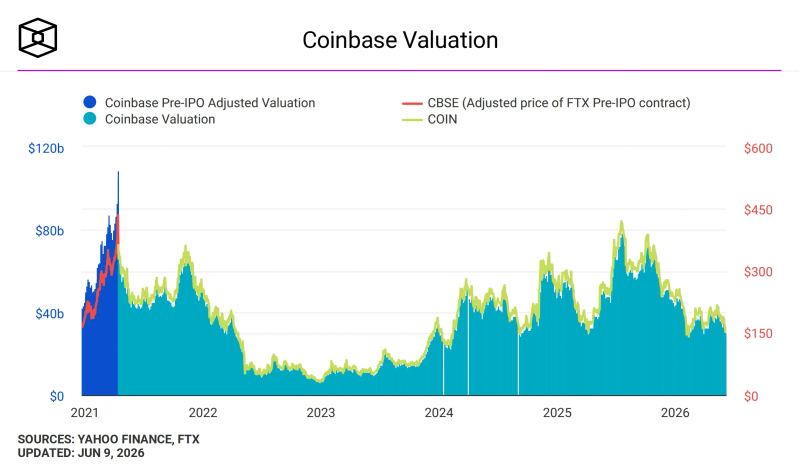
Coinbase's pre-IPO perpetual futures push says crypto exchanges want to become the place where private-market speculation, global derivatives, and regulated access converge
Coinbase is extending crypto market structure into adjacent asset classes, using perpetual-style instruments and regulated derivatives access to widen what onchain-native trading venues can become.
OpenAI's latest policy push says frontier AI competition is becoming an institution-building race
OpenAI's June 3, 2026 blueprint for democratic governance matters because it reframes frontier AI advantage around federal safety institutions, evaluation pathways, and deployment credibility rather than raw model bravado alone.
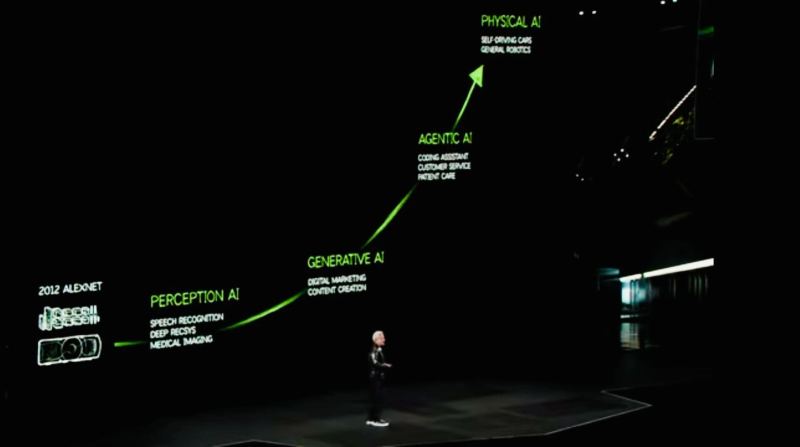
NVIDIA's new physical AI agent skills say robotics progress now depends on workflow scale, not isolated demos
NVIDIA's June 3, 2026 physical AI research push matters because it turns robotics development into a data-generation, simulation, policy-training, and evaluation pipeline that agents can help orchestrate end to end.
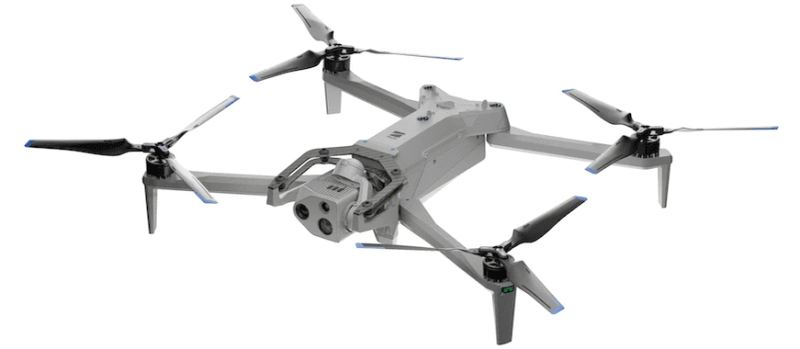
Skydio's X10D Air Force expansion says military drone adoption is shifting from trials into repeat procurement
Skydio's follow-on X10D award for Air Force EOD units shows drone autonomy becoming a recurring operational purchase instead of a one-off evaluation.

Anthropic's Series H says frontier AI is becoming a capital-and-distribution war, not just a model race
Anthropic's late-May 2026 Series H matters because a $65 billion raise at a $965 billion post-money valuation turns the next phase of AI competition into a fight over compute access, enterprise distribution, and balance-sheet endurance.
Anthropic's $65 billion Series H resets the economics of frontier AI deployment
Anthropic's May 28, 2026 Series H did more than set a valuation record. It showed that frontier AI competition is now being priced around deployment demand, compute access, and the ability to turn model adoption into durable enterprise systems.
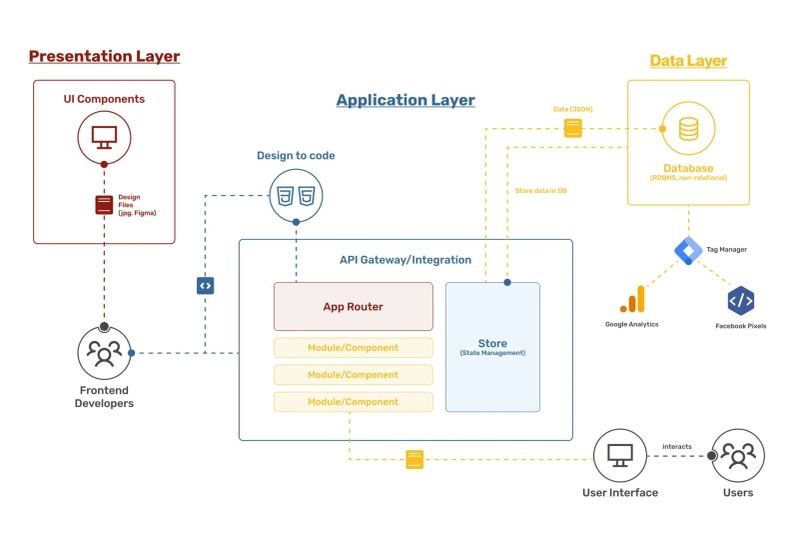
Reactor's funding launch says software's next platform layer may sit between world models and developers
Reactor's May 28, 2026 debut matters because it argues real-time generative video and world models need a dedicated serving and developer platform before they become a usable software category.

WIRobotics' $68 million round says humanoid robotics is moving through wearable data first
WIRobotics' KRW 95 billion Series B shows a robotics path where commercial wearable robots generate the movement data and control expertise needed for later humanoid systems.
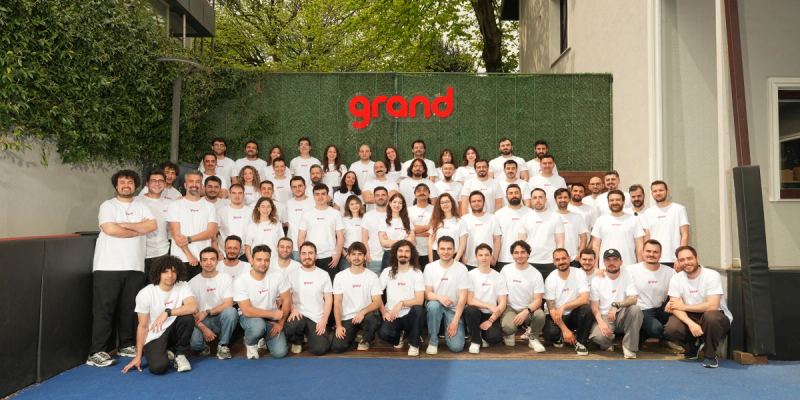
Gaming's May deal flow says the business is moving from hit releases to intelligence, funding, and installed-base leverage
Sensor Tower's move on AppMagic, Grand Games' $70 million round, and Switch 2's early installed-base momentum point to a gaming market where data, capital discipline, and platform scale are becoming as important as the next hit launch.
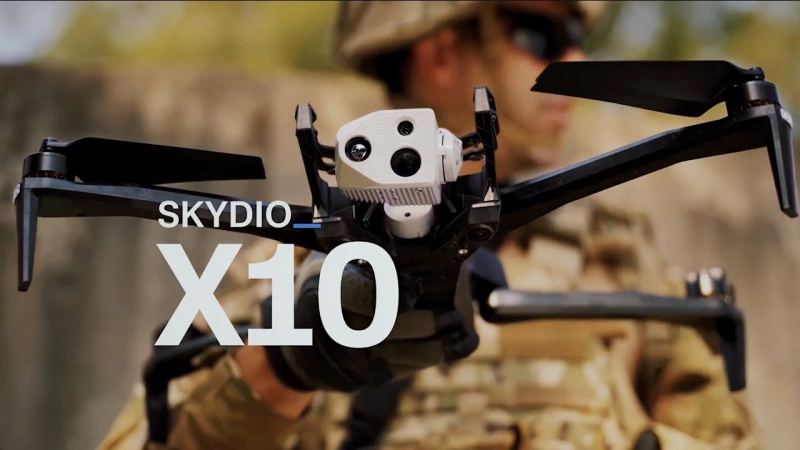
Skydio's manufacturing push says the drone market is becoming an industrial-capacity race
Skydio's $3.5 billion domestic expansion plan and fresh Series F funding show that autonomous drone competition is shifting from clever demos toward scale, supply chains, and national industrial positioning.

CAISI's new frontier model deals put pre-release AI testing closer to deployment
NIST's Center for AI Standards and Innovation signed expanded agreements with Google DeepMind, Microsoft and xAI, turning government model evaluation into a more routine pre-deployment checkpoint for frontier systems.
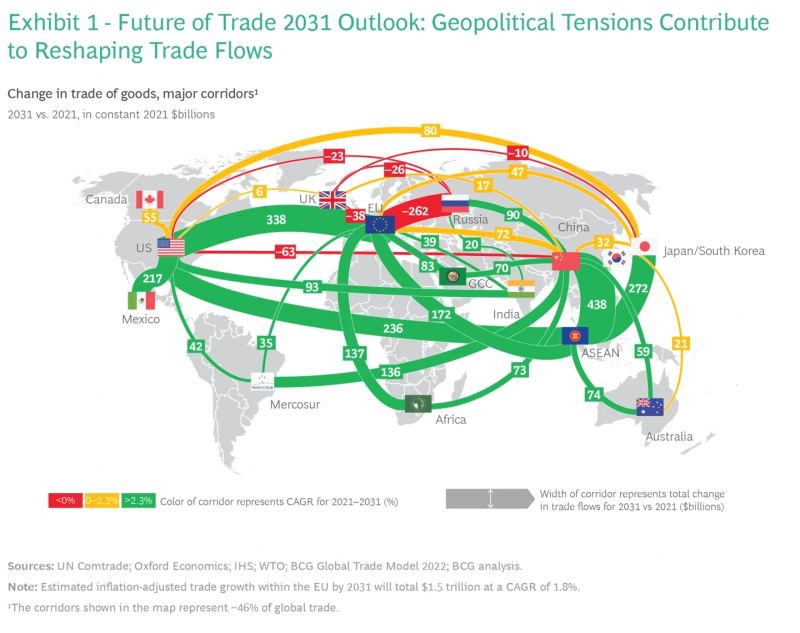
Morning Briefing: Coinbase Cuts Staff, AI Citation Wars Intensify, and Geopolitical Shocks Hit Crypto
As Coinbase trims 14% of its workforce and doubles down on AI, major exchanges compete for citation dominance while South Korea deploys regulatory trackers and Digital Asset Holdings secures a $2B valuation.

Washington's new CAISI deals turn frontier AI testing into pre-release infrastructure
The May 5 CAISI agreements matter because they shift frontier-model evaluation from an ad hoc safety ritual into something closer to critical infrastructure. When Microsoft, Google DeepMind, and xAI agree to let government testers examine unreleased systems, the AI race stops being only about launch speed and starts becoming a contest over who can prove operational trust before deployment.

Linkerbot's funding target says humanoid robotics is being repriced around the hand
Linkerbot's May 4 funding story matters because it highlights where investors now see leverage inside humanoid robotics. Instead of betting only on full-body robot makers, capital is flowing toward the dexterous hand as a scarce, high-complexity subsystem that can shape commercial readiness across the whole category.