
Gamescom and Zero Company show the next gaming cycle is already cross-platform
PlayStation's Gamescom roundup and EA's Star Wars Zero Company update are both pointing at the same thing: the next gaming cycle is built around cross-platform reach, tactical depth, and a release cadence that starts long before launch day.

PlayStation Plus August turns Helldivers 2 into the catalog headline
Sony is using Helldivers 2 and the August Game Catalog to keep PlayStation Plus looking like a must-check subscription instead of a background perk.
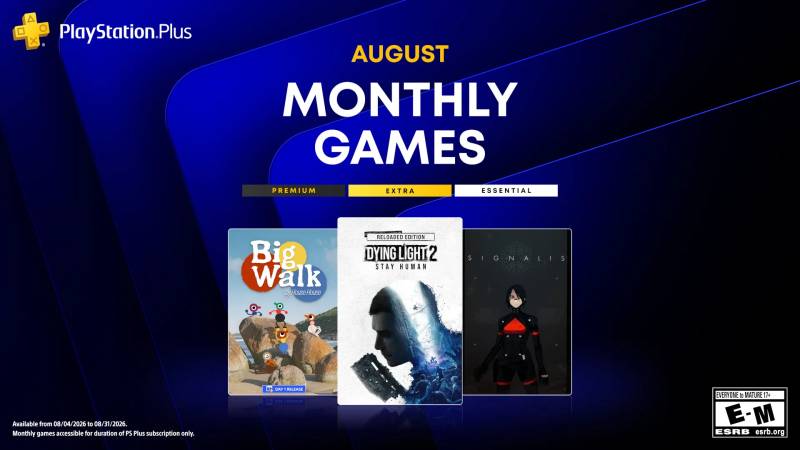
PlayStation's August Plus slate tests subscription value with three distinct moods
PlayStation Plus is using its August lineup to mix a survival-action expansion, a social puzzle game, and a psychological horror title, making curation part of the subscription product.

PlayStation’s disc decision turns game ownership into a platform strategy test
Sony’s plan to end physical-disc production for new PlayStation games in 2028 is more than a format change: it tests trust, preservation, pricing, and the value of a platform ecosystem.
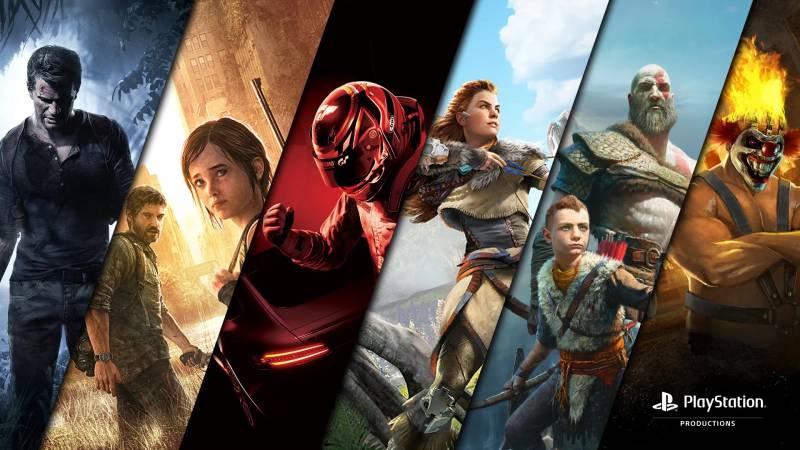
PlayStation disc cutoff turns game ownership into a platform trust test
Sony's plan to end physical-disc production for new PlayStation games in 2028 makes digital access, preservation and retailer economics part of the 2026 platform fight.
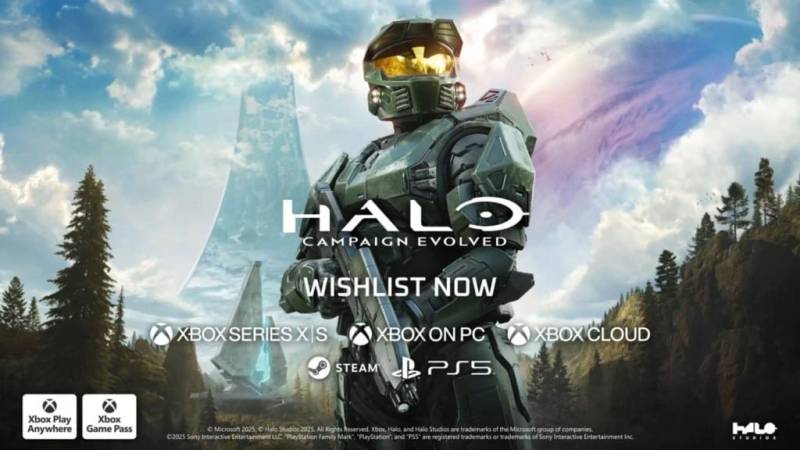
Halo's PS5 launch turns Xbox exclusivity into a distribution experiment
Halo: Campaign Evolved launches July 28 across Xbox, PC, Game Pass and PlayStation 5, making Microsoft's flagship shooter a test of multiplatform reach.
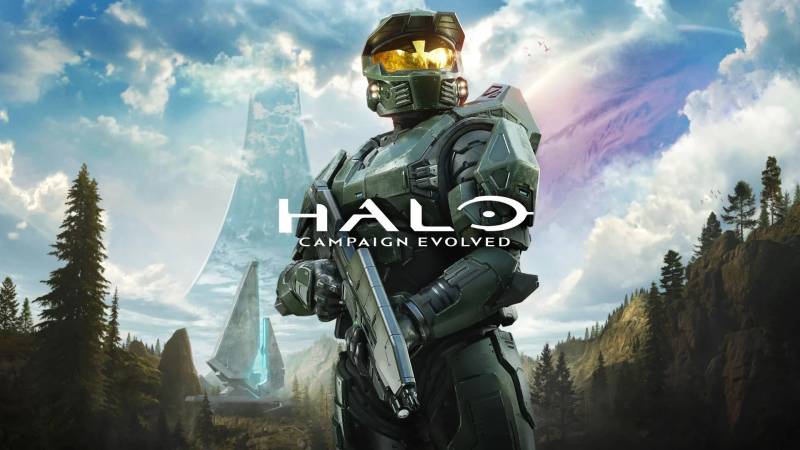
Halo: Campaign Evolved turns Xbox's oldest flagship into a cross-platform launch
Halo: Campaign Evolved began premium early access on July 23 and launches broadly July 28, putting a rebuilt Combat Evolved campaign on Xbox, PC, Steam, and PlayStation 5.

Sony's PlayStation comments about gaming beyond the living room sharpen the industry's next hardware question: whether the console future becomes portable, digital-first, and less tied to the TV
Sony's June investor Q&A and fresh coverage of PlayStation strategy point to a platform future built around flexible play, stronger digital economics, and hardware experiences that reach beyond the traditional living-room console.

PlayStation's new July Plus catalog lineup shows the gaming platform war leaning harder on subscription curation and regional release pacing, where retention now depends less on a single marquee exclusive and more on keeping players inside a layered content habit every month
Sony's latest PlayStation Plus Game Catalog update adds titles including Avatar: Frontiers of Pandora, Rise of the Ronin and Firefighting Simulator: Ignite while also staggering some availability by region, underscoring how subscription depth and cadence are becoming central to platform strategy.

NVIDIA's Japan physical-AI push shows robotics competition moving from isolated robot demos toward shared world models, edge reasoning and coalition-scale deployment stacks that can shorten the path from simulation to real machines
NVIDIA says Japanese robotics and manufacturing leaders including FANUC, Fujitsu, Hitachi, Kawasaki, Kubota, NEC, SoftBank, Sony and Yaskawa are building on Cosmos, Isaac, Metropolis and Jetson, while the company also unveiled Cosmos 3 Edge for on-device reasoning on Thor platforms.
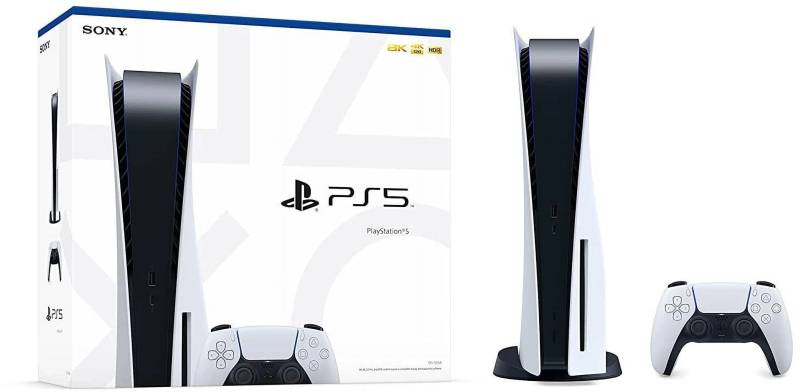
PlayStation's Summer Sale launch is a reminder that modern gaming competition is fought as much through always-on storefront economics, catalog timing, and live digital merchandising as through the release calendar of new blockbuster games
Sony says PlayStation Store's Summer Sale runs from July 15 through August 12 with discounts of up to 75 percent across hundreds of titles, underscoring how digital storefront control has become a key lever for monetizing back catalog, pre-orders, add-ons, and subscription-adjacent engagement.
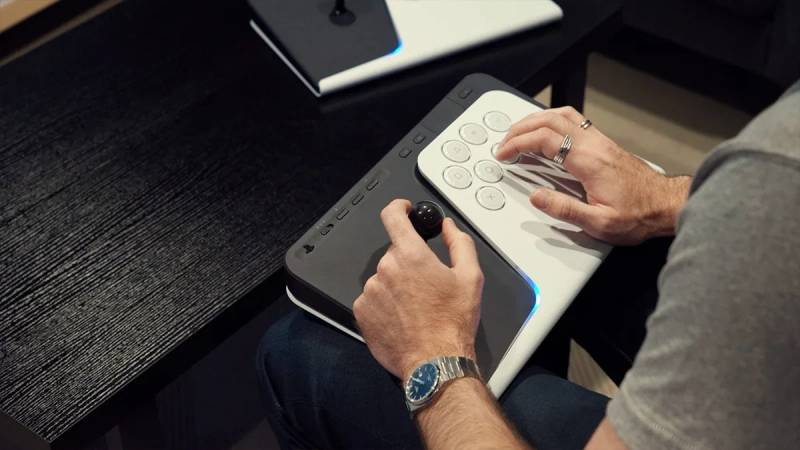
PlayStation's new fight stick, monitor, and desktop speakers say gaming platforms are now competing to own the player's whole personal setup, not just the box under the living-room television
Sony's June hardware update for FlexStrike, its 27-inch gaming monitor, and Pulse Elevate wireless speakers points to a broader platform shift: console brands increasingly want to extend their identity into desktop and personal-space play, not only the traditional living-room stack.
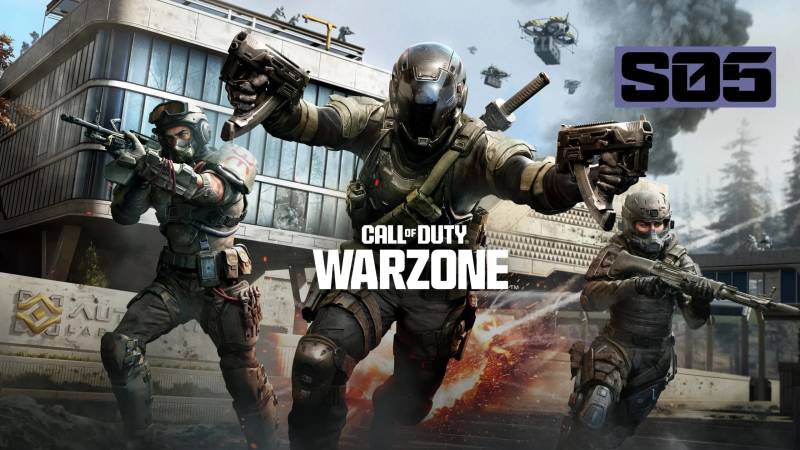
The latest Black Ops 7 and Warzone Season 5 rollout shows the games business is still doubling down on blockbuster live-service escalation where cadence, retention and content velocity matter as much as the boxed product itself
Activision's new Season 5 details point to another major live-service beat for Black Ops 7 and Warzone, with PlayStation amplifying the launch as a platform event rather than a routine patch cycle.

Sony's PS3 and PS Vita store shutdown plan shows the games business is not just going digital, it is shedding old commerce systems that no longer fit modern payment and platform economics
Sony's July 1 PlayStation Store update matters because it ties legacy-store shutdowns directly to payment-system modernization and the broader move away from physical and older platform commerce.

PlayStation ending new physical disc production in 2028 signals that the console business is moving from hybrid distribution to managed digital control
Sony's decision to stop physical disc production for new PlayStation releases starting in 2028 matters because it changes how games are distributed, merchandised, preserved, and controlled across the console ecosystem.

PlayStation's 2028 disc cutoff turns digital preference into a hard platform rule and forces the games business to plan for life after new physical media
Sony Interactive Entertainment says physical disc production for all new PlayStation releases will end in January 2028, turning a long-running consumer trend into a firm platform policy with implications for retail, preservation, pricing, and how publishers stage future launches.

The Blood of Dawnwalker says AAA-style RPG competition is shifting toward consequence-driven time systems, not just bigger maps
PlayStation's July 7 feature on The Blood of Dawnwalker matters because it frames the game around time pressure, player trade-offs, and dual day-night identity, showing where ambitious narrative RPG design is trying to differentiate next.

PlayStation's physical-disc exit plan shows gaming's next platform fight is about storefront control and digital ownership trust
Sony's July 1 decision to end physical-disc production for new PlayStation games from 2028 matters because it pushes the console market deeper into a storefront-led future where distribution control, preservation concerns, and consumer trust all become more strategic.
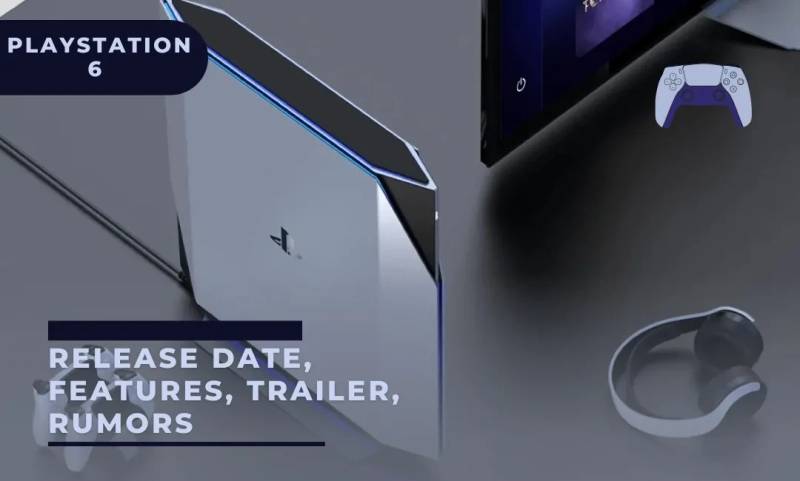
Sony putting a 2028 end date on new PlayStation discs gives gaming a real countdown to digital-only distribution
Sony's July 1 PlayStation announcement matters because it turns a long-running market trend into an explicit platform deadline, forcing publishers, retailers, and players to plan around a hard shift to digital-only new releases.
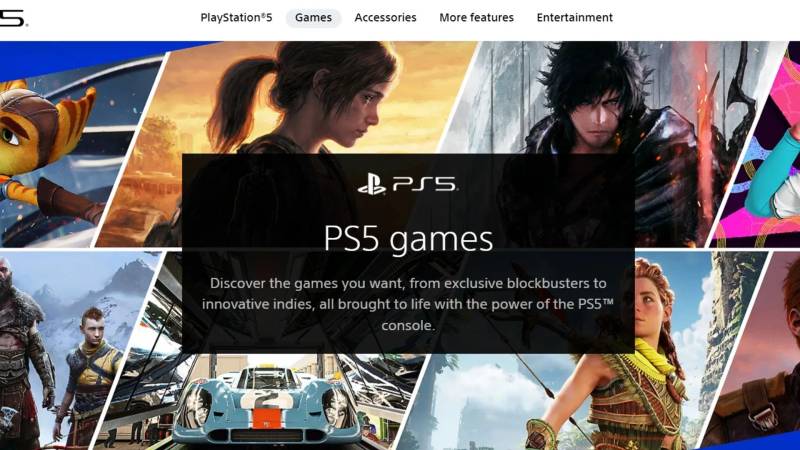
Sony's PlayStation shift toward digital-only games turns game distribution into a platform-control story, not just a format change
Sony's July 1 PlayStation announcements matter because they connect two long-tail changes at once: physical disc production for new games ends in 2028, while PS3 and PS Vita store access starts winding down sooner, tightening the company's move toward digitally managed distribution.

PlayStation's move to digital-only new releases in 2028 makes ownership anxiety a first-order gaming business issue
Sony's July 1 decision to stop producing physical discs for new PlayStation releases in 2028 matters because it turns the industry's long-running digital shift into an explicit platform rule with direct consequences for preservation, resale, and consumer trust.

Sony's PS3 and Vita store sunset says gaming's preservation problem is becoming a commerce-platform decision, not just a nostalgia debate
Sony's July 1 update matters because it sets a multi-market timetable for closing PS3 and Vita store purchases while exposing how legacy game access now depends on whether old commerce systems still justify platform support.

Dune: Awakening on PS5 matters because console publishers still think premium survival games need a clearer on-ramp, not just a bigger world
PlayStation's July 2 feature matters because it presents Dune: Awakening on PS5 as a survival game with stronger onboarding, tactile console adaptation, and a premium September 22 boxed launch.
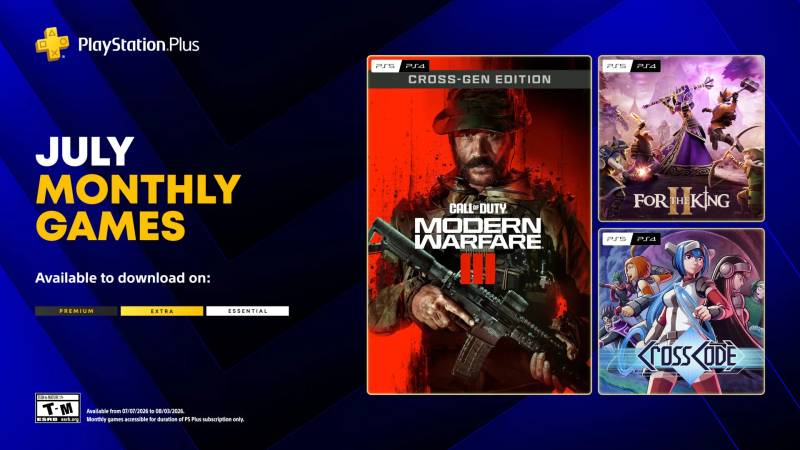
PlayStation's July Plus lineup shows subscription retention in gaming still depends on mixing blockbuster familiarity with smaller genre depth
Sony's July 1 PlayStation Plus Monthly Games reveal matters because it pairs Call of Duty: Modern Warfare III with For the King II and CrossCode, a lineup built to keep the service feeling broad rather than purely prestige-driven.