
Anthropic's reported Decart talks show the AI race moving into compute efficiency
Anthropic is reportedly discussing a roughly $6 billion purchase of Decart, a deal that would connect frontier-model demand with world-model research and software designed to make expensive AI compute run more efficiently.
Anthropic puts Canadian research back at the center of the AI pipeline
Anthropic is committing 10 million Canadian dollars to research institutions across Canada, pairing funding with a public look at how people use Claude in real work.

Claude Opus 5 makes agentic knowledge work a cost-efficiency contest
Anthropic's Claude Opus 5 launch pairs frontier-level coding and research claims with the same base price as Opus 4.8, shifting the model race toward useful work completed per dollar.

Open Secure AI Alliance turns model openness into a security tooling race
NVIDIA, the Linux Foundation, Microsoft, IBM, Hugging Face and other members are framing open AI as a defensive security layer while Anthropic argues for targeted controls instead of blanket bans.

Microsoft study shows coding agents need rollout design, not just better models
A July arXiv study of Microsoft developers using Claude Code and GitHub Copilot CLI finds adoption spreads socially and correlates with more merged pull requests, reframing AI coding agents as an organizational rollout problem.

AMD and Anthropic make Helios a real test of non-Nvidia AI scale
AMD will invest up to $5 billion in Anthropic while Anthropic plans to deploy up to 2 gigawatts of MI450 GPUs in Helios racks, giving the AI chip race a concrete frontier-lab workload.
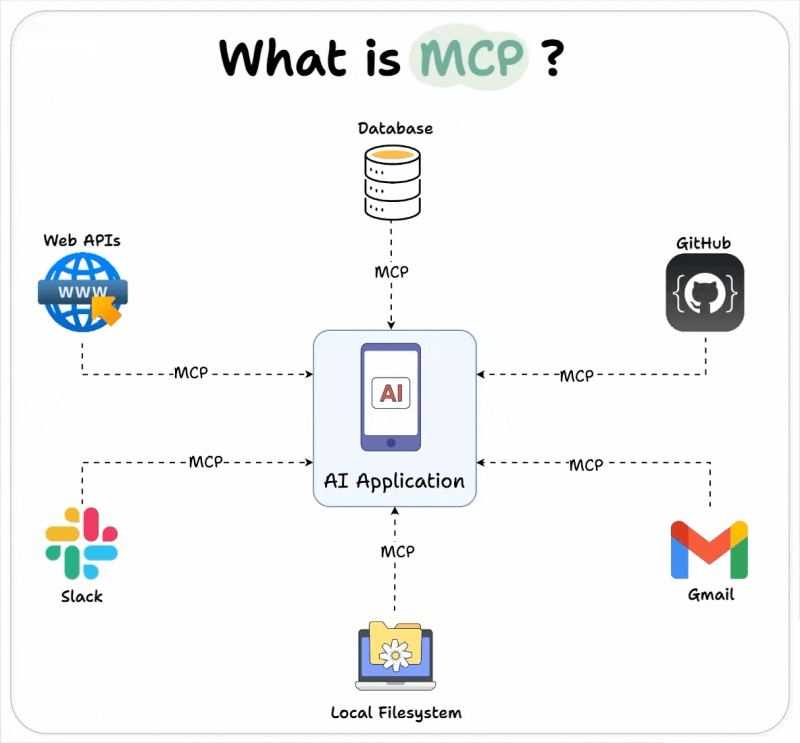
Billtrust's MCP server makes receivables data part of enterprise AI work
Billtrust is connecting live invoice-to-cash data to Claude and Microsoft Copilot through an MCP server, showing how enterprise software vendors are turning AI assistants into governed operational interfaces.
AMD's Anthropic deal makes AI hardware a financing and software ecosystem fight
Anthropic's planned deployment of up to two gigawatts of AMD Instinct MI450 systems gives AMD a marquee frontier-AI customer and a deeper ROCm test bed.

Anthropic's rumored Physical Intelligence pursuit shows frontier AI labs pushing from chat and coding agents into the harder market for robot foundation models
TechCrunch reports that a rumor about Anthropic and Physical Intelligence caught fire because AI labs are already buying their way into enterprise workflows, developer tools, and now potentially robotics.

OpenAI and Anthropic's open-model fight turns AI policy into a deployment gate
OpenAI and Anthropic are pressing Washington over Chinese open-weight models, while Nvidia's Jensen Huang argues open systems can strengthen U.S. AI influence.

Anthropic's public hard-questions campaign turns AI accountability into a product trust test as frontier labs face more pressure to show their work
Anthropic is asking the public to submit difficult questions about AI and says it will show how it addresses them, a move that turns model governance into a visible trust signal rather than a private policy exercise.

Anthropic's Canada research pledge turns Claude credits into AI policy infrastructure
Anthropic committed CAD 10 million to Canadian AI institutes, hospitals and universities, tying research credits to safety, health, science and regional AI adoption.
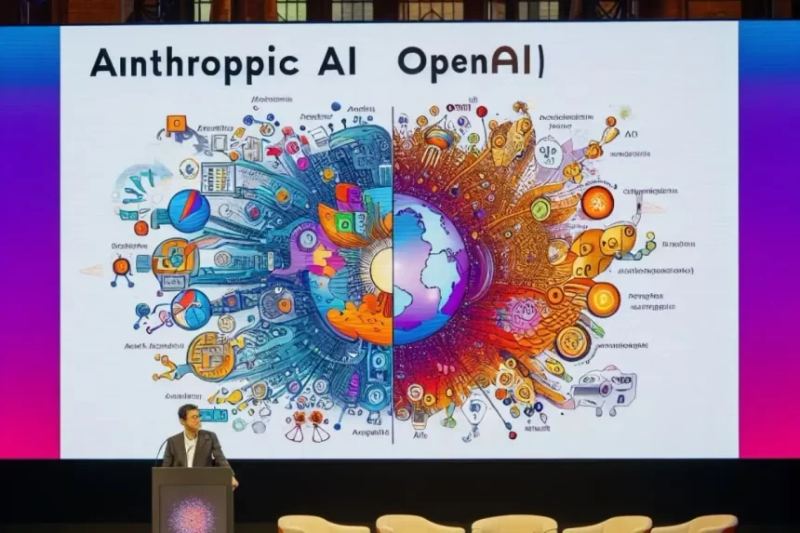
OpenAI, Google DeepMind, and Anthropic converging on frontier AI regulation turns model safety from a lab-by-lab promise into a market-access question for the next generation of powerful systems
Axios reports that Sam Altman, Demis Hassabis, and Dario Amodei now broadly agree that frontier models need outside testing and a U.S.-led governance structure, even as they differ on who should hold the final release veto.

Alberta's decision to put Claude into frontline vulnerability work shows the AI market is shifting from chatbot novelty toward trusted operational systems that can hunt software risk inside real public infrastructure
The Alberta government says Claude is now helping find and fix vulnerabilities across government systems, giving one of the clearest public-sector signals yet that frontier models are moving into real cyber operations rather than staying confined to demos and copilots.

Anthropic's Claude Science workbench shows the next AI battleground is not chat quality, but whether a model can carry serious research work with traceability intact
Anthropic's June 30 launch of Claude Science matters because it packages agentic research, scientific connectors, auditable artifacts, and elastic compute into one environment built to fit how labs already work.

Anthropic's Fable 5 return is a reminder that frontier AI competition now runs through safeguards and government trust, not just model quality
Anthropic's July 1 redeployment of Claude Fable 5 matters because it shows that export controls, jailbreak handling, and government-facing safety operations are becoming part of the product surface for frontier AI models.
Anthropic's hard-questions campaign says frontier AI labs now have to compete on public legitimacy, not just model power
Anthropic's July 9 call for the public's hardest questions about AI matters because it turns trust-building into a product and governance surface, signaling that leading labs increasingly need to show their work in public rather than treating safety and social impact as private internal narratives.

Anthropic's RSP 3.4 update shows frontier AI governance is becoming a reporting and review discipline, not just a model-launch slogan
Anthropic's July 8 Responsible Scaling Policy update tightens how the company defines automated R&D risk and how broadly unredacted risk reports must circulate inside the company, signaling that frontier-model governance is shifting toward operational process design.

Alberta using Claude for vulnerability remediation shows enterprise AI buyers now care about governed cyber output, not just model power
Anthropic's July 6 Alberta case study matters because it frames AI security work as an operational procurement story: faster vulnerability discovery, legacy modernization, and clearer governance boundaries for high-risk model use.

Anthropic's Fable 5 safeguards show frontier AI is now competing on deployable cyber boundaries, not just raw capability
Anthropic's July 2 explanation of Fable 5's cyber safeguards matters because it turns safety classifiers, jailbreak scoring, and controlled defensive use into visible product architecture for advanced AI systems.

Anthropic's Claude Science says frontier AI is now being packaged as a serious lab workbench, not only a chat assistant
Anthropic's June 30 Claude Science launch matters because it wraps model capability, scientific tools, auditable artifacts, and compute access into a product aimed directly at research workflows rather than generic conversation.
Anthropic's Fable 5 return shows frontier AI launches are now being judged as much by safeguard recovery as by raw model power
Anthropic's July 1 redeploy of Claude Fable 5 matters because it turns a frontier-model outage into a live test of whether leading labs can restore access, tighten safeguards, and keep enterprise confidence intact at the same time.
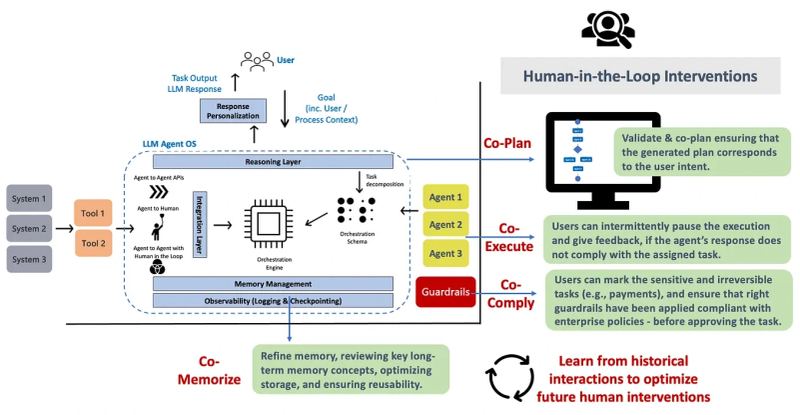
Anthropic's Claude Sonnet 5 shows the new AI middle tier is being judged by agentic reliability, not just benchmark size
Anthropic's June 30 Sonnet 5 launch matters because the practical center of the AI market is shifting toward cheaper models that can plan, use tools, and behave predictably enough to run longer supervised workflows.

Anthropic's jailbreak framework for Fable 5 says frontier AI launches now need a security policy as detailed as the model itself
Anthropic's July 2 safeguards post matters because it turns Fable 5's return into a governance story about classifier boundaries, cyber risk categories, and an industry-wide language for jailbreak severity.